Wire art is a creative and versatile form of handmade design that uses wire as the main material. Artists shape, bend, twist, and wrap wire to create everything from simple line drawings to detailed sculptures, jewelry, wall décor, and decorative objects. Because wire is flexible yet strong, it can be used for both delicate details and sturdy structures, making it a favorite material for many craft projects.
At first, wire art may look difficult, especially when you see complex sculptures or finely wrapped jewelry. However, it is also a very beginner-friendly craft when you start with basic tools and simple designs. Beginners can practice with easy shapes, small ornaments, or simple wire jewelry before moving on to more detailed wire sculptures. As your confidence grows, you can explore different wire gauges, materials, textures, and finishing techniques.
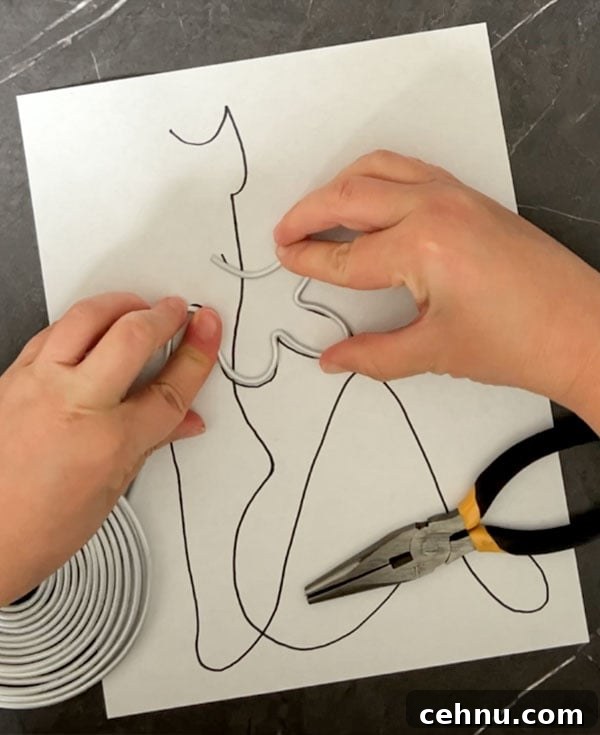
Wire Art Materials and Tools
The most common materials used in wire art are copper wire and aluminum wire. Copper wire is valued for its strength, flexibility, and attractive warm color. It is often used for jewelry, decorative accents, and sculptural work. Aluminum wire is lightweight, easy to bend, and available in many colors, making it a practical choice for beginners and larger decorative pieces.
Stainless steel, brass, and silver wire may also be used depending on the project. The best choice depends on the look you want, the level of detail in the design, and how sturdy the finished piece needs to be. For example, a small pendant may require a thinner and more flexible wire, while a standing sculpture may need a thicker wire that can hold its shape.
A good wire cutter is one of the most important tools for wire art. It helps create clean cuts and makes the working process easier and safer. Pliers are also essential. Needle-nose pliers are useful for reaching small areas, round-nose pliers help form loops and curves, and flat-nose pliers are helpful for gripping, flattening, and bending wire with control.
Another important factor is wire gauge. Gauge refers to the thickness of the wire. Thicker wire creates stronger forms and is useful for frames, bases, and structural elements. Thinner wire is better for wrapping, adding fine detail, and creating delicate patterns. Understanding gauge will help you choose the right wire for each wire art project.
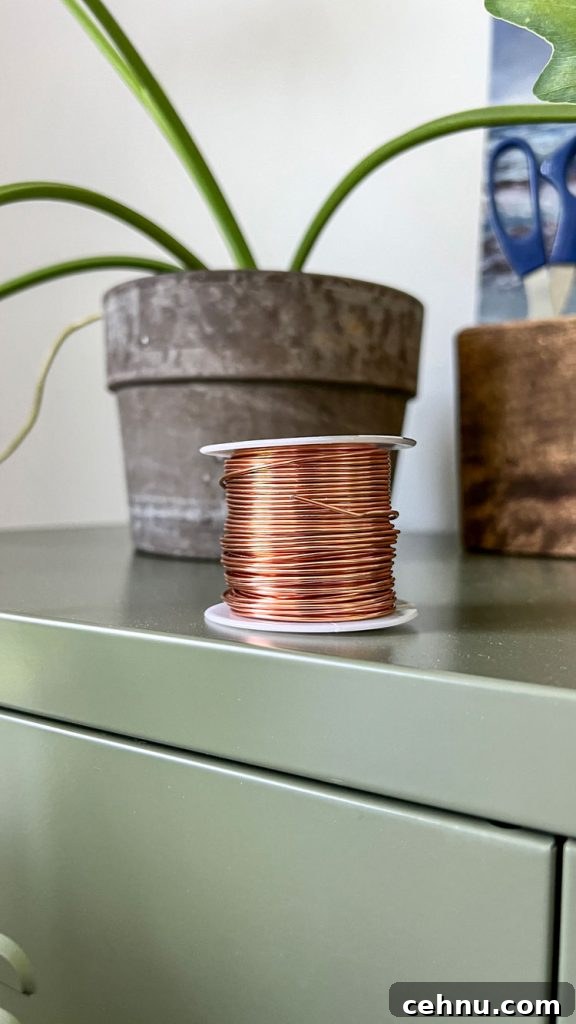
Wire Art Forms
Wire art can take many forms, from minimal line art to detailed three-dimensional sculptures. Wire sculptures are created by bending, shaping, and connecting wire into recognizable forms or abstract designs. These pieces may be simple and modern, or they may include complex details that resemble animals, people, plants, or everyday objects.
Another related form is rope-style wire art, which often uses thicker or braided wire to create bold patterns and decorative shapes. These designs can be used in home décor, accessories, and statement pieces. The texture of braided or twisted wire adds visual interest and gives the finished artwork a handcrafted look.
Many artists also use wire to create wall art, ornaments, flowers, lettering, and mixed-media pieces. Wire pairs well with beads, clay, wood, fabric, and other craft materials, which makes it easy to personalize each project. This flexibility is one reason wire art remains popular with both beginners and experienced makers.
Wire Art as Jewelry
Wire art is especially popular in handmade jewelry because it allows makers to create unique, lightweight, and expressive pieces. Earrings, pendants, bracelets, rings, and necklaces can all be made with wire. The finished designs may be simple and modern, or highly detailed with beads, stones, spirals, loops, and decorative wraps.
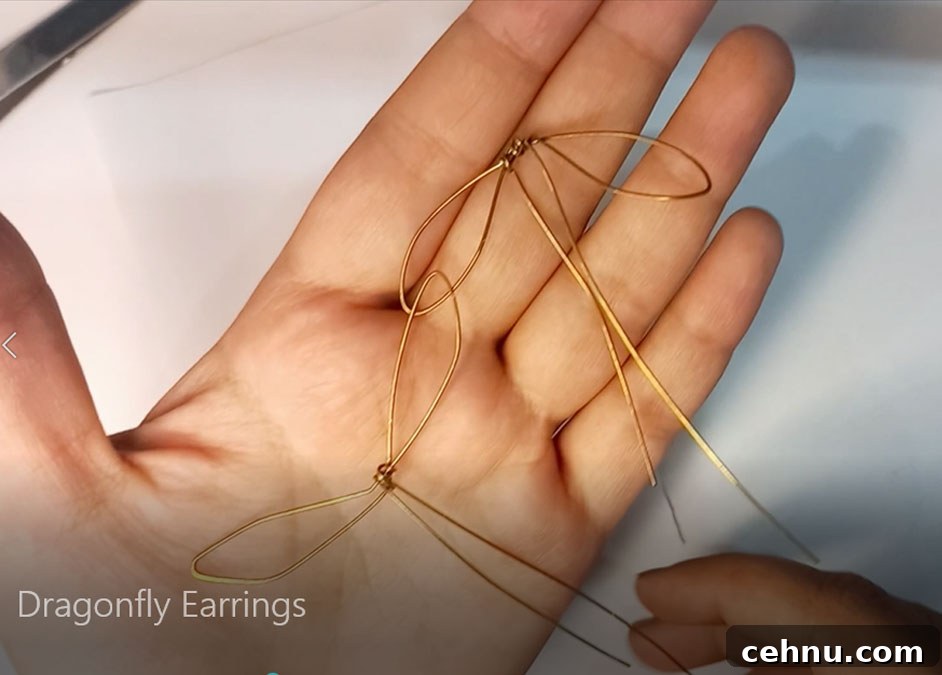
Creating Stunning Wire Jewelry
Wire jewelry can be made from copper, aluminum, silver, gold-filled wire, or other jewelry wire materials. The key to creating attractive wire jewelry is patience, careful shaping, and regular practice. It is helpful to begin with simple shapes such as circles, teardrops, leaves, spirals, and loops before trying more detailed designs.
- DIY Wire Monstera Leaf Earrings
- DIY Gold Flower Earrings
- DIY Dragonfly Pendant
One popular wire jewelry technique is wire wrapping. This method uses wire to hold, frame, or decorate beads, stones, charms, and other jewelry components. Wire wrapping can be used to make pendants, earrings, bracelets, and decorative links. It is also a useful technique because it usually does not require soldering, making it more approachable for beginners.
When making wire jewelry, smooth edges are important. After cutting wire, check the ends and make sure they are not sharp. Well-finished wire jewelry should be comfortable to wear and strong enough to hold its shape during regular use.
Wire Art Sculptures
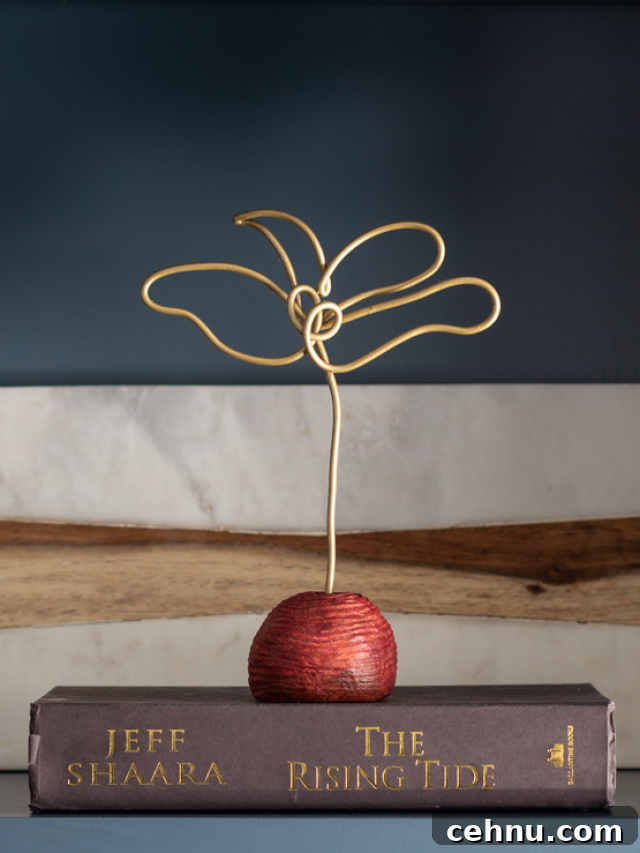
Wire art can also be used to make beautiful sculptures for home décor and display. These sculptures may be abstract, modern, realistic, or inspired by line drawings. A simple continuous line can become a face, a flower, an animal, or a decorative shape when formed carefully with wire.
Some wire sculptures are built around a frame or armature, while others are created entirely from shaped wire. Larger pieces may use thicker wire for support and thinner wire for detail. This combination helps the sculpture stay stable while still allowing fine lines, curves, and texture.
Wire sculpture is also a good choice for mixed-media art. Artists may combine wire with air-dry clay, wood bases, beads, paper, or found objects. These additions can help support the artwork, add color, or create contrast between soft and hard materials.
In addition to abstract designs, wire can be shaped into realistic artwork. Some artists create lifelike animal sculptures, while others use wire to capture movement, emotion, or a specific moment. The open structure of wire art gives these pieces a light and airy quality that is different from solid sculpture.
Frequently Asked Questions
What tools are needed?
To begin creating wire art, you will need a few basic tools: wire cutters, pliers, a ruler, and a soft work surface such as a cloth or rubber pad. Needle-nose, round-nose, and flat-nose pliers are especially useful. Optional tools include a wire jig, nylon jaw pliers, and a small hammer or mallet for shaping and strengthening wire.
Which wire is best?
The best wire depends on the project. Copper, aluminum, and brass are popular because they are flexible and easy to work with. For detailed pieces, thinner wire is usually easier to shape. For sculptures or frames, thicker wire offers better strength and support. Higher gauge numbers mean thinner wire, while lower gauge numbers mean thicker wire.
How to start a sculpture?
Start by planning your design. You can sketch the shape on paper or use a simple template as a guide. Cut the wire to the lengths you need, then begin shaping it slowly with pliers. For larger sculptures, create a strong base or frame first. Smaller pieces of wire can be joined by twisting, wrapping, or other secure joining methods.
Where to buy supplies?
Wire art supplies are commonly available at craft stores, art supply shops, jewelry-making stores, and online retailers. When choosing wire, check the material, gauge, finish, and quantity so you know it will suit your project. Reading product details carefully can help you avoid wire that is too stiff, too soft, or too thin for your design.
Are kits available?
Yes, wire art kits are available and can be helpful for beginners. A kit may include wire, basic tools, instructions, templates, beads, or other small materials. Kits are a convenient way to try wire art without buying many separate supplies at once.