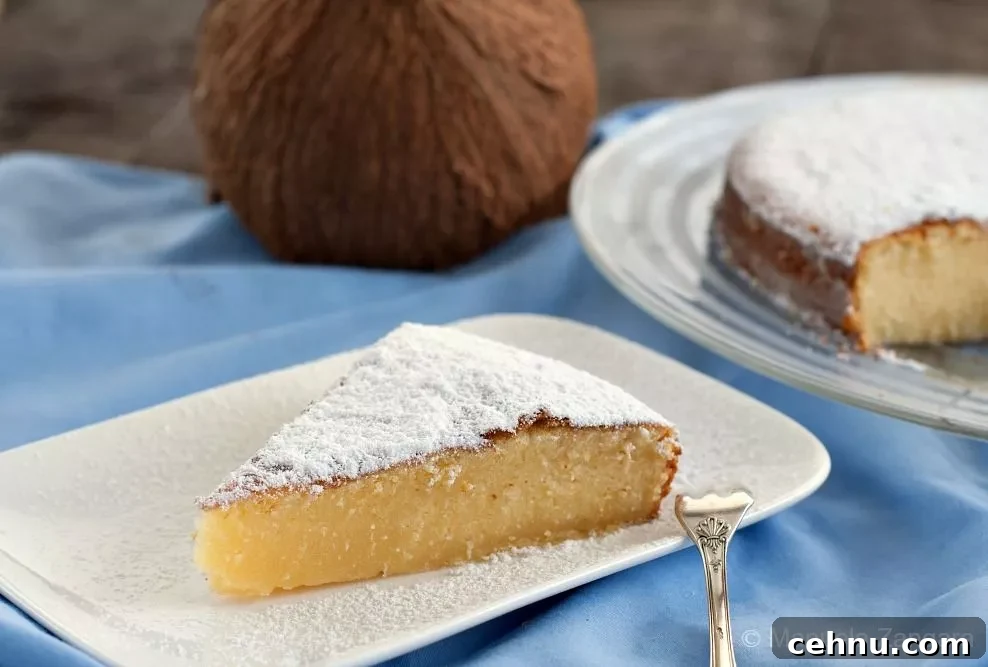
Moist, tender and straightforward to make, this Condensed Milk and Coconut Cake blends creamy sweetness with a gentle coconut fragrance. It’s a great choice for everyday baking or a comforting weekend treat that keeps well and travels nicely for lunch boxes.
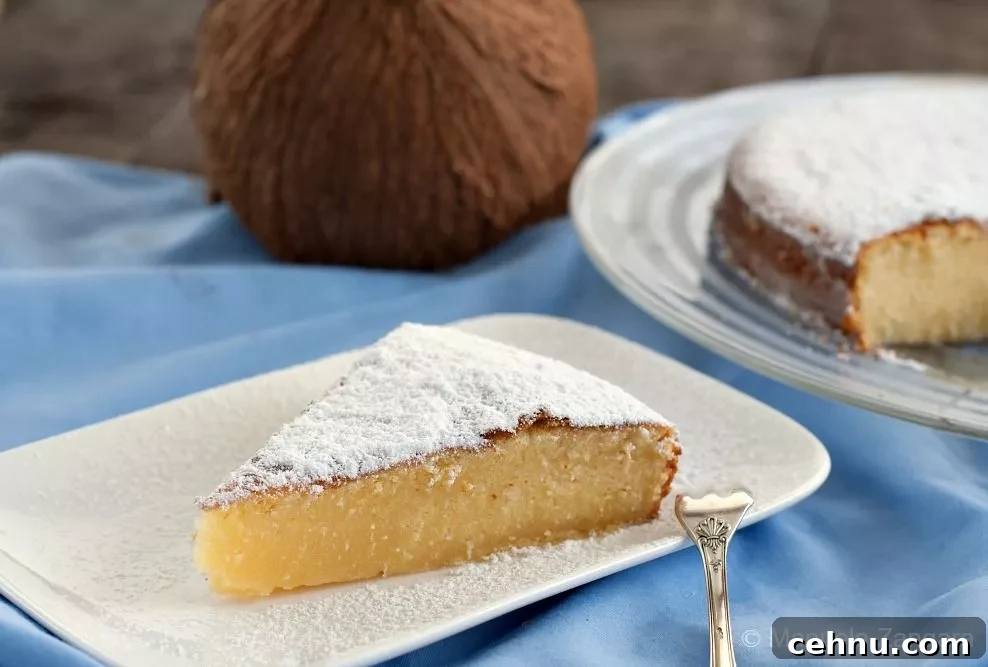
My eldest daughter is obsessed with anything coconut at the moment and definitely takes after her dad when it comes to a sweet tooth. She likes to bring something homemade in her school lunch, so I aim to bake a small treat each week. Baking for her lets me control the ingredients, and wrapping a slice in cling film feels like sending a little piece of home with her.
For a while I baked muffins or cookies most weeks, but lately cakes have been winning because they are quick to mix, slice easily and freeze well. After the cake cools, I cut it into portions, wrap each piece and freeze them. Each morning I pop one into her lunch box and by lunchtime it has defrosted to a soft, ready-to-eat slice.
This Condensed Milk and Coconut Cake became a favourite after I used some leftover homemade condensed milk. The girls loved it so much I wrote the recipe down and have been making it often. Below you’ll find why this cake is a keeper, the key ingredients, simple steps, variations and storage tips.
Why This Easy Homemade Coconut Cake Always Wins Hearts
- Quick to prepare using staples you probably already have, perfect for busy days when you still want to bake.
- The condensed milk keeps the crumb soft and gives a rich, lasting moistness compared with many plain sponge cakes.
- A neutral base that invites small tweaks — lemon zest, nuts or chocolate chips add personality without overcomplicating the process.
Key Ingredients for Condensed Milk and Coconut Cake
Condensed Milk
Condensed milk brings the cake’s signature sweetness and creamy flavour. It helps produce a soft, tender crumb and a pleasant golden bake.
Coconut Milk
Coconut milk adds moisture and a subtle coconut aroma. If your coconut milk has separated, stir thoroughly before measuring to ensure an even texture.
Butter
Melted unsalted butter adds richness without masking the coconut notes. I prefer unsalted so the cake’s sweetness stays balanced.
Coconut Flour or Fine Desiccated Coconut
Either ingredient adds a delicate coconut texture and helps the cake hold together while keeping a light crumb. Use fine desiccated coconut if you want a slightly firmer bite.
The complete ingredient list and measurements appear in the recipe card below.
How to Make Condensed Milk and Coconut Cake
Step 1: Grease and dust with flour a 22 cm (9 inch) springform pan. For easier removal, place a circle of parchment on the base.
Step 2: Combine all the ingredients in a mixing bowl or in the bowl of an electric mixer and mix until smooth and well combined. Scrape down the sides to ensure everything is evenly incorporated.
Step 3: Pour the batter into the prepared pan and bake in a preheated oven at 180°C (355°F) for about 40 minutes, or until a skewer inserted in the centre comes out clean or with a few moist crumbs.
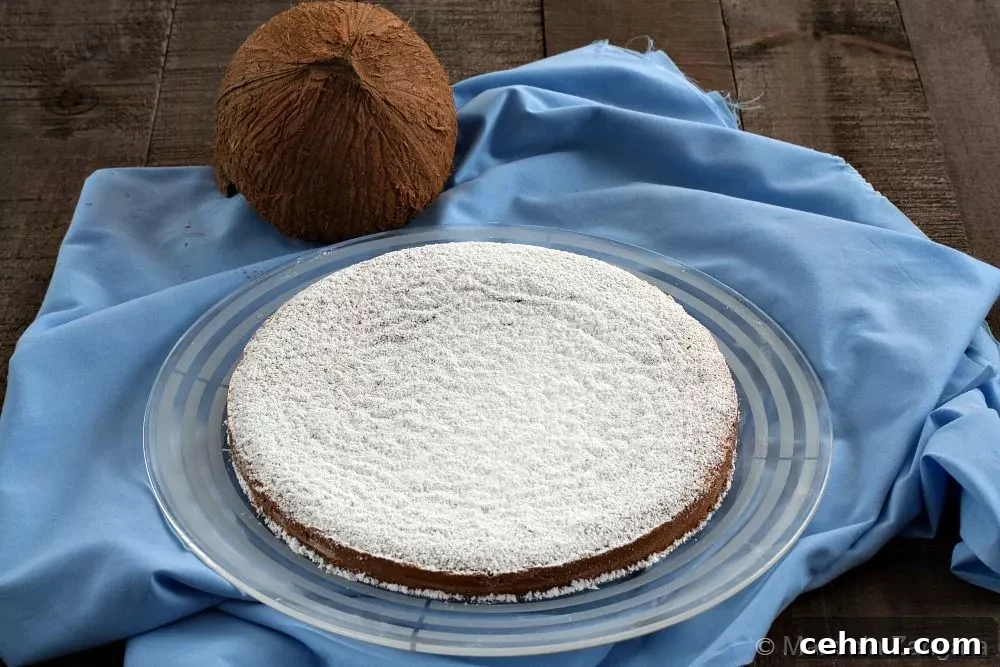
Step 4: Allow the cake to cool completely in the pan before unmoulding. Dust lightly with icing sugar before serving.
Frequently Asked Questions
Yes. Homemade or canned coconut milk both work well. If the milk is thick or separated, stir it to combine before adding. Fresh coconut milk often gives a more pronounced coconut flavour.
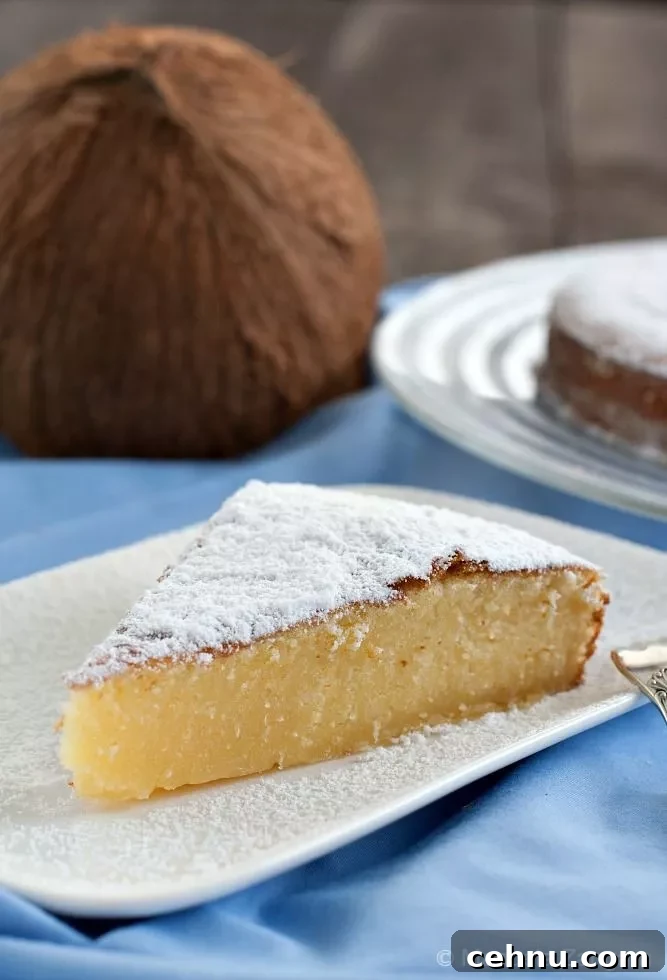
The top should be golden and springy. A skewer inserted into the centre should come out clean or with a few moist crumbs.
Yes. Fine desiccated coconut works well and gives a slightly firmer texture. Avoid coarse shreds that could create uneven pockets.
A 22 cm (9 inch) springform pan is ideal for even rise and easy unmoulding. If using a smaller pan, increase baking time and check doneness with a skewer.
Extra Help from the Kitchen
Check oven temperature — an oven thermometer helps since small temperature differences change bake time and texture.
Line the base — a circle of baking paper makes unmoulding easier and prevents sticking.
Avoid opening the oven too early — wait at least 30 minutes before the first check so the cake doesn’t collapse from a sudden temperature change.
Cool on a rack — when the pan is cool enough to handle, transfer the cake to a wire rack so the base doesn’t steam and become soggy.
Variations and Twists
Add lemon zest — stir in one tablespoon of finely grated lemon zest to cut through the sweetness and add a fresh citrus lift.
Chocolate chip version — fold in 1/2 cup of dark or milk chocolate chips for a more indulgent cake.
Toasted coconut topping — sprinkle toasted desiccated coconut over the cooled cake for a crunchy finish and stronger coconut aroma.
Coconut almond cake — replace two tablespoons of flour with ground almonds for a slightly denser texture and delicate nutty flavour.
Mini cakes — divide the batter into a muffin tin for single-serve cakes and bake for about 20 minutes or until a skewer comes out clean.
Storage and Shelf Life
Store the cake in an airtight container at room temperature for up to three days. In warm weather keep it refrigerated where it will last about five days; bring slices back to room temperature before serving for the best texture.
For longer storage, wrap individual slices tightly in plastic wrap and freeze in a freezer-safe container for up to two months. Defrost at room temperature or warm briefly in the microwave before serving.
Dessert Ideas for Your Next Baking Day
- Low Fodmap Chocolate Chunk Blondies
- Nutella Crostata
- Low Fodmap Macadamia Brownies
- Vegan Apple Spice Cake
- Salted Caramel Lava Cakes
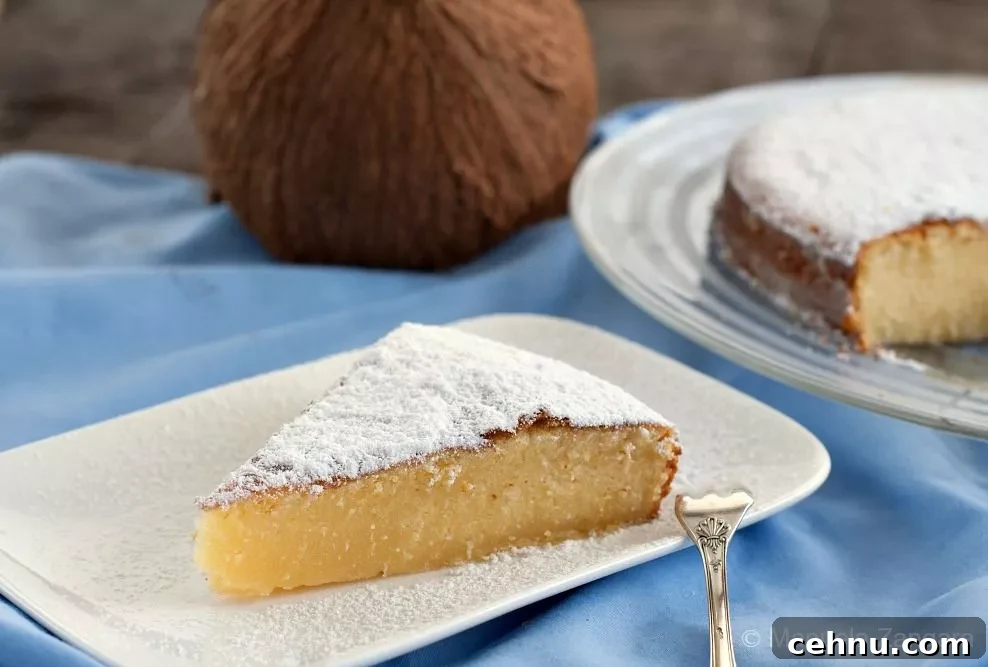
Condensed Milk and Coconut Cake
Moist, tender and easy to make, this Condensed Milk and Coconut Cake brings together creamy condensed milk and coconut for a simple, delicious dessert.
Dessert
International
10 minutes
40 minutes
50 minutes
Manuela Zangara
Ingredients
- 250 g – condensed milk
- 4 eggs
- 125 g – all-purpose flour
- ½ tsp baking powder
- 50 g – butter, melted
- 150 ml – coconut milk
- 30 g – coconut flour or fine desiccated coconut
- 2 tbsp sugar
- 1 tsp coconut essence
- Icing sugar for dusting
Instructions
- Grease and dust with flour a 22 cm (9 inch) springform pan. Line the base with baking paper for easier removal.
- Put all ingredients into the bowl of an electric mixer or a mixing bowl and whisk until the batter is smooth and well combined.
- Pour the batter into the prepared pan and bake at 180°C (355°F) for about 40 minutes, or until a toothpick inserted in the centre comes out clean.
- Let the cake cool completely in the pan, then unmould and dust with icing sugar before slicing and serving.