Stovetop pressure cookers have been a staple in Indian and Pakistani kitchens for decades, and electric multi-cookers like the Instant Pot have now become popular as well. This article outlines the advantages and drawbacks of using an Instant Pot for South Asian cooking, answers common questions, and provides useful Instant Pot cooking times for staples like dal, chicken, pulao, and more.
If you’re new to the Instant Pot or want to adapt it for Indian and Pakistani recipes, this guide will shorten the learning curve. It covers how much liquid to use, tips to avoid the burn message, what dishes are better on the stovetop, and practical cooking times so you can get reliable results.
This is a living document that will be updated as I learn more. If you have questions or tips, please comment below.
Pros of the Instant Pot:
- Convenient and largely hands-off: set the pressure time and the cooker finishes automatically without constant monitoring or stirring.
- Quieter than traditional whistling pressure cookers, making it nicer for everyday use.
- Built-in safety features such as automatic shutoff and alerts in case of scorching.
- Pre-set functions simplify timing for common items, reducing guesswork.
- Sauté functionality at different heat levels lets you brown onions and meats or gently simmer sauces before and after pressure cooking.
Cons of the Instant Pot:
- The inner pot has a thinner base than heavy-bottomed stovetop pots, so it doesn’t retain heat the same way.
- Sautéing to reduce excess liquid or to properly brown a curry (bhunna) can take longer than on the stovetop.
- It’s not always faster for certain meats—dense cuts like beef or mutton sometimes take longer than in a traditional pressure cooker.
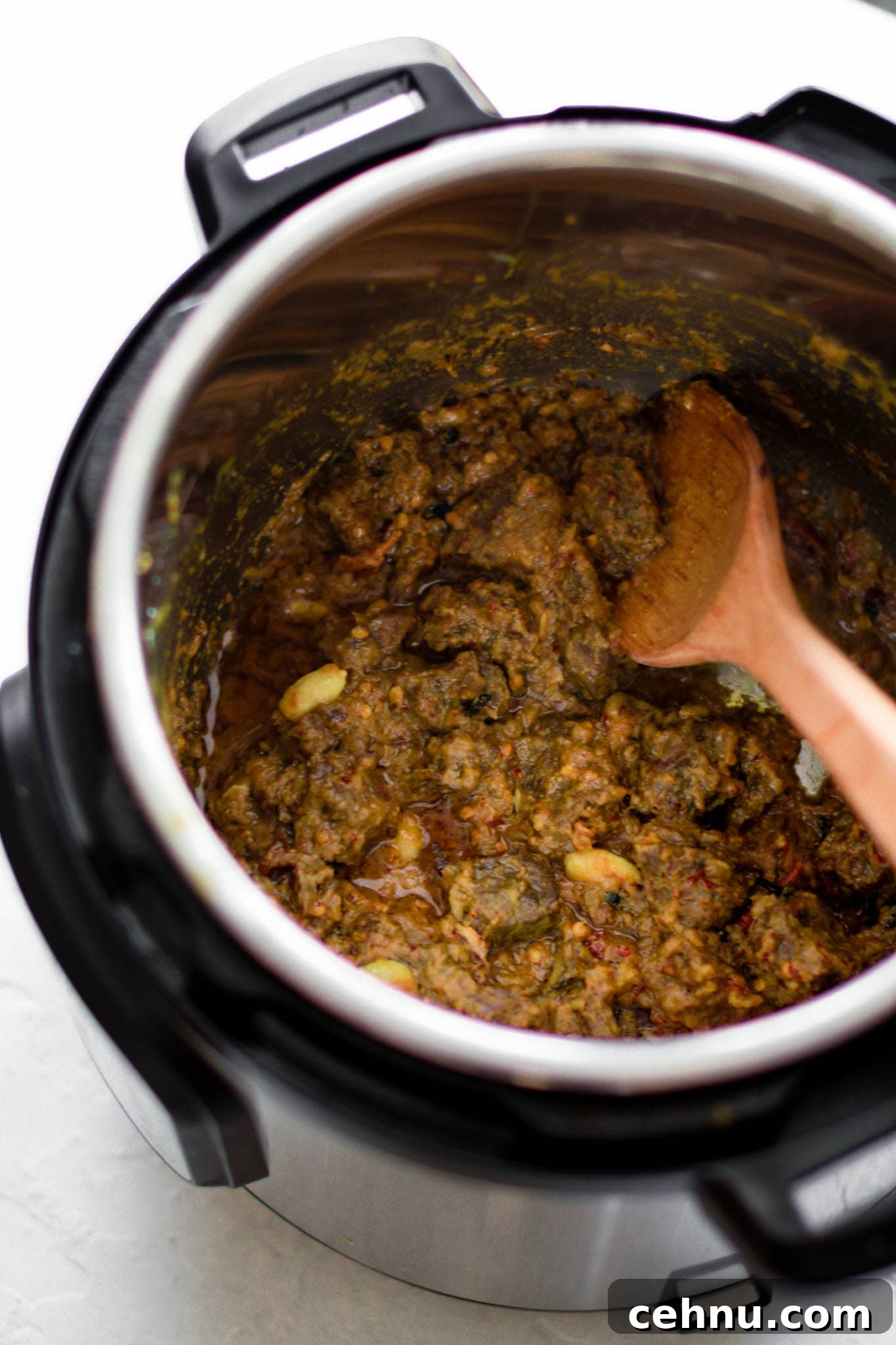
Is the Instant Pot good for Indian cooking?
Yes. South Asian cuisine features many one-pot dishes, curries, and stews that adapt well to pressure cooking. With a few adjustments to liquid and timing, dals, curries, and stews move easily from a stovetop recipe to the Instant Pot.
How much water to add compared to a traditional pressure cooker
Because the Instant Pot traps steam and has minimal evaporation, you should reduce—sometimes drastically—the extra liquid you’d normally add in a stovetop pressure cooker. For curries, rely more on the moisture in onions, tomatoes, vegetables, and meat rather than adding a lot of water.
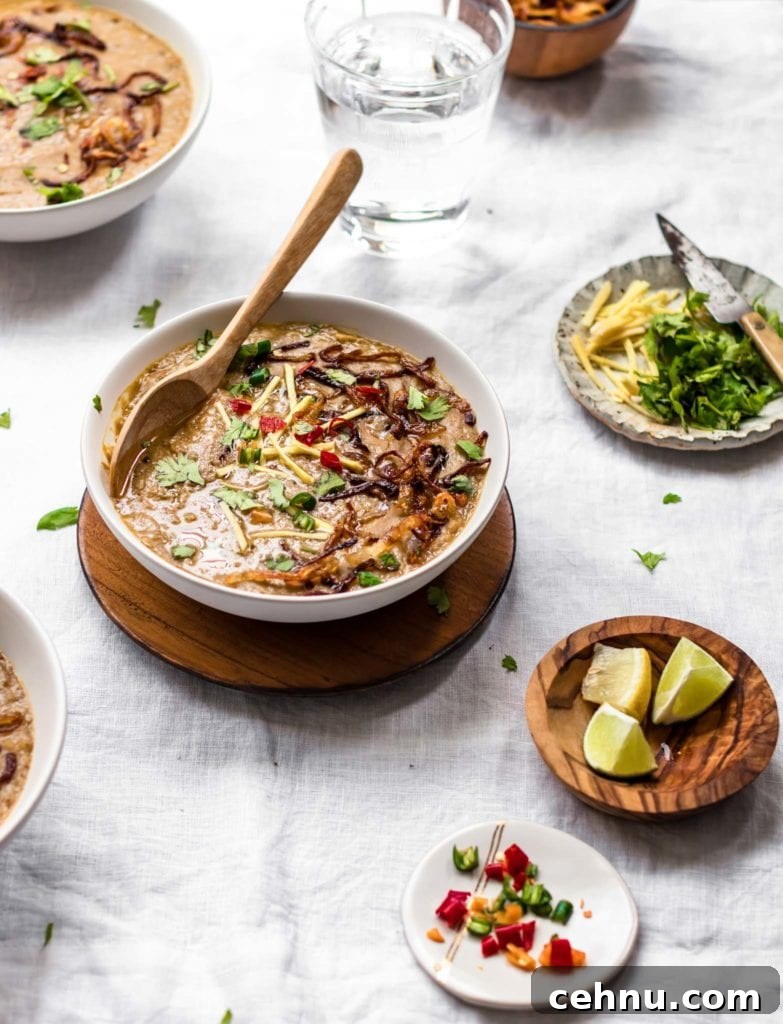
How to prevent the Burn error when making curries
- Make sure there is sufficient moisture from the ingredients and any added liquid so the pot can build pressure without scorching.
- Deglaze the inner pot and scrape up any browned bits after sautéing onions and masala so those residues don’t trigger scorching under pressure.
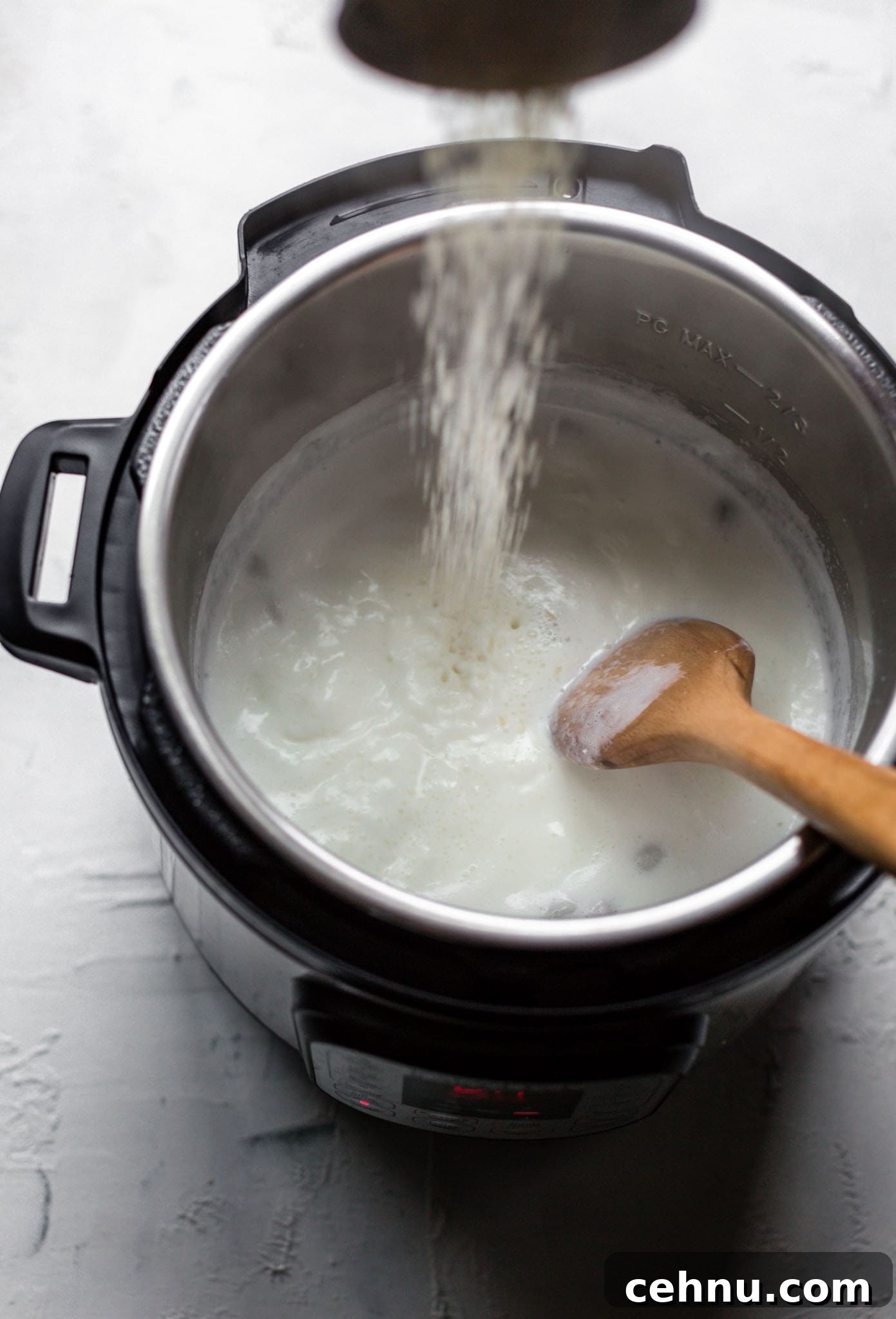
- For recipes prone to sticking—such as yogurt-based kadhi or milk-based kheer—bring the mixture to a boil before sealing to reduce the chance of grains or gravies sticking to the bottom while pressure builds.
How to cook rice dishes like pulao and biryani in the Instant Pot
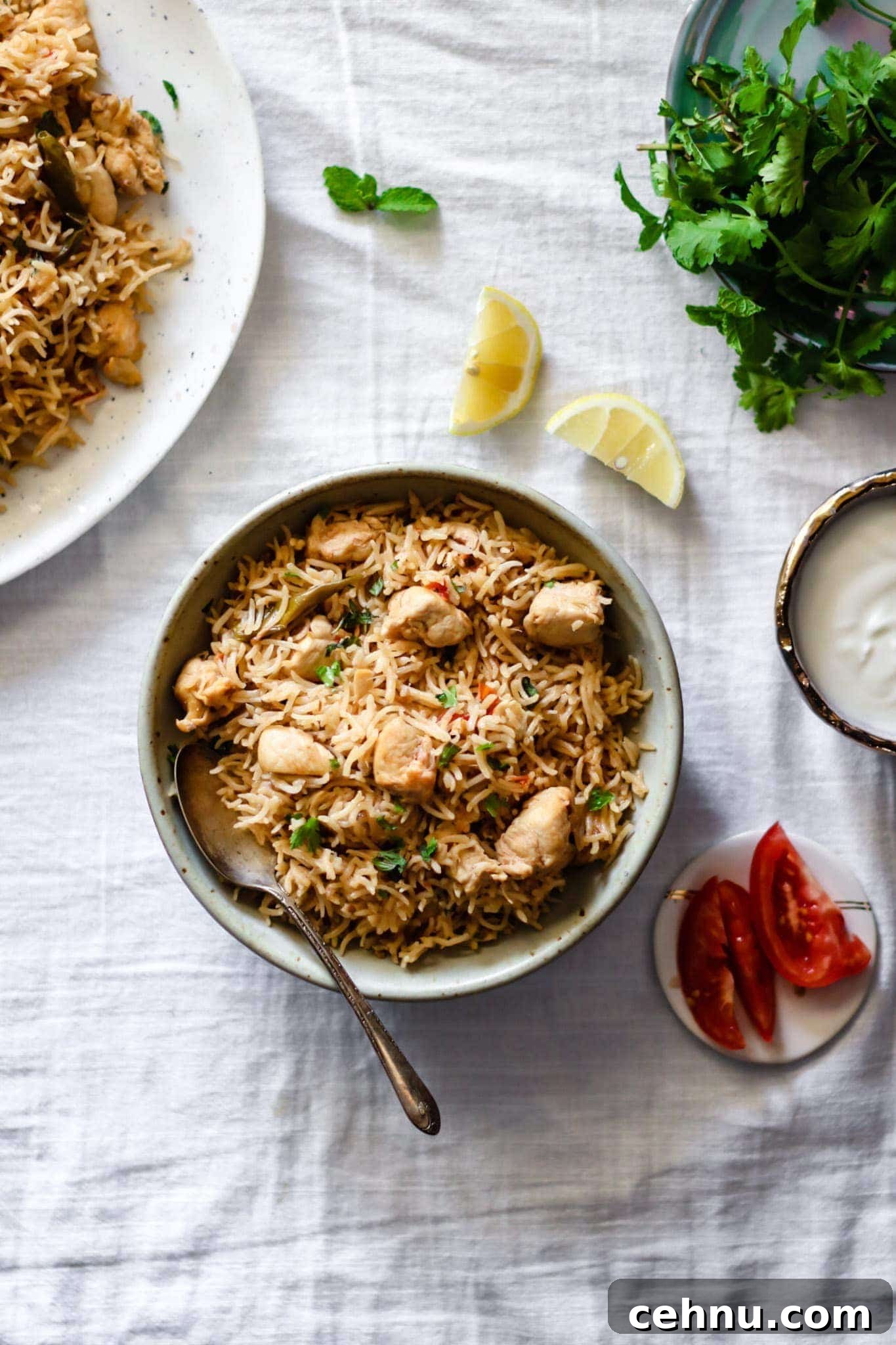
Rice can become mushy if liquid isn’t controlled carefully. A useful method is to pressure cook briefly and then allow the rice to finish cooking in the residual heat—this is similar to the traditional desi dum technique and helps the rice absorb flavors without overcooking.
Start with simple recipes like chana pulao, which uses only water as added moisture, to learn how much liquid your model needs. Once you’re comfortable, move on to more complex pulaos with meat and layered flavors.
Which curries are not suited to the Instant Pot?
Stir-fried or open-pan dishes that depend on high heat and tossing—such as baingan bharta or many okra preparations—are better on the stovetop. If a recipe primarily requires sautéing (bhunna) to develop flavor, the stovetop is usually preferable.
Some vegetable curries that are meant to cook down in their own juices without added water can be at higher risk of the Burn message in the Instant Pot, so exercise caution or use the stovetop when in doubt.
My review of the Instant Pot Air Fryer Lid
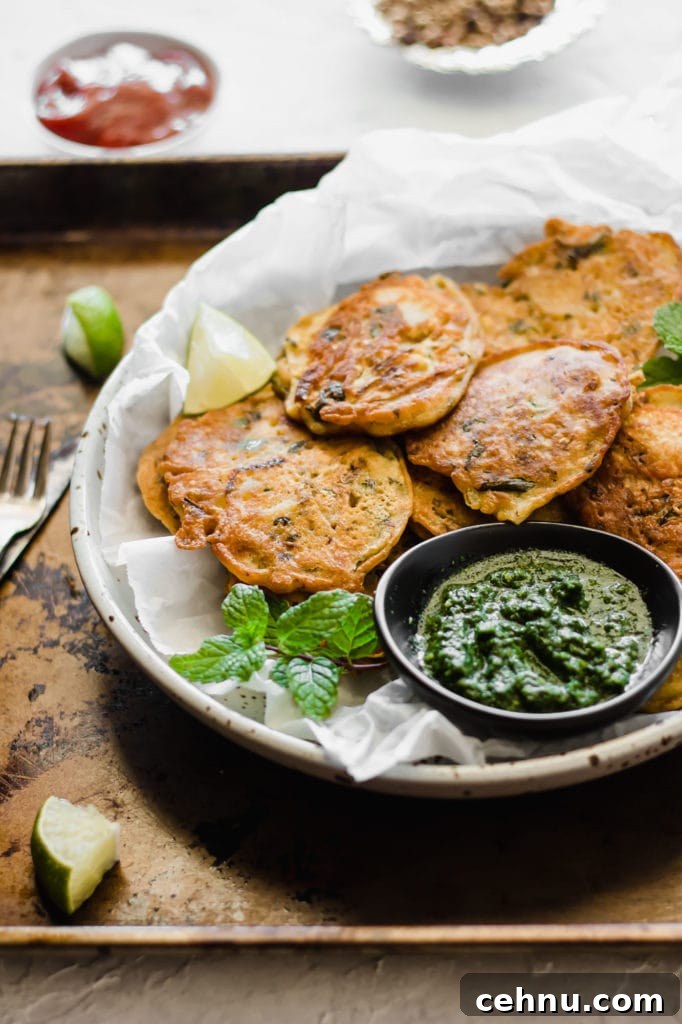
The air fryer lid is a handy alternative to deep-frying for snacks like pakoras and small kebabs, though its capacity is best suited to small families. For items like kababs or fries try 400°F for about 10 minutes, then flip and continue until crisp.
Air-fried desi snacks usually benefit from a light coating of oil so they stay moist and develop color.
Helpful dal (lentil) cook times in the Instant Pot
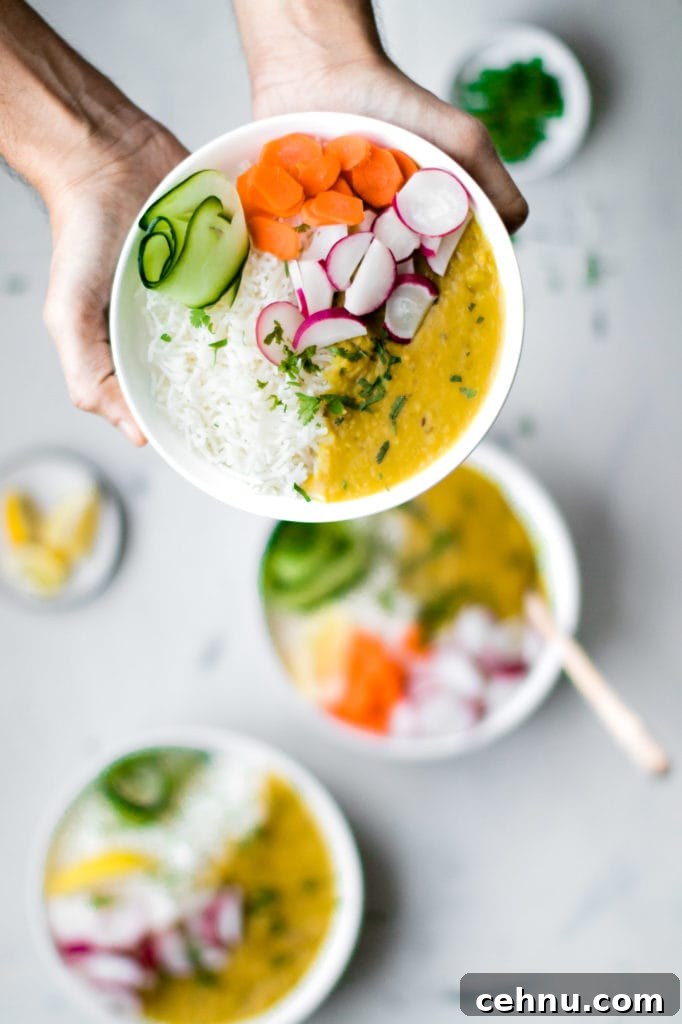
Dal is one of the easiest things to cook in the Instant Pot—just pressure cook and finish with a tempering (tadka). Below are reliable, no-soak pressure times I use; adjust slightly for altitude and personal texture preference.
| Type of Dal | Pressure Cooking Time (no-soak) |
| Sabut Masoor Dal (Whole Red Lentils) | High Pressure – 20 Minutes |
| Maash Ki Dal (Urad dal) | High Pressure – 4–5 Minutes |
| Sabut Urad Dal (Whole Urad Lentils) | High Pressure – 20 Minutes |
| Chana Dal (Split Chickpeas) | High Pressure – 15–22 Minutes |
| Masoor Dal (Red Lentils) | High Pressure – 6 Minutes |
How long to cook cut-up bone-in chicken in the Instant Pot
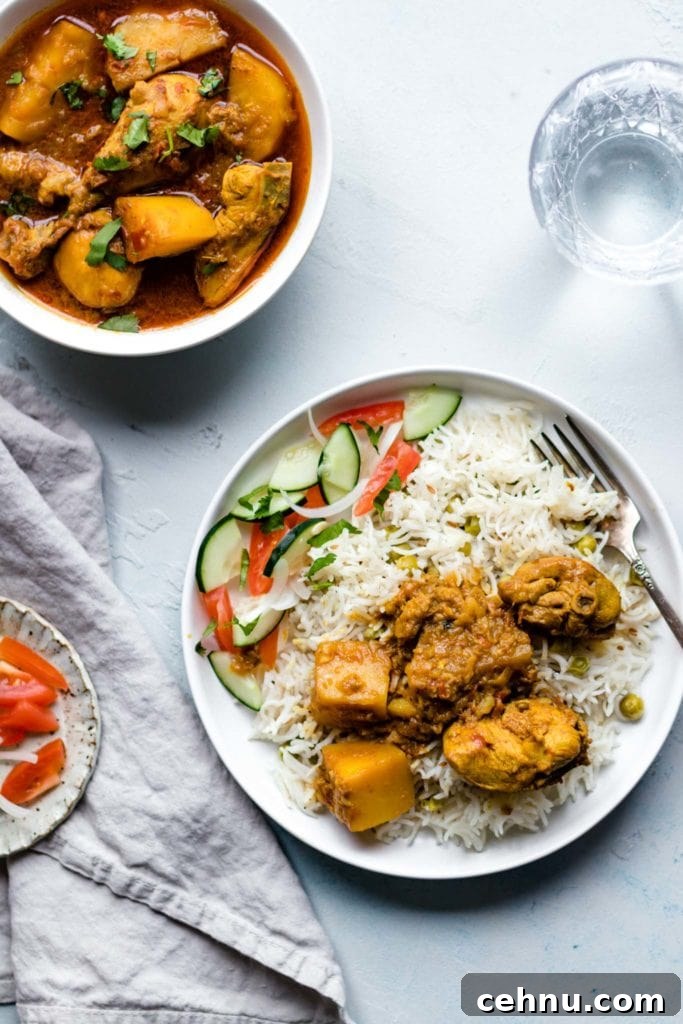
For curry-ready, well-cooked bone-in chicken, pressure cook on High for 10–12 minutes. Smaller bone-in pieces can finish in as little as 6 minutes. Allow for a natural pressure release when appropriate to keep the meat tender and juicy.
Which Instant Pot is best for Indian & Pakistani cooking
The 6-quart model is a versatile choice for most households and works well for dals, curries, and small roasts. Families with six or more members may prefer an 8-quart model for larger batches. Choose the size that matches your typical meal quantities.
Want recipe ideas? Try a few simple Instant Pot dishes—dal, chicken pulao, or a basic beef stew—to learn how your model handles liquid and timing. Once you get comfortable, you can adapt more complex regional recipes with confidence.
If you have questions or tips from your own experience using an Instant Pot for desi cooking, please share them in the comments. Thanks for reading!