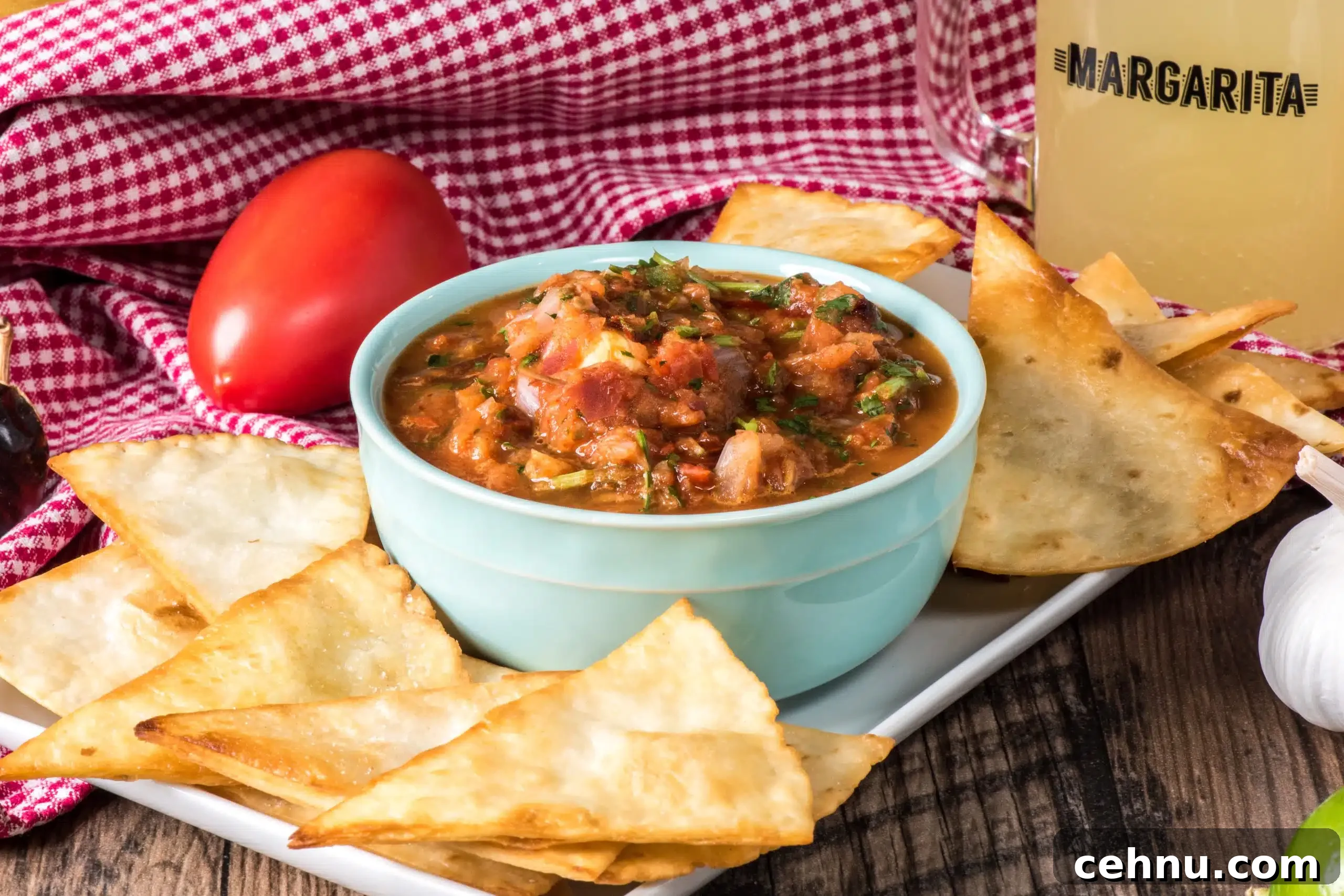
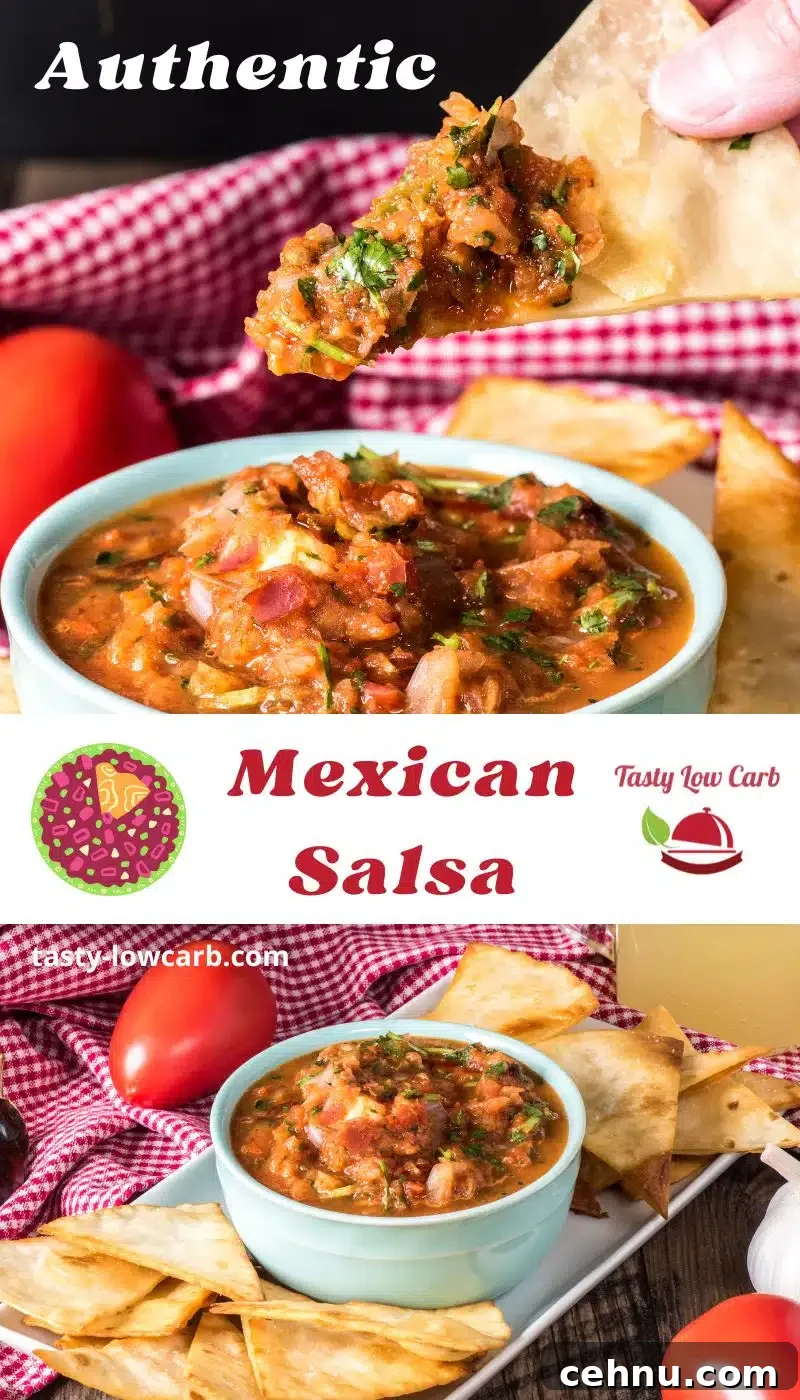
Authentic Mexican Salsa Roja is one of those recipes that can be interpreted in many different ways. Across Mexico and throughout the Southwest, every family kitchen, taco stand, and Mexican restaurant seems to have its own version. Some are smooth and pourable, while others are rustic and chunky. Some are fiery, and others are mild enough to enjoy by the spoonful. What makes this salsa roja recipe special is not a complicated technique or a long list of ingredients. The key is simple: fresh tomatoes, peppers, onion, and garlic are roasted until lightly charred, then blended with cilantro, lime juice, cumin, and salt for deep, bright, and balanced flavor.
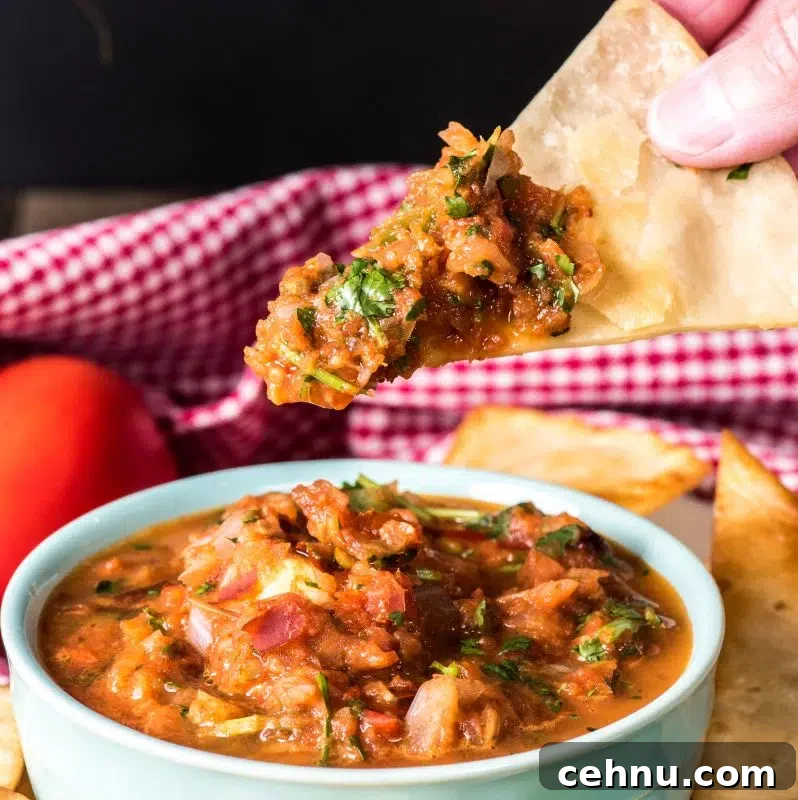
Salsa roja is a tomato-based red salsa often served as a “table salsa” in Mexico. In the Southwest, it is common to find a bowl of fresh salsa served with tortilla chips as soon as you sit down at a Mexican restaurant. It is a welcoming touch and a perfect way to start a meal. Salsa roja is also incredibly versatile. It can be spooned over quesadillas, tacos, grilled meats, eggs, nachos, and low-carb tortilla chips. A good homemade salsa should taste fresh, smoky, tangy, and lightly spicy, with enough texture to feel rustic and satisfying.
Ingredients
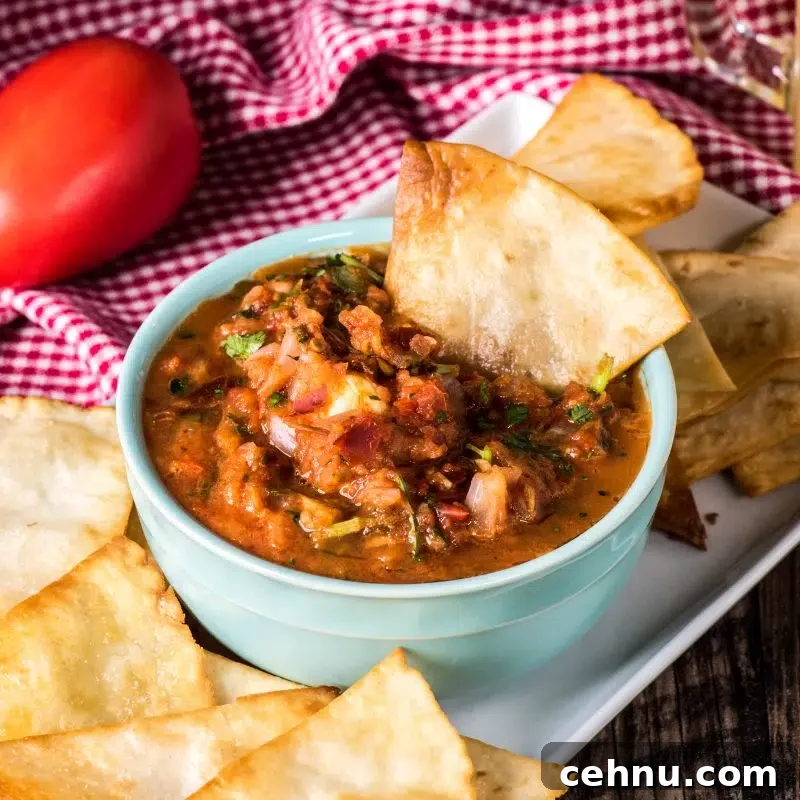
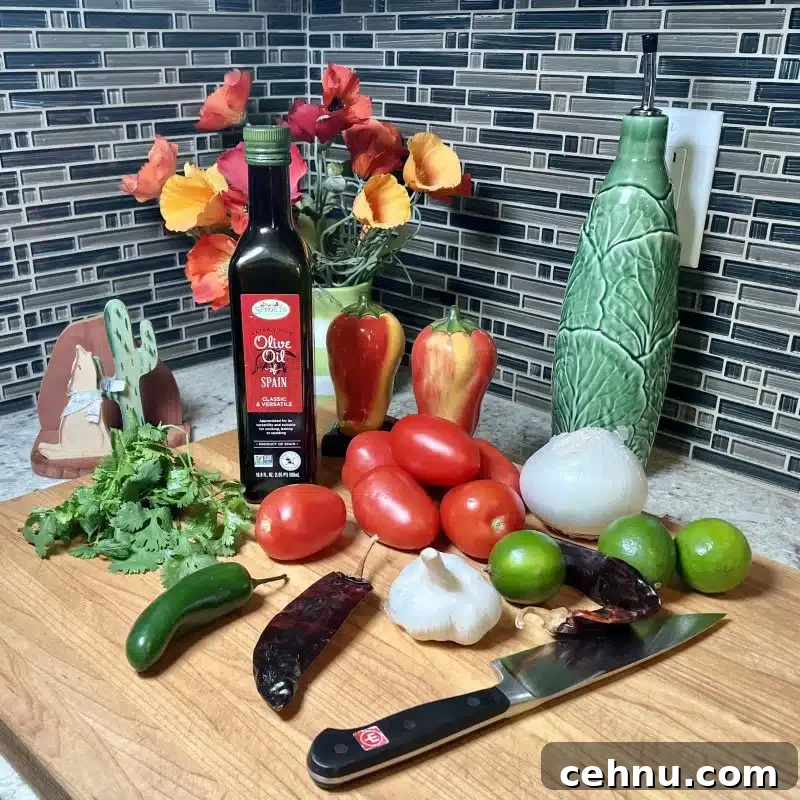
Because this is salsa roja, tomatoes are the foundation. Roma tomatoes work especially well because they are meaty, flavorful, and easy to roast. Choose ripe tomatoes with a deep red color whenever possible. Fresh tomatoes are ideal, but canned tomatoes can be used when ripe fresh tomatoes are not available. For the best flavor, avoid boiling the tomatoes until they become mushy. Roasting or charring is a much better method because it concentrates the flavor and adds a smoky edge.
The classic base for this salsa includes Roma tomatoes, white onion, garlic, and jalapeño. A white onion is preferred because it has a cleaner, sharper flavor than yellow or Spanish onion and does not overpower the salsa. Garlic adds depth, but it chars quickly, so it should be removed from the skillet before it burns. Fresh cilantro is essential, and the stems can be included because they carry plenty of flavor. Fresh lime juice brightens the salsa and helps balance the roasted vegetables.
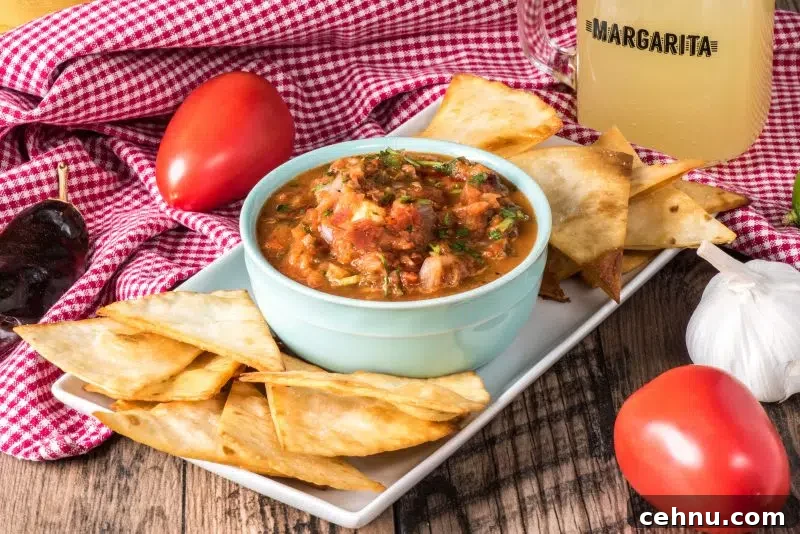
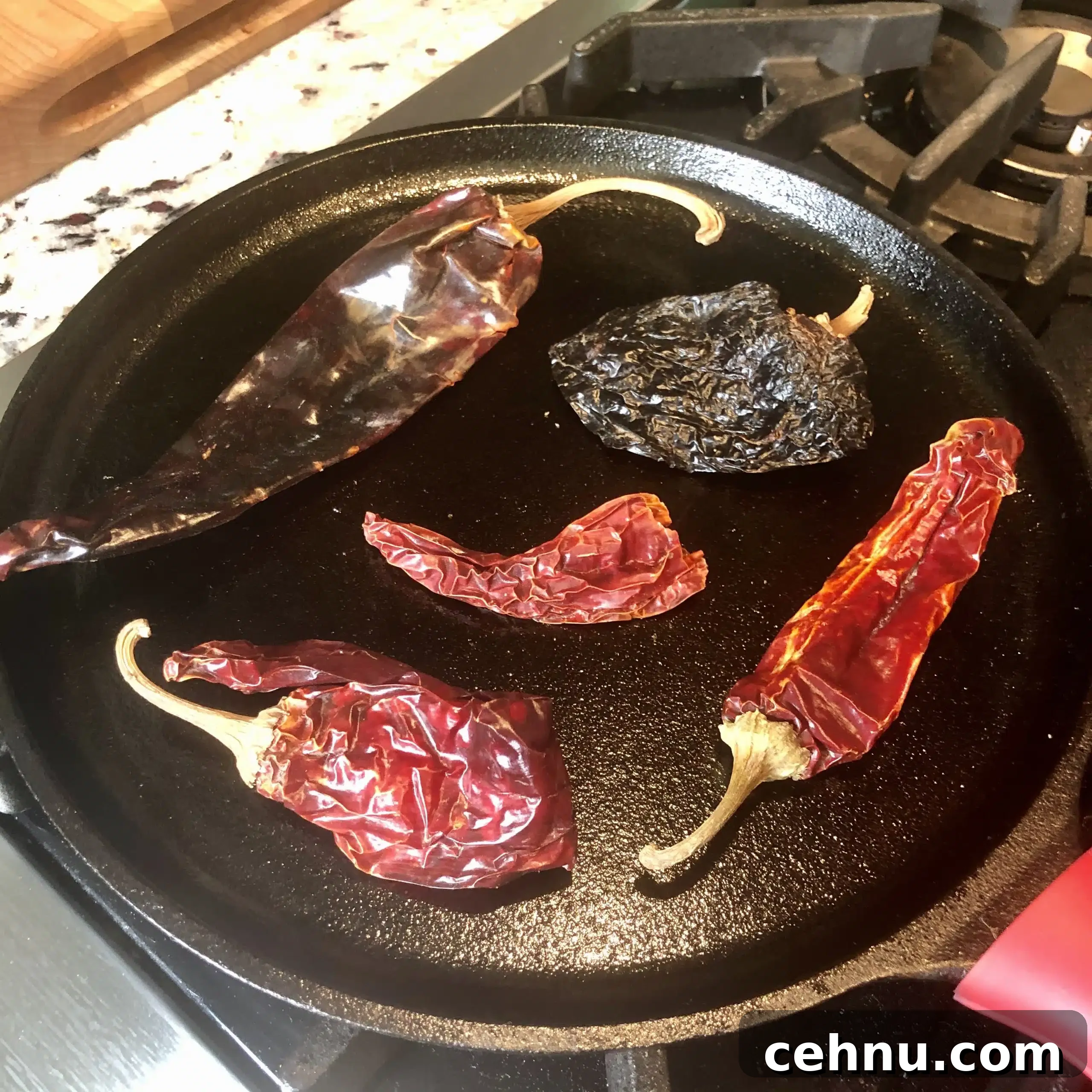
The level of heat is easy to adjust. A traditional salsa roja may use Serrano pepper, which is hotter than jalapeño. For this version, jalapeño keeps the heat flavorful but manageable. Dried Guajillo peppers are also included after being reconstituted in hot water. They add a rich, earthy flavor and can give the salsa a slightly darker, brownish-red color, especially when combined with the roasted vegetables. If you prefer more heat, you can substitute Serrano chili for the jalapeño. Dried Ancho or smoked Morita peppers can also be used in place of Guajillo peppers.

Preparation Tips
The secret to a flavorful salsa roja is roasting. A comal or cast iron skillet works beautifully for charring the tomatoes, onion, garlic, and pepper. If you do not have one, a heavy skillet will still do the job. You can also roast the vegetables under an oven broiler in a foil-lined pan. However you choose to cook them, keep an eye on the garlic because it can burn in only a few minutes. Burnt garlic can make the salsa bitter, so remove it once it is lightly charred and fragrant.
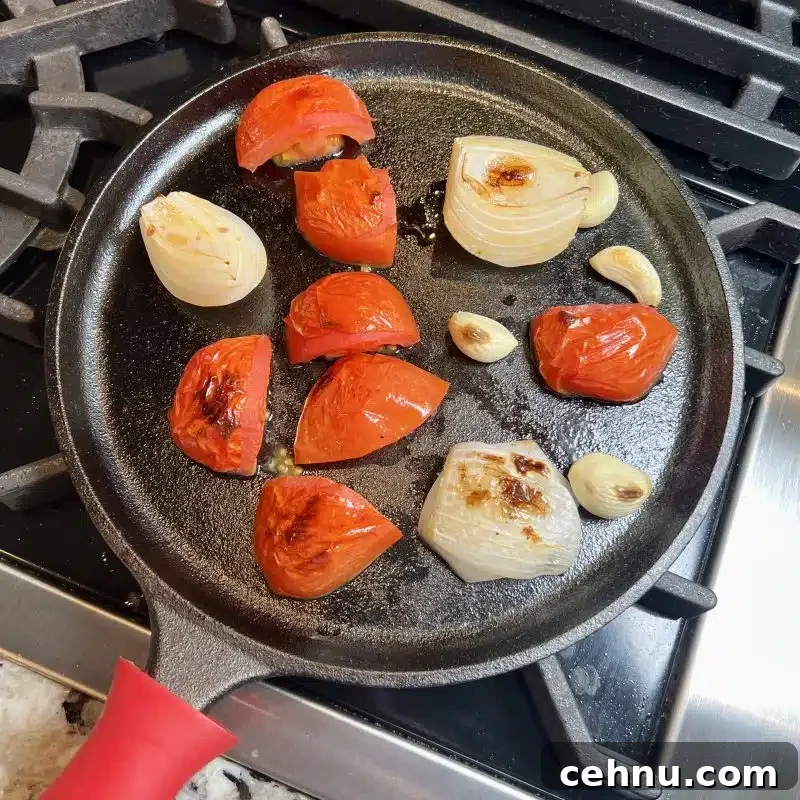
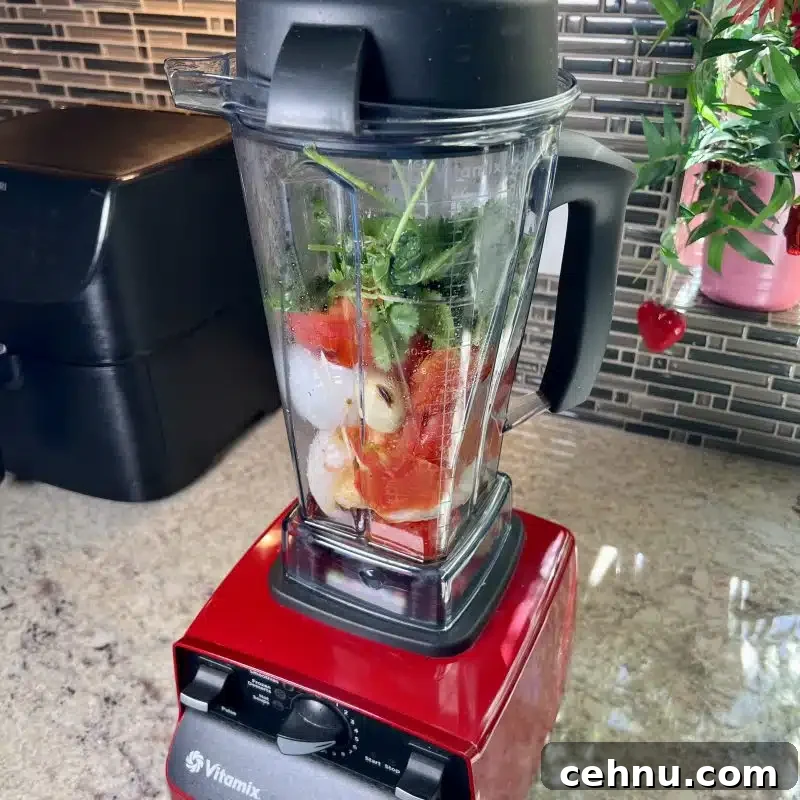
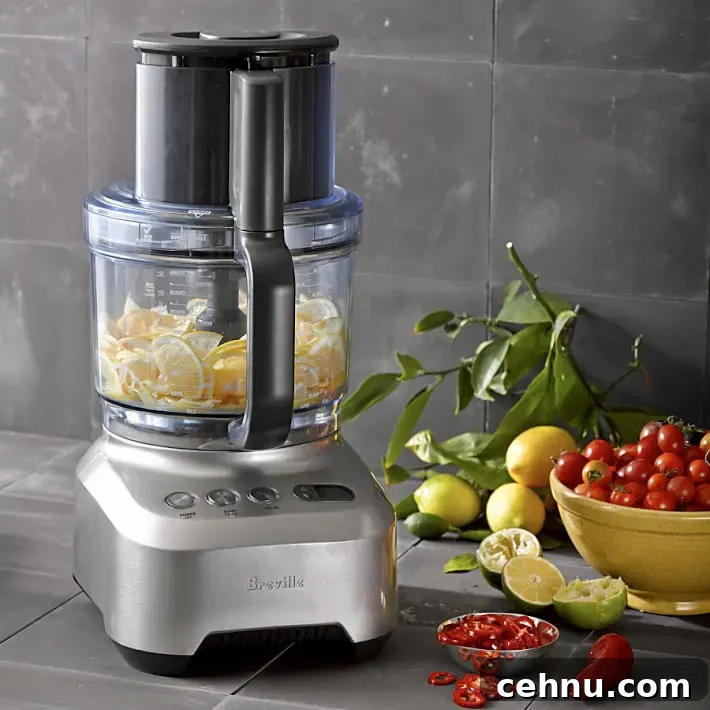
Before roasting, quarter the tomatoes and onion so they soften evenly and blend more easily. Once everything is charred, transfer the vegetables to a food processor with the reconstituted Guajillo peppers, cumin, lime juice, cilantro, and sea salt. Use the pulse button rather than running the processor continuously. Pulsing gives you better control over the texture. Stop early for a chunky restaurant-style salsa, or pulse longer if you prefer it smoother. Taste after blending and adjust the salt if needed.
A molcajete, the traditional Mexican mortar and pestle, can also be used for a more rustic salsa. Mashing roasted ingredients by hand produces a rougher texture and a slightly different character than blending in a food processor. Either method works well. What matters most is using fresh ingredients and allowing the roasted vegetables to bring out their natural sweetness and smoky flavor.
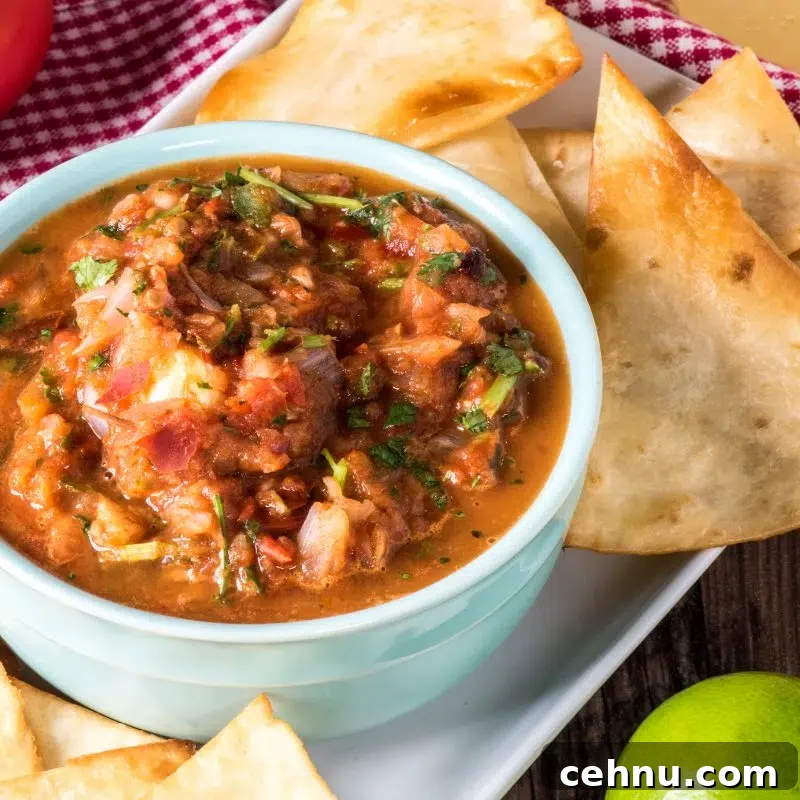
Authentic Mexican Salsa Roja – The Perfect Condiment – Delicious and Only 1.4g of Carbs!
This Authentic Mexican Salsa Roja is a fresh, low-carb essential that belongs in your refrigerator whenever you want a quick burst of flavor. Serve it as a topping for quesadillas, carne asada, tacos, or huevos rancheros. Spoon it over grilled chicken, scrambled eggs, roasted vegetables, or carnitas nachos. It is also excellent as a dip with low-carb tortilla chips. The recipe is simple, but the flavor is bold because the vegetables are roasted before blending. Once you make homemade salsa roja, jarred salsa will never taste quite the same.
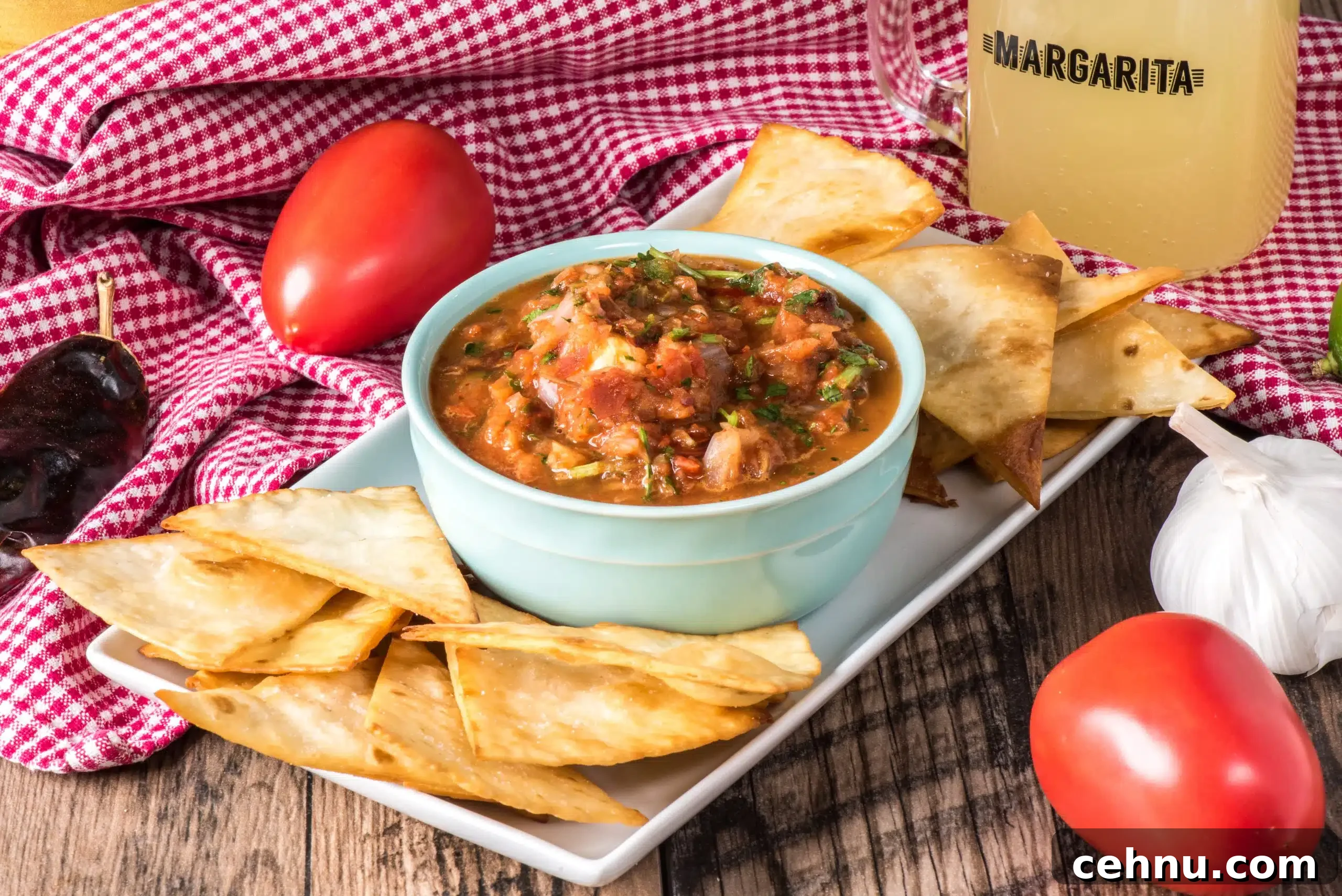
Authentic Mexican Salsa Roja
Serve this authentic Mexican salsa roja as a topping for quesadillas, carne asada, tacos, or huevos rancheros. It is also perfect as a dip with low-carb tortilla chips.
24
tbsp.
5
minutes
25
minutes
14.0
kcal
1.4
g
30
minutes
Ingredients
-
2 dried Guajillo peppers
-
1 tablespoon extra virgin olive oil
-
6 Roma tomatoes, quartered
-
1 white onion, quartered
-
4 cloves garlic
-
1 jalapeño pepper
-
1 teaspoon cumin
-
1 tablespoon fresh lime juice
-
10 sprigs cilantro, including stems
-
2 teaspoons sea salt
Instructions
- Bring a medium saucepan filled with 2 cups of water to a boil. Remove from the heat and soak the dried Guajillo peppers in the hot water for 20 minutes. Cut off the tops and remove the seeds.
- While the peppers soak, place the tomatoes, onion, garlic, and jalapeño in a very lightly oiled comal or cast iron skillet. You may also rub the vegetables lightly with olive oil. Heat over medium-high.
- Turn the vegetables often and cook for about 10 minutes, until the tomatoes are softened and the vegetables are charred. Remove the garlic after a couple of minutes so it does not burn.
- Remove the jalapeño, cut off the stem, and leave the seeds in the pepper.
- Add the roasted vegetables, reconstituted peppers, cumin, lime juice, cilantro, and sea salt to a food processor. Pulse until the salsa reaches your preferred consistency. Taste and add more salt if needed.
- Pour the salsa into a serving bowl, garnish with chopped cilantro, and enjoy.
Equipment
 Food Processor
-
Mixing Bowls
-
Mexican Comal
-
Measuring Cups


Chef’s Notes
- You can use a Serrano chili instead of the jalapeño if you want more heat.
- Dried Ancho or smoked Morita peppers can be used as substitutes for the dried Guajillo peppers.
- If preferred, roast the vegetables under an oven broiler for about 10 minutes instead of charring them on a comal. Remove the garlic after 2 to 3 minutes so it does not burn.
Nutrition Facts
- Calories: 14.0kcal
- Fat: 0.7g
- Cholesterol: 0.0mg
- Sodium: 24.0mg
- Potassium: 89.0mg
- Carbohydrates: 1.9g
- Fiber: 0.5g
- Sugar: 0.5g
- Protein: 0.4g