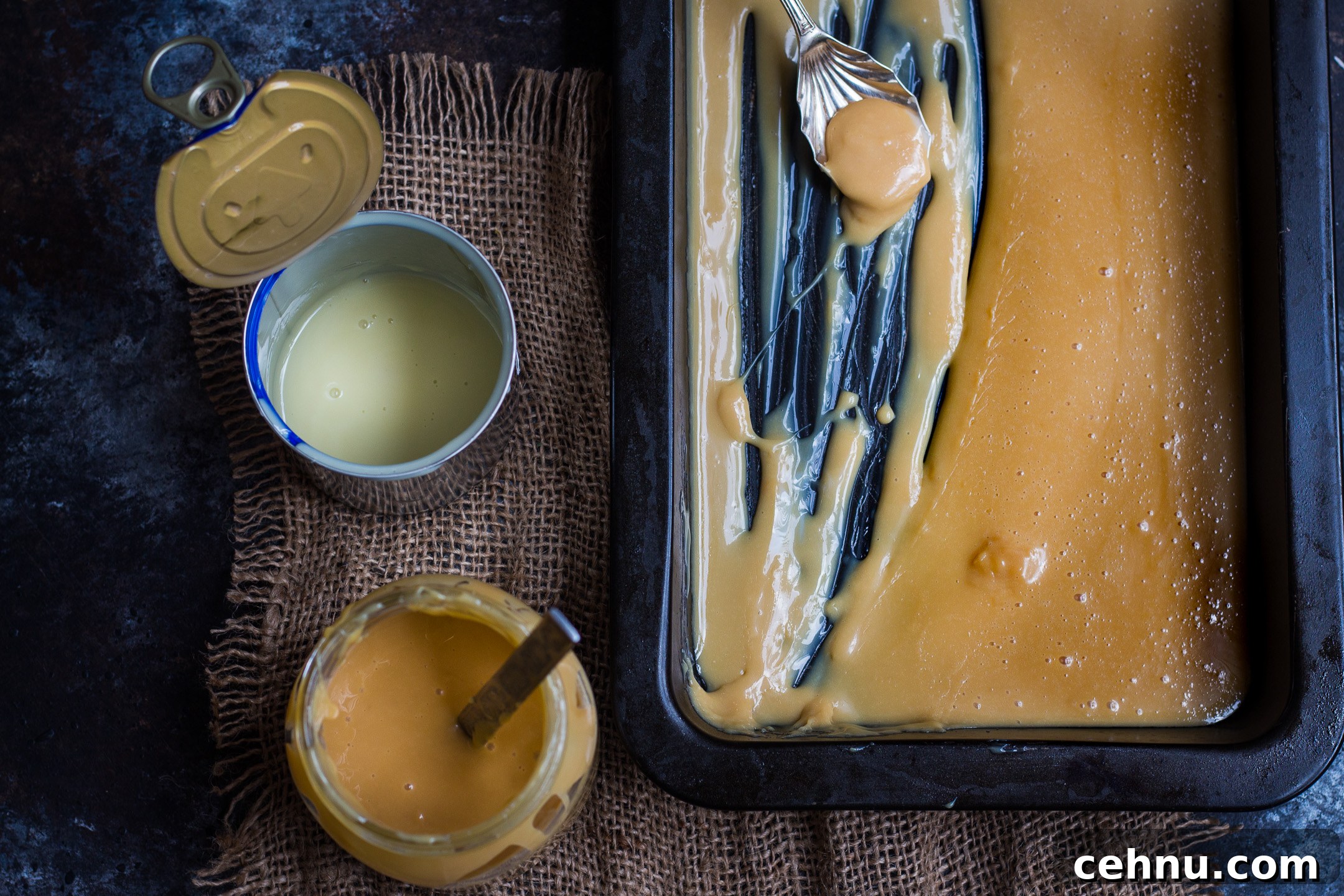
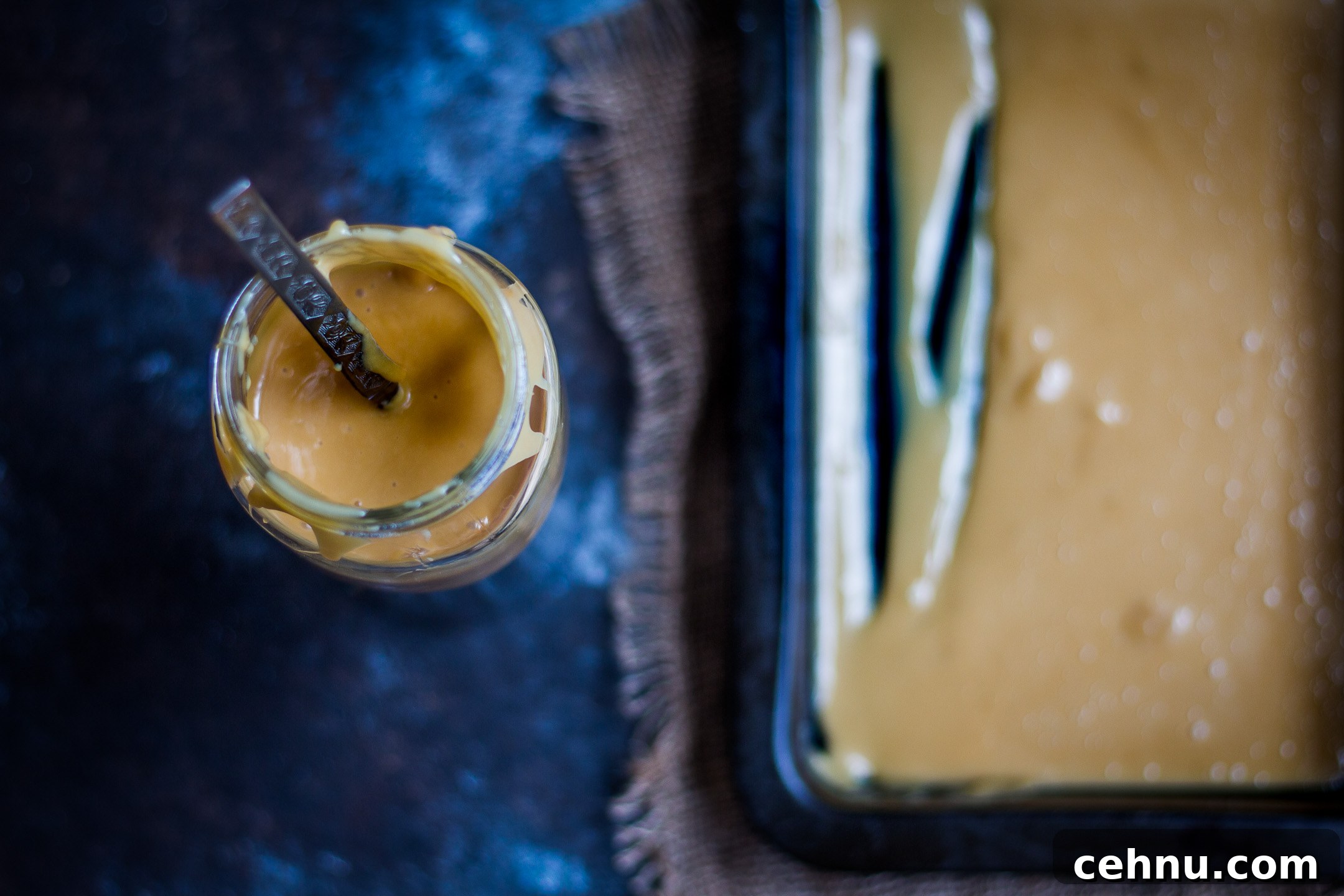
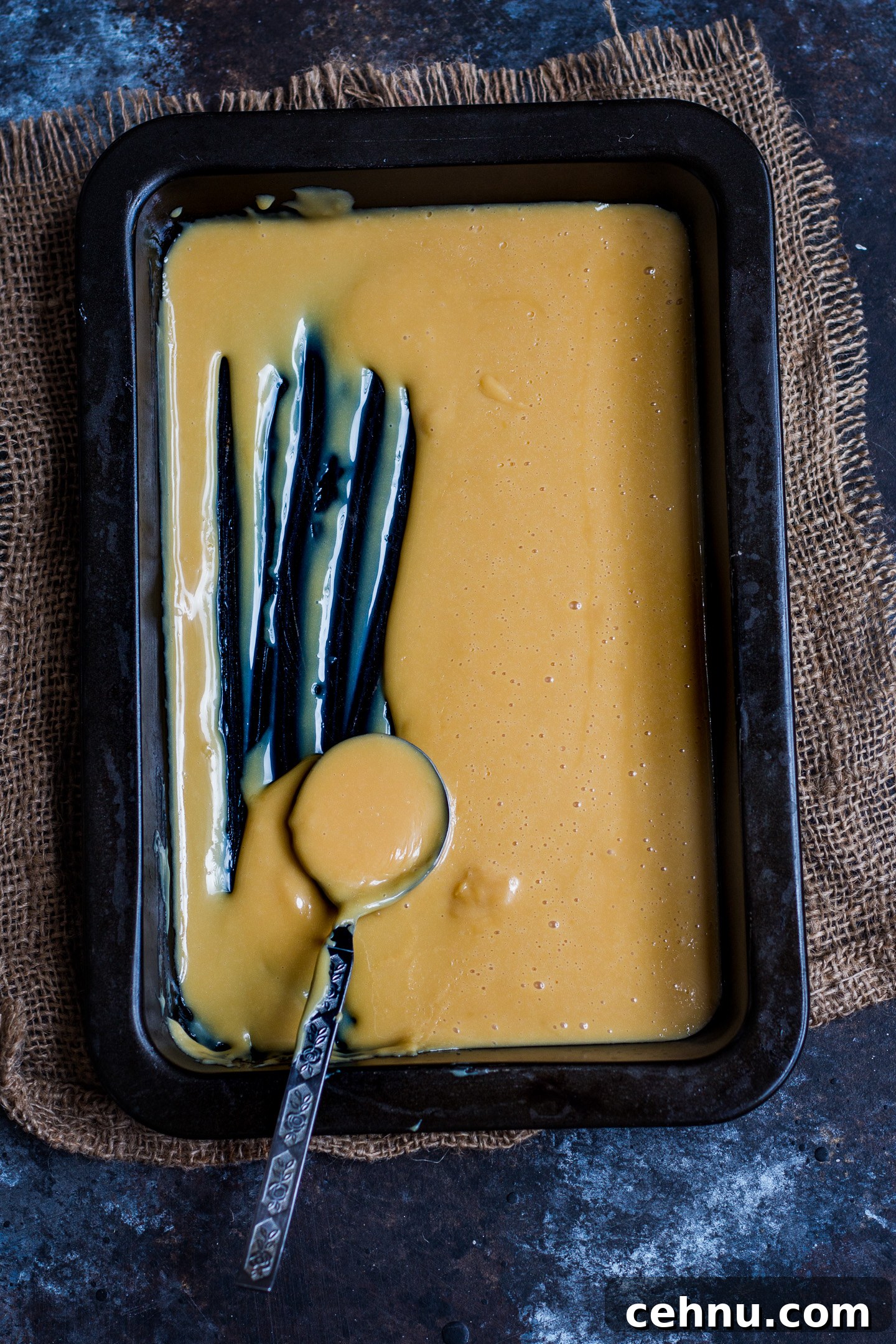
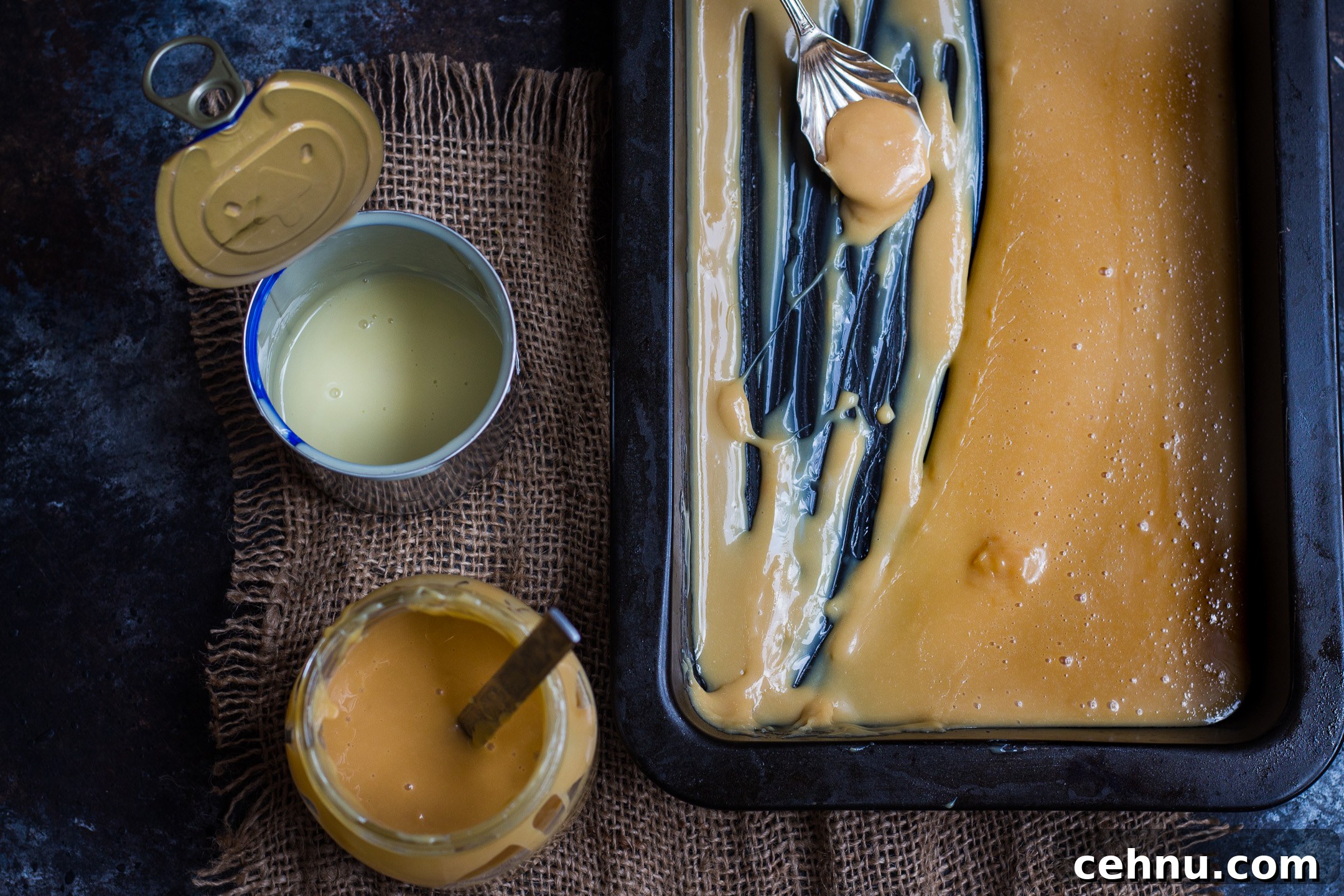
Why does so much of South American cuisine feel impossibly beautiful? Part of the answer must be dulce de leche: a luscious, glossy spread made by gently transforming sweetened condensed milk into a thick, caramel-coloured confection with a rich, deep caramel flavour. Its appeal is immediate—simple to make and endlessly versatile.
Dulce de leche is silky enough to drizzle over ice cream, thick enough to sandwich between cookies, and flexible enough to be folded into frostings, fillings or used straight from a spoon. Once you make a batch, you’ll find dozens of excuses to include it in desserts and breakfasts alike.
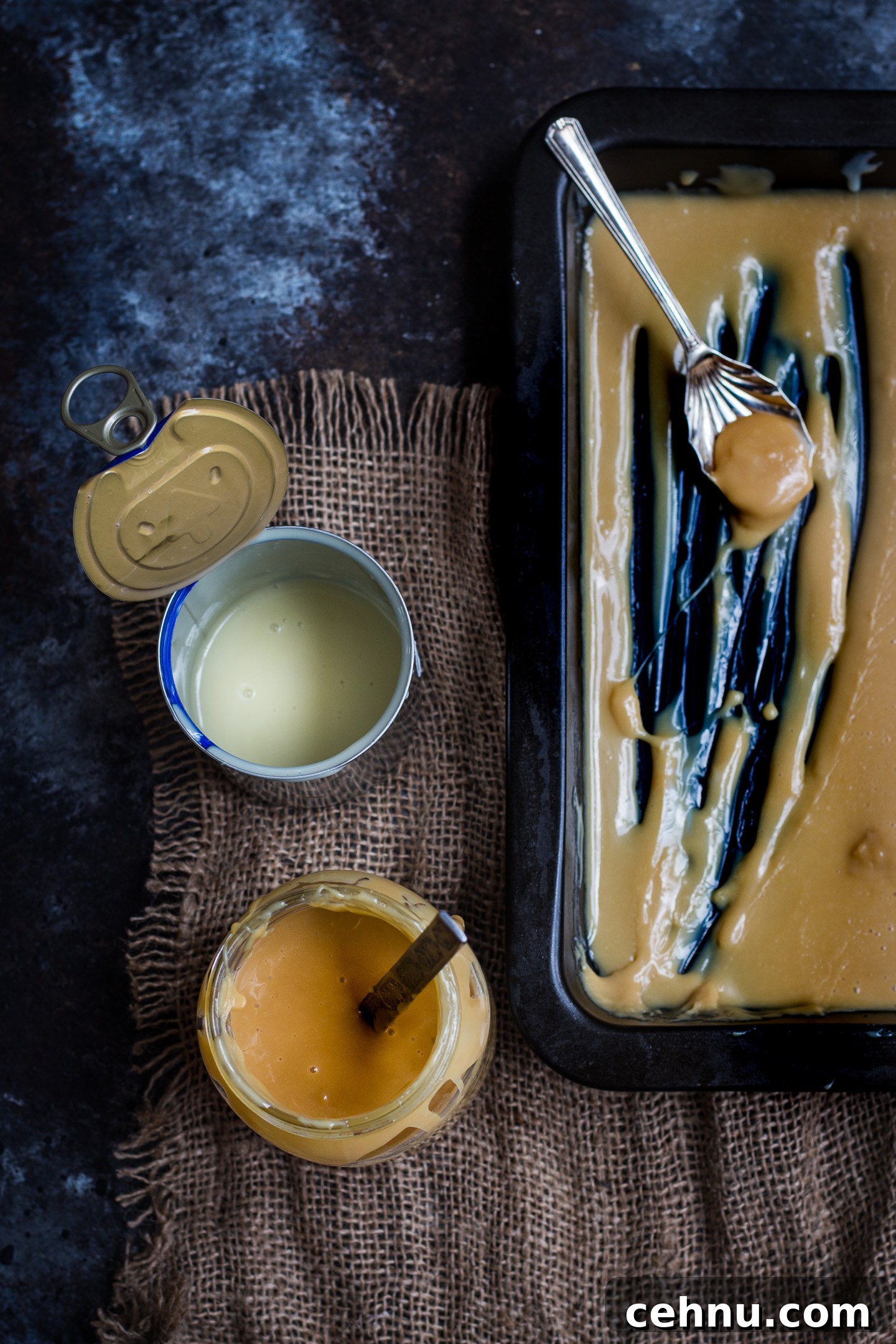
- 2 x 395g cans sweetened condensed milk
- Preheat your oven to 220°C (425°F). Prepare an oven-safe baking dish large enough to hold both cans opened side by side or pour the condensed milk into a shallow ovenproof dish—use one with high sides to reduce splatter.
- If using cans, remove labels and place the sealed cans in a deep roasting pan. If using opened condensed milk, pour it into the prepared dish and cover tightly with aluminium foil to prevent a skin forming. For either method, cover the tray or cans tightly so steam cannot enter.
- Place the tray or cans into a larger deep pan and pour boiling water into the outer pan until it reaches about halfway up the sides of the cans or dish. This bain-marie (water bath) creates gentle, even heat and helps prevent scorching.
- Bake for about 1 hour 45 minutes. Check the water level occasionally and carefully top up with more boiling water as needed so the bath doesn’t dry out. The condensed milk will gradually darken to a golden-brown colour and thicken.
- When the colour is even and the texture looks glossy and thick, remove the pans from the oven. If you used sealed cans, let them cool completely before opening to avoid hot pressurised liquid. If you used an open dish, remove the foil and whisk the dulce de leche until smooth and uniform.
- Transfer the spread to a sterilised jar, seal and refrigerate. Stored in the fridge, it will keep for up to two weeks. For longer storage, freeze in airtight containers for up to three months—thaw in the fridge before using.
Tips and notes: use a deep, sturdy roasting pan for the water bath and be cautious when adding boiling water. If you prefer a lighter caramel, reduce the baking time slightly; for a darker, more intense flavour, extend it while keeping an eye on the colour. If you want a smoother finish, warm the dulce de leche slightly and whisk vigorously or blend briefly with an immersion blender. Adding a pinch of flaky sea salt after whisking creates a wonderful salted-caramel contrast.
Variations: you can stir in a splash of vanilla extract once the dulce de leche is cool for a rounded aroma, or fold in melted dark chocolate for a chocolate-caramel spread. For a quick stovetop alternative, cook sweetened condensed milk in a covered pot over very low heat, stirring frequently, until it thickens and browns—this requires more attention but gives you direct control over colour and consistency.
Serving suggestions: spread dulce de leche between cookie layers for sandwiches, use it as a filling for crepes or pancakes, swirl it into yoghurt or porridge, or simply offer it as a dip for sliced apples and bananas. It also makes an excellent companion to coffee-flavoured desserts and pairs beautifully with nuts, particularly toasted almonds and pecans.
Storage and food safety: always cool hot containers before opening to avoid burns from pressurised steam. Keep the finished dulce de leche refrigerated in a clean, airtight jar and use a clean spoon to serve so it stays fresh. If you notice any off smells, mould, or unusual texture, discard it.
With a little patience and minimal equipment, you can make a batch of dulce de leche at home that will elevate simple desserts and breakfasts. Once you’ve tried it warm and spooned over vanilla ice cream or folded into whipped cream, you’ll understand why it’s such a beloved pantry treat across many kitchens.