This post may contain affiliate links, please see our privacy policy for details
Staying well-hydrated supports energy, focus, and overall wellbeing. However, not all approaches to hydration are equally effective. This article outlines practical, science-aligned strategies to improve your daily hydration routine so you feel better, perform at your best, and avoid common pitfalls.
Choose a Quality Water Source
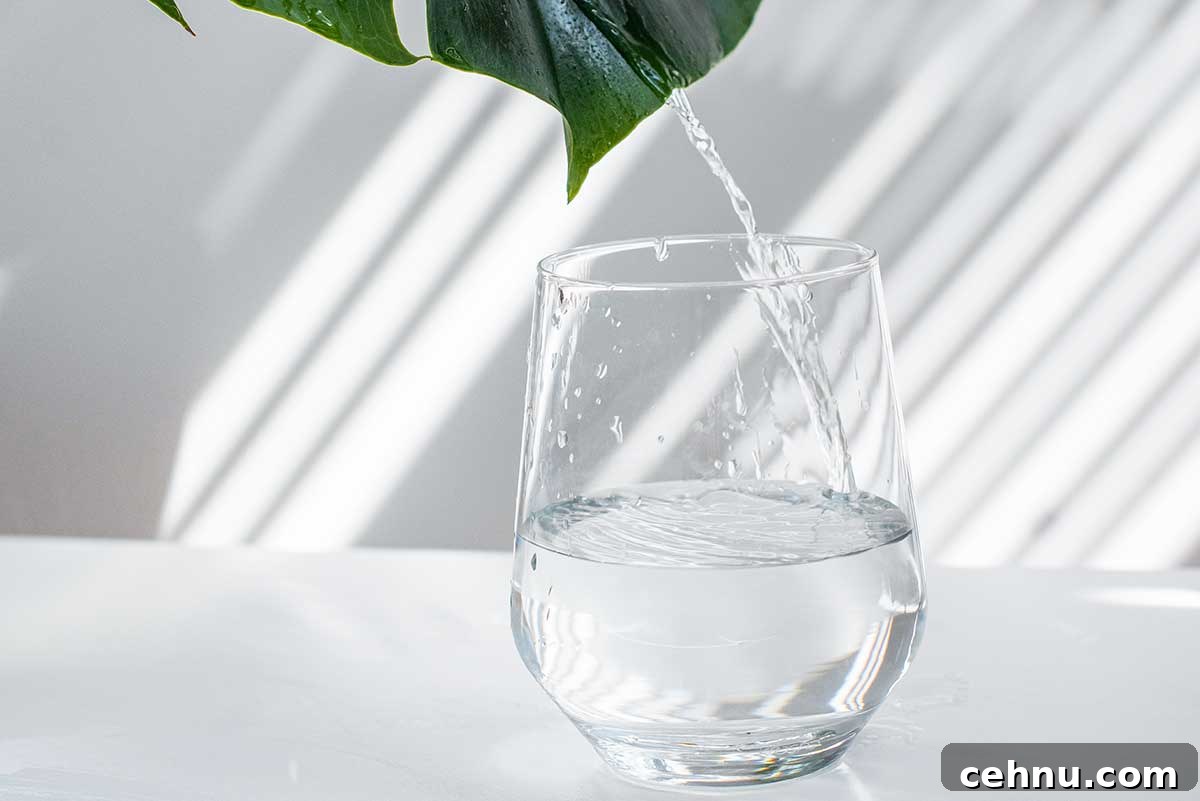
Quality matters when it comes to your drinking water. Tap water can sometimes contain unwanted contaminants or tastes from chlorine and older plumbing. If you have concerns about your tap water, consider filtered options or bottled water. Professional gravity and multi-stage filters can reduce chemicals and impurities and improve taste, making it easier to drink enough each day.
Add Flavor to Your Water
If plain water feels boring, add natural flavor to make it more appealing. Infuse water with slices of lemon, cucumber, berries, or sprigs of mint, basil, or ginger. These simple additions enhance taste without adding large amounts of sugar, helping you drink more throughout the day.
Eat Hydrating Foods
Many fruits and vegetables have high water content and count toward your fluid intake. Cucumbers, lettuce, tomatoes, watermelon, strawberries, oranges, grapes and salads made with watery greens are easy ways to boost hydration while adding vitamins and fiber. Including these foods in meals and snacks supports steady hydration without relying only on drinks.
Use an App for Tracking Hydration
Hydration-tracking apps and reminders can help you form consistent habits. Choose a simple reminder app or a tracker that logs daily intake so you can monitor progress and adjust your goals based on activity level and weather.
Drink Before You Feel Thirsty
Thirst is a late sign of dehydration for many people. Aim to sip water regularly throughout the day rather than waiting to feel thirsty. Regular, small sips are often more effective than occasional large drinks for maintaining steady fluid balance.
Carry a Water Bottle
Keeping a reusable water bottle with you makes sipping convenient and visible. Stainless steel or glass bottles keep drinks fresh and reduce single-use plastic. Having a bottle at hand encourages frequent drinking, especially during long commutes or busy workdays.
Get Creative With Your Hydration Routine
Variety keeps hydration interesting. Try herbal teas, sparkling water, coconut water, or fruit- and vegetable-based smoothies. These alternatives can add nutrients or different flavors while contributing to your daily fluid target.
Avoid Drinks High in Sugar and Excess Caffeine
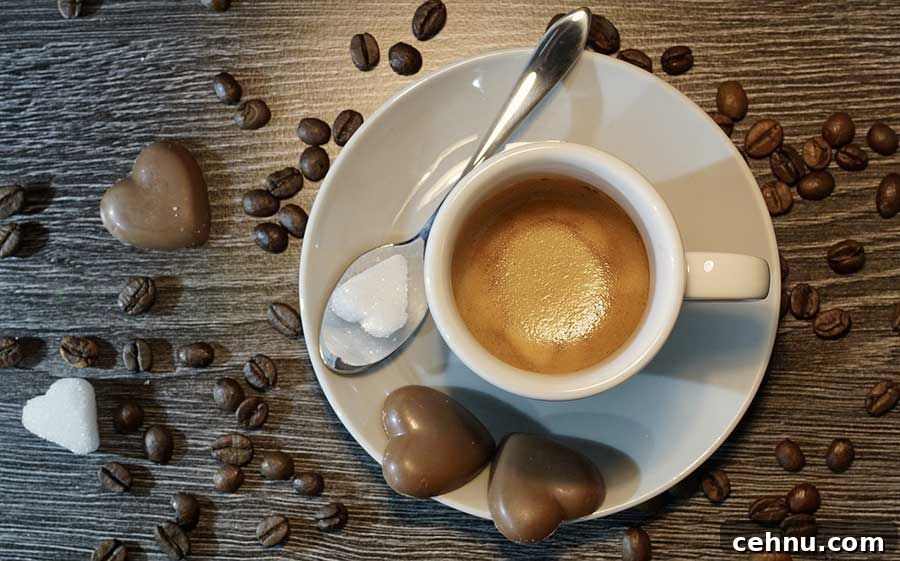
Beverages with a lot of added sugar or high caffeine content can work against hydration goals. Sugary sodas and many energy drinks can lead to energy crashes, and some caffeinated drinks have mild diuretic effects when consumed in large quantities. Choose water, diluted juice, or lower-caffeine teas for steadier hydration.
Start Your Day with a Glass of Water
Drinking a glass of water first thing in the morning helps rehydrate after sleep, supports digestion, and can boost morning alertness. Making it a simple daily ritual increases your total intake without effort.
Listen to Your Body
Pay attention to signals like persistent thirst, dry mouth, dizziness, or unusually dark urine. These can indicate a need for more fluids. If you have medical conditions that affect hydration, consult a healthcare professional for personalized guidance.

Adjust Intake for Activity and Climate
Exercise and hot or humid weather increase fluid needs. Drink before, during, and after prolonged or intense activity. For long workouts, consider beverages that contain electrolytes to help replace sodium and potassium lost through sweat.
Sip Water All Day Long
Frequent sipping maintains hydration more effectively than occasional large quantities. Carry water with you, set gentle reminders, and make small, regular drinking moments part of your routine.
Have a Glass of Water Before Meals
Drinking a glass of water before meals helps with hydration and can modestly reduce appetite, supporting portion control. If you tend to feel thirsty during meals, include water with your courses to stay comfortable.
Set a Daily Water Target
Establish a realistic daily target and track your progress. A common starting point is roughly eight 8-ounce glasses, but individual needs vary with body size, activity, diet, and climate. Use a tailored target and adjust it as needed.
Use Oral Hydration Solutions When Needed
Specialized oral rehydration solutions can be helpful for people with certain medical conditions or during illnesses that cause heavy fluid loss. These products restore fluid and electrolytes more effectively than plain water in some situations; consult a healthcare provider if you think you need one.
Watch Urine Color
Urine color is a simple indicator of hydration. Pale yellow to clear urine typically signals adequate hydration, while darker yellow suggests you may need more fluids. Factors like vitamin supplements can also change urine color, so consider all factors when assessing hydration.
Choose an Appealing Water Bottle
An attractive, well-designed bottle can encourage more frequent sipping. Bottles with measurement markings or built-in trackers can help you monitor intake throughout the day and reach your goals more easily.
End the Day with a Small Glass of Water
A modest glass of water before bed can help prevent overnight dehydration. If you’re sensitive to nighttime bathroom visits, keep portions small and time your last drink accordingly.
Find an Accountability Partner
Sharing hydration goals with a friend or family member can boost motivation. Swap tips, reminders, and progress updates to stay consistent and make the habit stick.
Try Herbal Teas
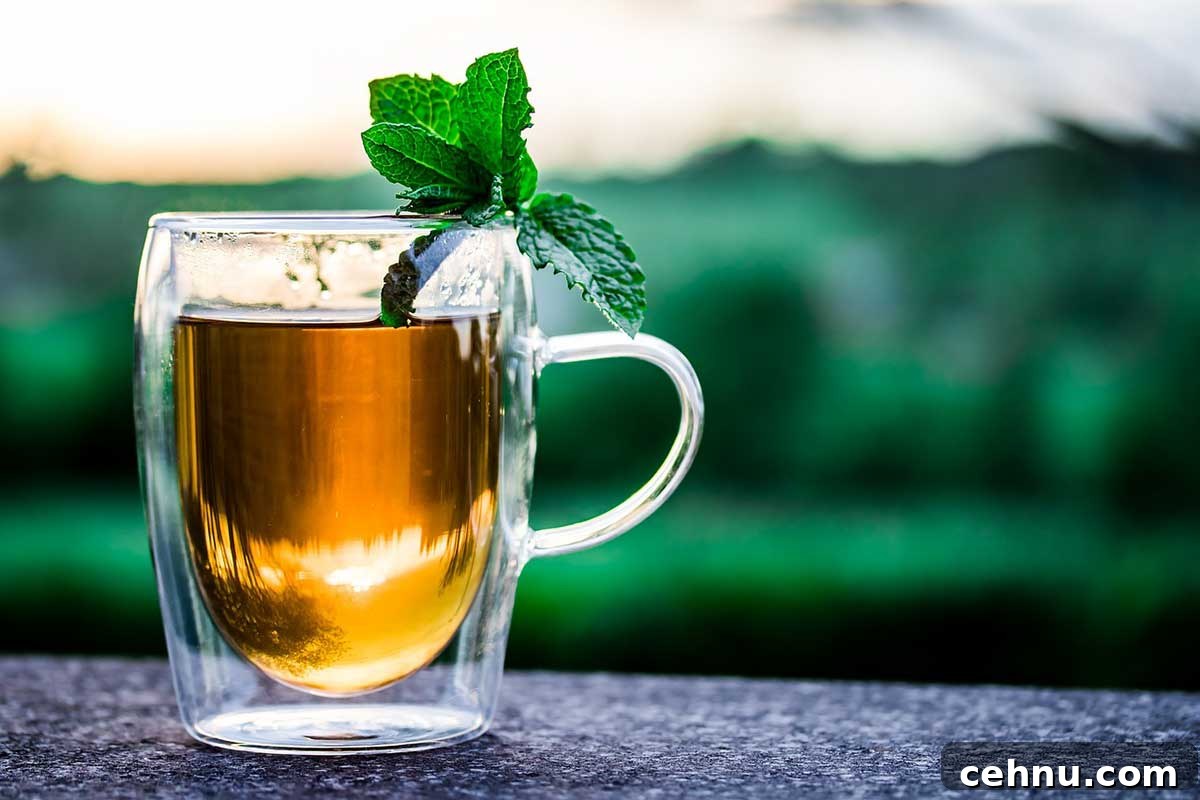
Herbal teas offer hydration with added variety and potential health benefits. Chamomile, peppermint, rooibos and other caffeine-free options hydrate while providing calming or digestive-supporting compounds. Enjoy them hot or iced as part of your daily fluid intake.
Place Water Where You’ll See It
Keep pitchers, glasses, or bottles in places you visit often: kitchen counters, workspaces, bedside tables, and the car. Visible water increases the likelihood you’ll drink it regularly.
Replenish After Bathroom Breaks
Because fluid loss occurs with urination and bowel movements, taking a moment to drink a small glass of water after bathroom visits is an easy habit to support steady hydration.
Monitor Weight Around Intense Activity
When participating in long or intense exercise, weighing yourself before and after can help estimate sweat losses. Replenish based on that loss—roughly one pound of weight change often corresponds to about 16 ounces of fluid—to restore balance safely.

Limit Alcohol
Alcoholic drinks can increase urine production and contribute to dehydration. Limiting alcohol intake and alternating alcoholic beverages with water helps reduce this effect.
Keep Your Bedroom Cool
A cooler sleeping environment reduces night sweats and fluid loss. Use breathable bedding and light sleepwear, and adjust room temperature to stay comfortable without losing extra fluids overnight.
Make Hydration Part of Your Daily Routine
Regular reminders, consistent placement of water, and simple rituals—like a glass on waking and a glass before sleep—make hydration automatic. Over time these small habits lead to steady, reliable fluid intake.
Conclusion
Prioritizing hydration supports energy, cognition, digestion, and overall health. Use a combination of quality water, flavored options, hydrating foods, convenient bottles, tracking tools, and small routines to stay consistently hydrated. If you have medical concerns or special hydration needs, consult a healthcare professional for personalized guidance.
Disclaimer: This article is not intended to provide medical advice, diagnosis, or treatment. Views expressed here do not necessarily reflect those of only gluten-free recipes or its staff.
Let’s Connect! Be sure to follow us on social media channels. Many thanks!
Kristina xx