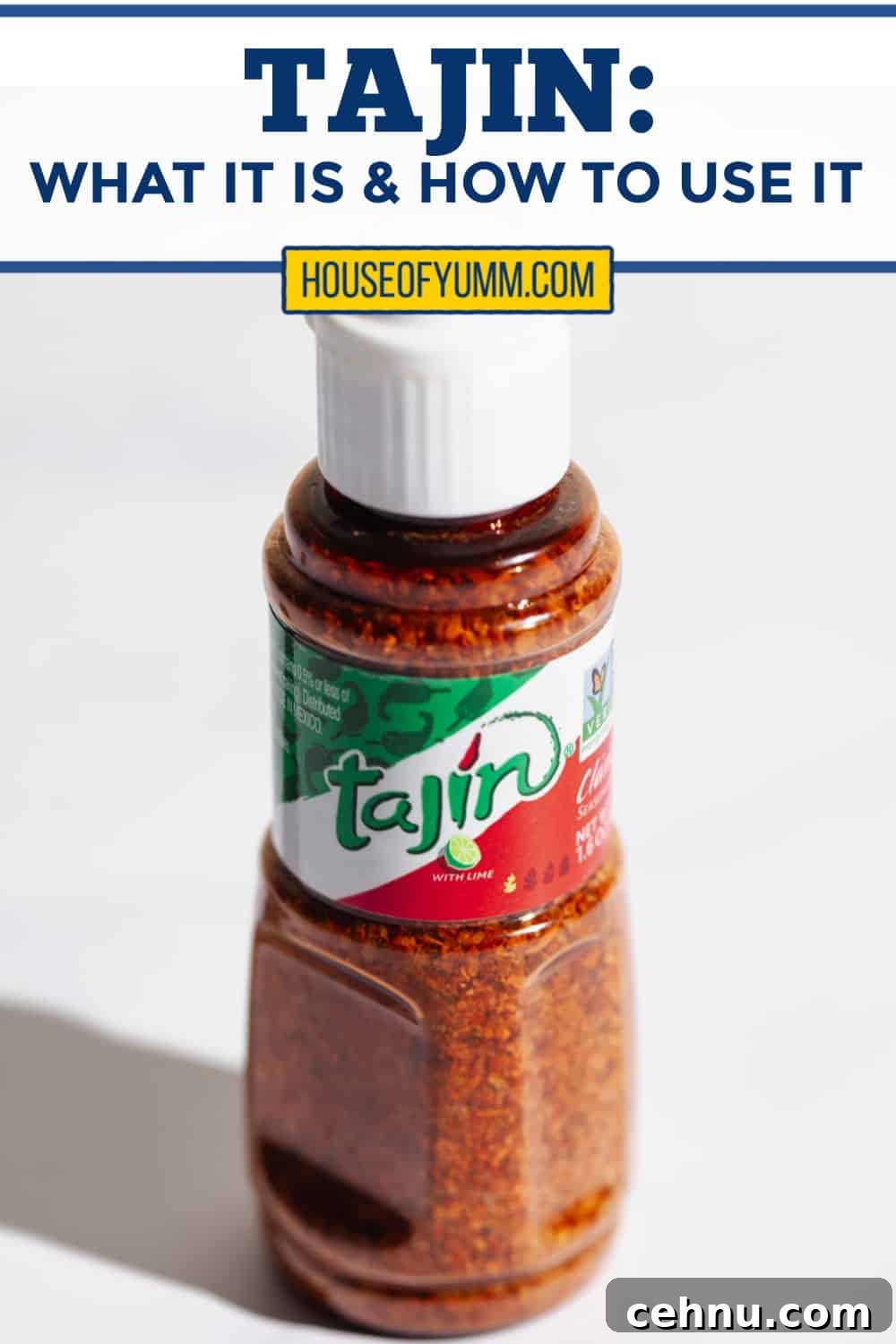
Learn all about Tajín, the popular Mexican chile-lime seasoning. Discover what it is, why it’s beloved, practical ways to use it, and an easy homemade blend you can make and store yourself.
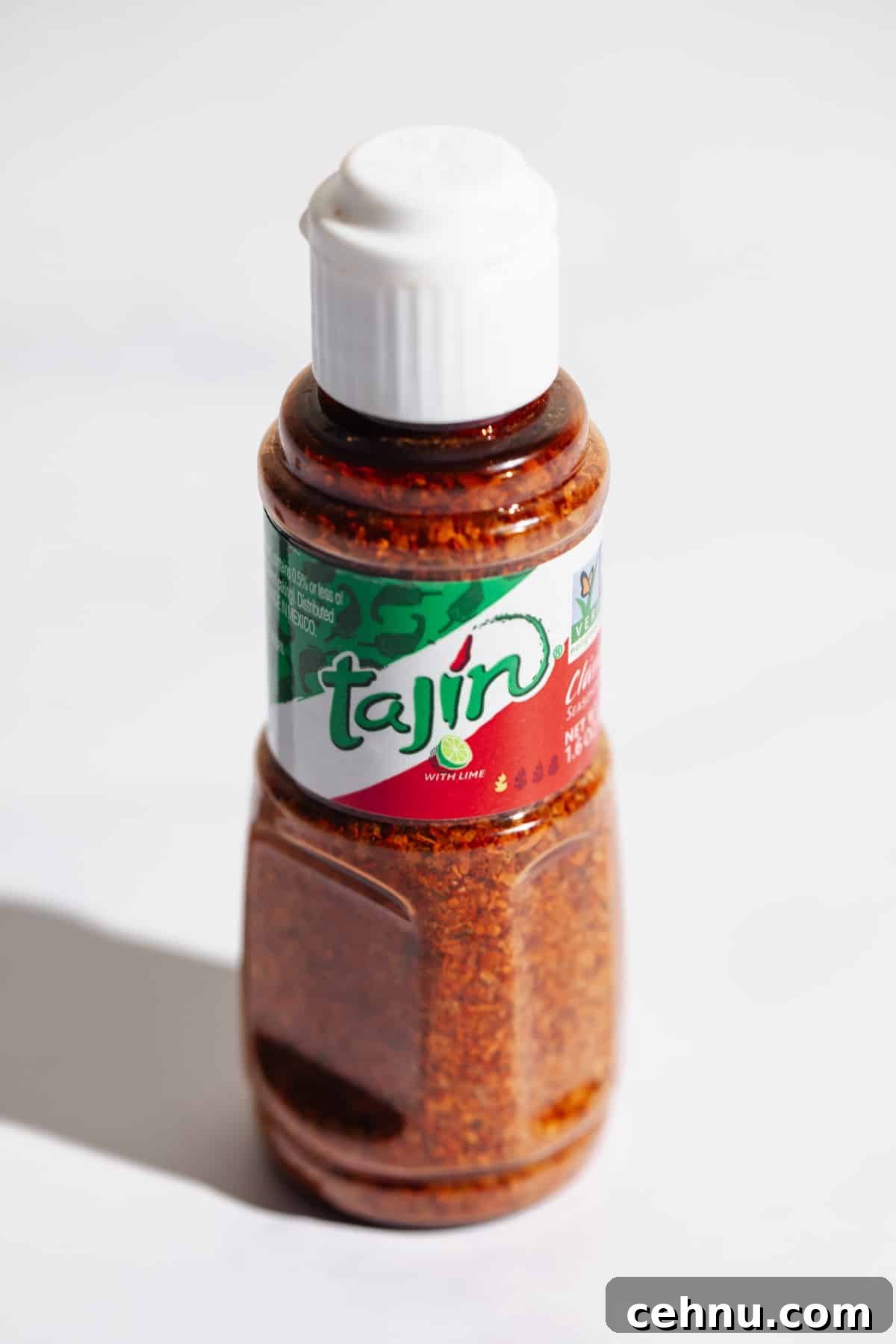
What is Tajín Seasoning?
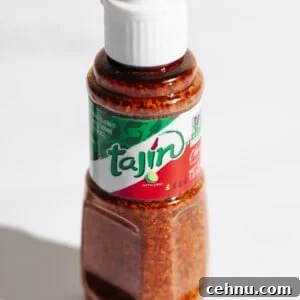
Tajín (pronounced ta-heen) is a Mexican seasoning blend made from dried, ground red chiles, sea salt, and dehydrated lime. Its bright red color and tangy, mildly spicy flavor make it instantly recognizable on fruit, snacks, and a variety of dishes.
The blend combines two hallmark elements of Mexican flavors: chile heat and citrus brightness. The result is a balance of spicy, salty, and tart notes that enhances both sweet and savory ingredients.
How to use Tajín
Tajín is most commonly sprinkled on fresh fruit like mango, pineapple, watermelon, and citrus segments, where the salt and lime accentuate the fruit’s natural sweetness. But its uses extend far beyond fruit.
- Season grilled meats, fish, or shrimp for a quick flavor boost.
- Sprinkle on roasted or grilled vegetables to add depth and brightness.
- Use as a finishing salt for tacos, tostadas, or bowls.
- Rim cocktail glasses—Tajín works particularly well on margaritas and other tequila- or mezcal-based drinks.
- Sprinkle on popcorn, chips, or roasted nuts for a tangy snack.
- Add to salsas, guacamole, or dressings to lift acidity and add a subtle chile note.
When using Tajín, start with a light hand and adjust to taste. Because it contains salt and concentrated citrus, a little goes a long way. It pairs especially well with sweet and neutral foods that benefit from an acidic, spicy contrast.
Recipes that Feature Tajín

Mangonada
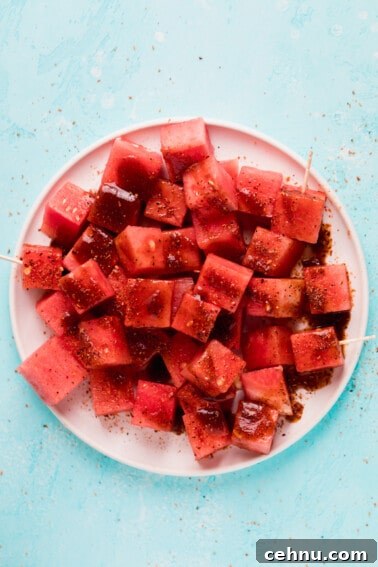
Watermelon and Tajín
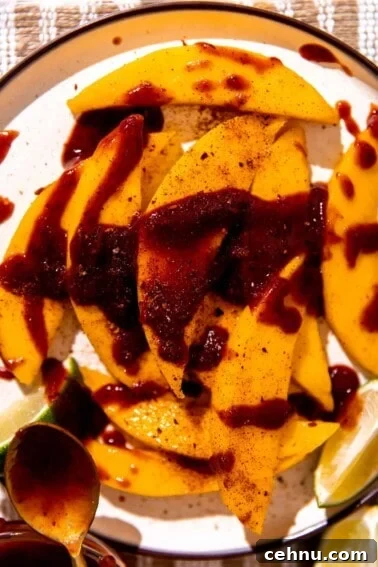
Homemade Chamoy Sauce
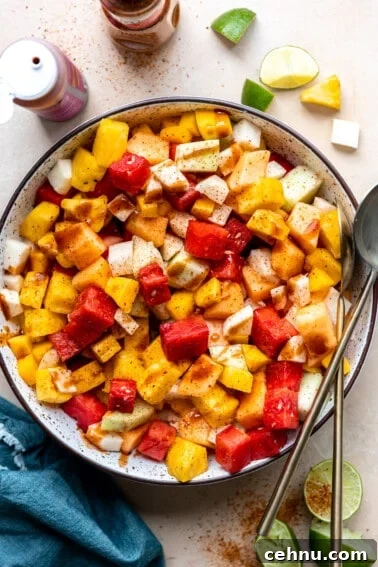
Mexican Fruit Salad
Other practical ideas: mix Tajín into guacamole, use it on cucumber or jicama slices, dust pineapple or mango with it, or sprinkle over roasted corn. It also makes an excellent ingredient for spice rubs and marinades, especially when combined with olive oil, citrus juice, or honey.
What kinds of Tajín are available?
The original Tajín Clásico is the most widely known version, prized for its familiar balance of chile, lime, and salt. Variations exist to suit different preferences:
- Low-sodium versions for those watching salt intake.
- Spicier blends made with hotter chiles (for example, habanero blends) for people who prefer more heat.
When trying a new version, sample a small amount first to gauge the heat and acidity, then adjust quantities in recipes accordingly.
Where Can I Find Tajín Seasoning?
Tajín and similar chile-lime seasonings are now commonly available in many supermarkets and specialty stores. Look in the produce section, near fresh fruit and vegetables, or in the international/Hispanic foods aisle. If you prefer, you can make a simple homemade version with chile powder, salt, lime powder, and a touch of sugar—see the quick recipe below.
Homemade Tajin Seasoning
Ingredients
- 1 tablespoon sea salt
- 2 teaspoons lime powder (or dehydrated lime zest powder)
- 2 tablespoons guajillo chile powder (or other mild red chile powder)
- 1 tablespoon sugar (optional, to taste)
- 1 teaspoon paprika (smoked or sweet; swap for cayenne for more heat)
Instructions
- Add the chile powders, salt, lime powder, sugar (if using), and paprika to a bowl.
- Stir well to combine until the mixture is evenly blended. Taste and adjust salt, lime, or sugar as desired.
- Store in a sealed jar in a cool, dry place and use as needed to season fruit, snacks, meats, or drinks.
Equipment
- Mixing bowl and spoon
- Measuring spoons
- Sealable jar for storage
Notes
Paprika: Paprika is mild and adds color; substitute cayenne for more heat. For a smokier flavor, use smoked paprika.
Storage: Spices lose potency over time. Store this blend in an airtight container away from heat and direct sunlight. Using it within three months will ensure the best flavor, though it remains usable longer.
Taste tips: If the blend tastes too salty or sharp, add a pinch of sugar or a bit more chile powder to balance. If you want more citrus brightness, increase the lime powder slightly.
Nutrition (approx.)
Calories: 52 kcal | Carbohydrates: 13 g | Protein: 0.3 g | Fat: 0.3 g | Sodium: 6978 mg (per batch—varies by salt used)
Nutrition information is an approximation and will vary depending on exact ingredients and serving size.