Cook Once, Eat All Week is a practical, month-long meal prep series designed to simplify healthy cooking. Focused on Paleo-friendly, budget-conscious recipes, this free guide helps you prepare flavorful, nutritious meals efficiently so you can spend less time in the kitchen and more time enjoying wholesome food.
We built this series around efficiency and accessibility. The recipes avoid flour, expensive pre-made sauces, and costly cuts of meat, so the plan is intentionally budget-friendly. Everything is squeaky-clean Paleo-friendly, which makes it compatible with many healthy eating protocols.
This meal prep approach is also highly practical. The days spent preparing and photographing the recipes were some of the easiest in the kitchen—designed so that bulk cooking yields the maximum number of ready-to-eat meals with a minimum of fuss. The series is a great way to stock a freezer or fridge full of meals you can rely on throughout busy weeks.
How the Cook Once, Eat All Week Meal Prep Plan Works
The plan is organized week-by-week and centers on three core components you prepare in bulk, plus several creative meals that use those bases.
- Three Base Recipes: a protein, a starchy vegetable or veggie-based starch, and a vegetable, all prepared in bulk to save time.
- Three Unique Meals: using the base ingredients with a few strategic add-ins and seasonings to create distinct dinners.
- Complete eBook: a downloadable eBook (available to newsletter subscribers) includes shopping lists, a bonus breakfast idea, and additional ways to use the base recipes throughout the week.
Cook Once, Eat All Week Recipes
Week 1: Ground Beef, Kale, and Russet Potatoes
Week 1 focuses on ground beef, kale, and russet potatoes prepared in bulk and transformed into three different dinners. The base recipes provide flexible building blocks for meals like loaded potatoes, a breakfast-style hash, and a vegetable-packed shepherd’s pie.
- Week 1 base recipes: ground beef, kale, russet potatoes
- BBQ bacon burger loaded potatoes
- Taco breakfast hash
- Veggie-loaded shepherd’s pie
Week 2: Chicken, Butternut Squash, and Brussels Sprouts
Week 2 uses shredded chicken breast, roasted butternut squash, and roasted Brussels sprouts to create warm, comforting meals. The bases can be turned into stuffed squash, flavorful grain bowls, or a spiced squash soup.
- Week 2 base recipes: shredded chicken, roasted butternut squash, roasted Brussels sprouts
- Sonoma-style chicken stuffed butternut squash
- Hoisin-style chicken bowls
- Curried butternut squash soup
Week 3: Shredded Pork, Plantains, and Red Bell Peppers
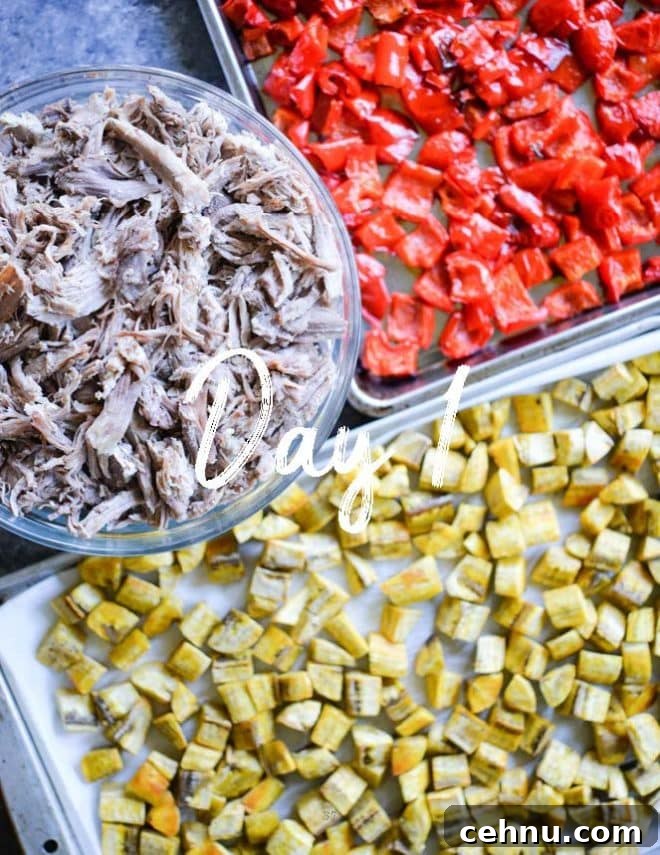
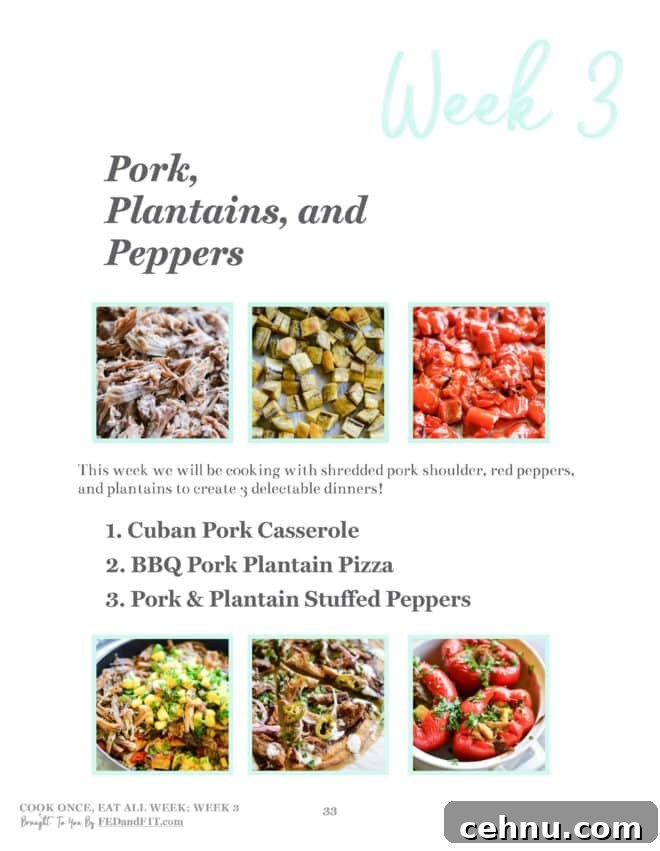
Week 3 highlights shredded pork, ripe plantains, and red bell peppers. These bases are versatile enough for casseroles, flatbread-style “pizzas,” and stuffed-pepper dinners that showcase bold flavors and contrasting textures.
- Week 3 base recipes: shredded pork, roasted plantains, sautéed red bell peppers
- Cuban-style pork and plantain casserole
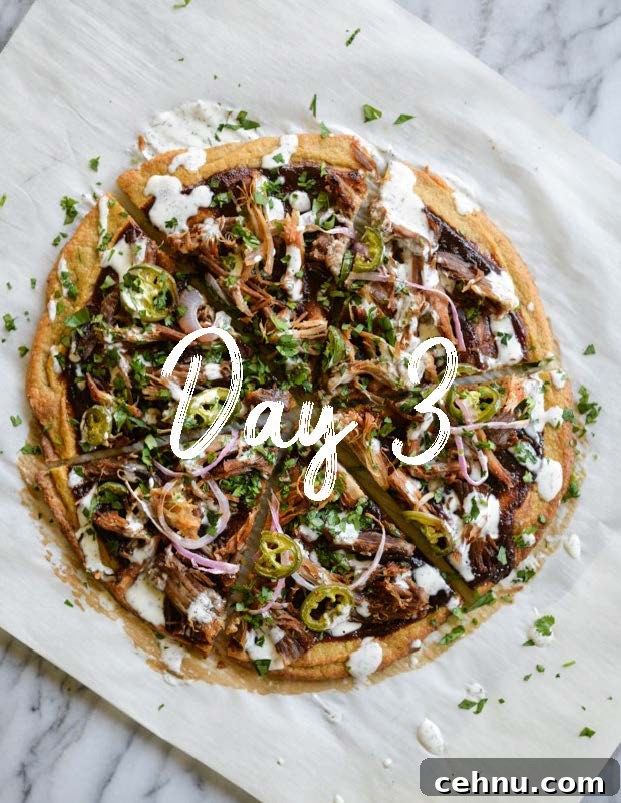
- BBQ pulled pork “pizza”
- Carnitas stuffed peppers
Week 4: Chicken, Spaghetti Squash, and Spinach
Week 4 offers lower-carb options with shredded chicken thighs, baked spaghetti squash, and sautéed spinach. These bases make easy casseroles, breakfast egg cups, and hearty squash bowls with a spicy or creamy finish.
- Week 4 base recipes: shredded chicken thighs, spaghetti squash, spinach
- Chicken carbonara spaghetti squash casserole
- Balanced breakfast egg cups
- Buffalo chicken spaghetti squash bowls
Reheating Tips
- For best texture: reheat foods using the same method you used to cook them. Baked dishes return to the oven until warmed through. Pan-cooked dishes reheat in a covered skillet over low to medium heat until hot. For frozen dishes, placing them in a cold oven and bringing it up to 350°F helps defrost and warm more evenly.
- For speed: use the microwave for 1–2 minutes for a single serving from chilled. From frozen, add an extra minute or two depending on portion size. Transfer from plastic to glass or ceramic before microwaving whenever possible for safer reheating.
How to Freeze Your Meal Prep
- Freezing in bulk: let dishes cool completely, wrap with parchment or wax paper, then seal with plastic wrap and label with the name and date. Most frozen meals maintain quality for up to five months. Reheat directly from frozen or defrost first before reheating according to the methods above.
- Freezing single servings: cool completely, portion into individual containers, seal and label. Choose BPA-free food storage containers that stack well in the freezer. When ready to eat, transfer portions to glass or ceramic for reheating and follow the recommended reheating method for best results.
This Cook Once, Eat All Week series aims to empower your kitchen confidence with repeatable, time-saving strategies and flavorful meal ideas. By prepping a few core components each week, you’ll have multiple healthy meals ready to go—saving time, money, and stress.
xo, Cassy Joy
Favorites at Fed and Fit
- One pot pasta with Italian sausage and kale
- Slow cooker smothered pork chops
- Gluten-free crispy orange chicken
- Paleo pumpkin chicken curry
- Pumpkin turkey Paleo chili
- Chicken enchilada casserole