I love oranges—their bright, fragrant zest and sweet-tart juice make them a favorite in baked goods, custards, hot drinks, and more. While a squeeze of fresh orange can brighten many dishes, some recipes benefit from a more concentrated orange flavor. That’s when a well-made orange liqueur, like Grand Marnier, becomes invaluable.
Grand Marnier is essentially orange essence blended with brandy. The alcohol extracts and carries flavor compounds that water or fat alone cannot, unlocking a depth and roundness in fruits such as oranges, strawberries, peaches, and berries. A modest addition of an orange liqueur can lift a dessert or cocktail from good to outstanding.
A simple homemade Grand Marnier clone lets you control ingredients and intensity, and it can be made with straightforward pantry items. Below I explain the rationale, timeline, and method for making a flavorful, well-balanced orange liqueur at home. Plan ahead: this is an aging project, and time makes a difference.
- If you’ve run out of store-bought orange liqueur after entertaining, a homemade batch will refill your cabinet. It’s cost-effective and tastes great.
- If you enjoy crafting your own pantry staples, this recipe is a satisfying DIY project. With good-quality brandy and carefully zested oranges, you can produce a liqueur with excellent depth and aroma.
One important note: this liqueur improves with age. Minimum aging is about two months, but three to six months yields a smoother, more integrated flavor. If you want to taste early, split the batch and age one portion longer—use the younger portion in blended cocktails where bright, direct orange notes are welcome.
Homemade Grand Marnier Clone — Ingredients and Method
This homemade Grand Marnier clone is an orange-flavored brandy liqueur that pairs beautifully with desserts, coffee, pastries, and cocktails. Use the best brandy or cognac you can afford for the smoothest sipping result.
Ingredients:
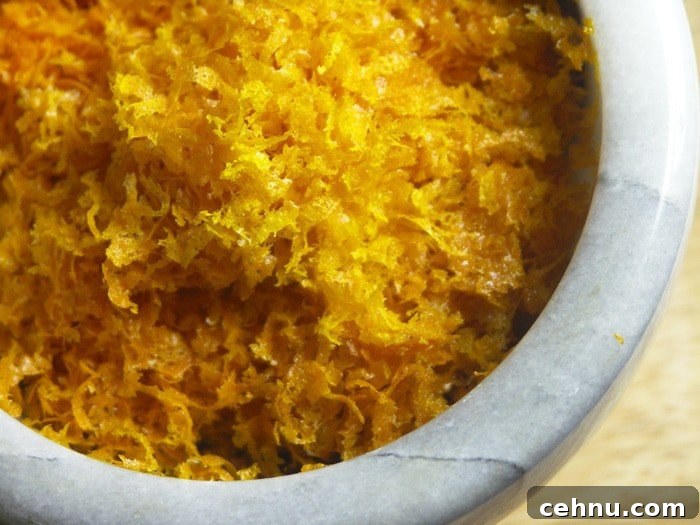
- Zest of 8 large oranges (washed and dried; remove only the colored zest, avoiding the bitter white pith)
- 1 cup granulated white sugar
- 4 cups brandy or cognac (higher-quality spirit yields a smoother finished liqueur)
- Optional: 1 teaspoon liquid vegetable glycerin (for a slightly silkier mouthfeel)
Preparation:
1. Zest the oranges carefully, avoiding the pith. Gather the zest in a clean bowl.
2. Sprinkle about 1/4 cup of the sugar over the zest. Using a pestle or the back of a heavy spoon, muddle the zest and sugar together until the mixture becomes fragrant and almost paste-like. Add the remaining sugar in 1/4 cup increments, continuing to press and mix until the zest is well coated and the sugar is aromatic.
3. Transfer the sugared zest to a large, clean jar with a tight-fitting lid. Pour the brandy over the zest and stir or swirl gently to combine. Seal the jar.
4. Store the jar in a cool, dark place and age for at least 2 months, shaking the jar gently once a week to keep the infusion active. For best results, age 3–6 months; the longer it rests, the more integrated and mellow the flavors become.
5. After a minimum of 4 weeks (longer is better), strain the liqueur through a fine-mesh strainer into a clean bowl or measuring cup with a spout. Rinse the strainer and the aging jar to capture any remaining liquid. For a clearer liqueur, line the strainer with cheesecloth or a clean tea towel and strain again as you pour the liquid back into the aging jar.
6. If you choose to use glycerin, stir in about 1 teaspoon now to add a velvety texture. Cap the jar tightly and continue to age for another 1–3 months if desired. Taste periodically; when the flavor has reached the balance and smoothness you prefer, decant and seal for storage.
Serving and gifting suggestions: Use this liqueur in custards, pastry creams, crêpes, tiramisu, glazes, or cocktails. For a thoughtful gift, decant the finished orange liqueur into an attractive bottle with a cork or stopper and present it with a ribbon.
This homemade orange liqueur is an easy, rewarding kitchen project. With good ingredients and patience, you’ll have a richly flavored, versatile liqueur that enhances desserts and drinks alike.