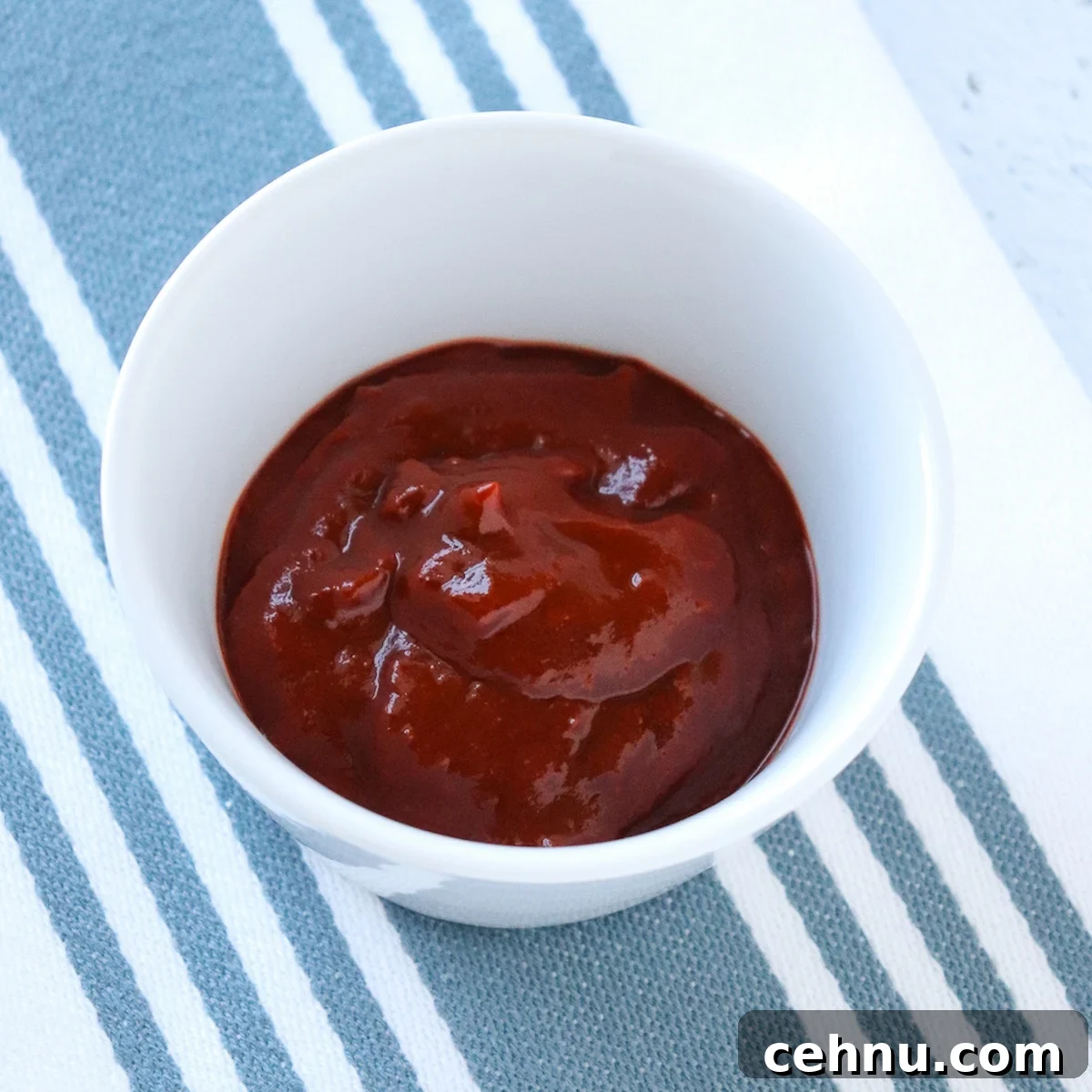
Simple step-by-step instructions on how to make ancho chile puree from dried peppers.
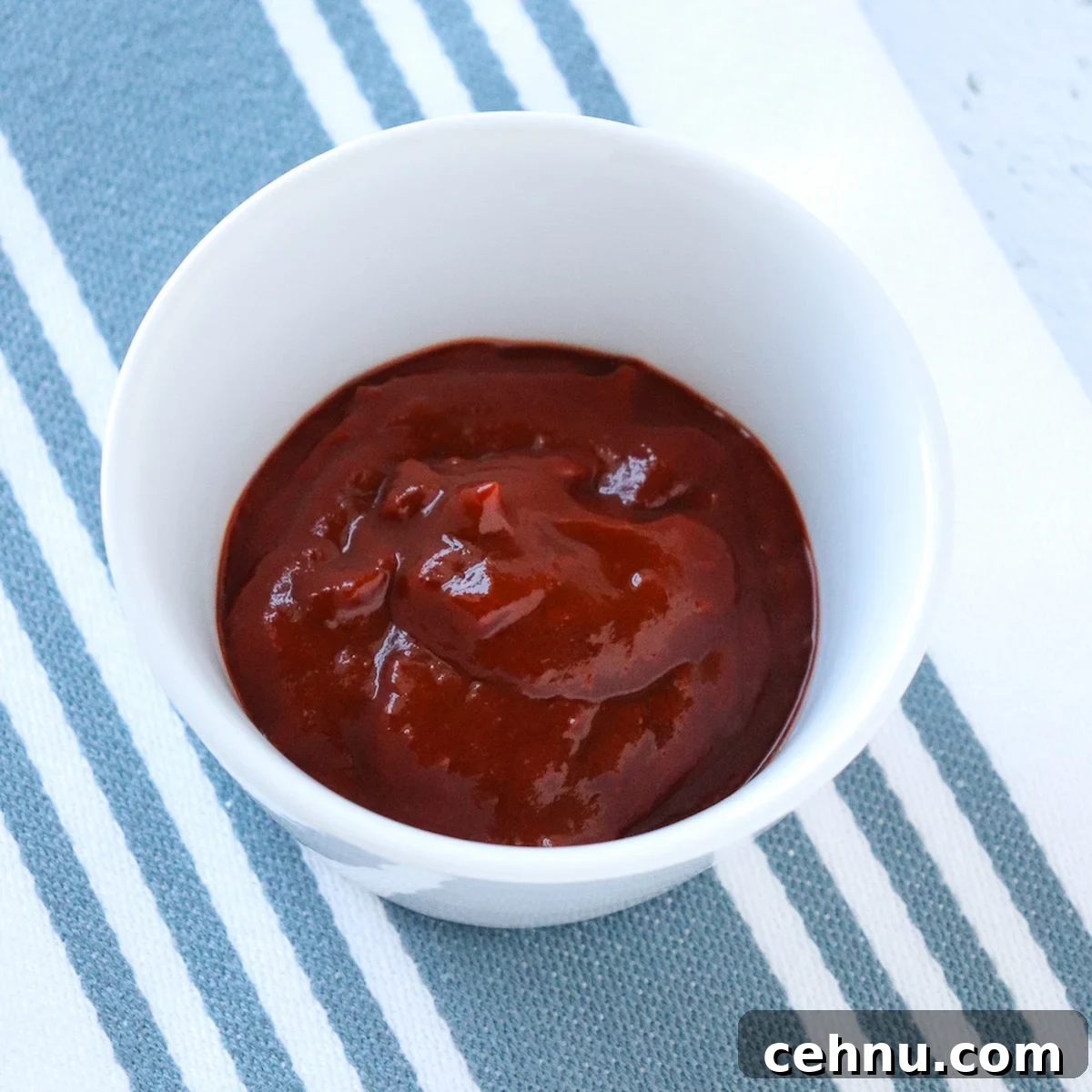
I use ancho chile puree in several recipes on My Texas Kitchen. One favorite is the Ancho Chile Fudge Pie, where the puree adds deep, smoky-sweet complexity to the filling. Making your own puree from dried ancho chiles is quick, economical, and gives you control over the texture and flavor.
How to make
- Rehydrate the dried ancho chiles. Bring water to a boil. Place the chiles in a small bowl or a liquid measuring cup and pour the hot water over them until they are fully submerged. Cover the bowl with plastic wrap or a lid to trap the steam. Let the chiles soak for 15–30 minutes, or until soft and pliable.
- Drain the chiles, reserving some of the soaking liquid. Cut off the stems, split the chiles open, and scrape out the seeds and inner membranes. Removing most of the seeds reduces bitterness and keeps the puree smooth. If you prefer a spicier puree, leave a few seeds.
- Place the softened chiles in a blender or food processor with about 1 tablespoon of the reserved soaking liquid to start. Blend until smooth, stopping to scrape down the sides as needed. Add more of the reserved liquid a teaspoon at a time until you reach the consistency you want — thick but pourable, similar to strained fruit purée or baby food.
Add extra liquid slowly; too much water will dilute the chile flavor. At this stage you can also add a pinch of salt, a touch of vinegar, a splash of orange juice, or a little garlic or cumin if you want a seasoned paste. For most recipes, plain puree gives the most flexibility.
Storage: Transfer the finished puree to an airtight container. Stored in the refrigerator, it will keep for a couple of weeks. For longer storage, divide into small portions and freeze — frozen puree thaws quickly and is convenient to use in sauces, marinades, soups, and stews.
Recipe
Basic Ancho Chile Puree
Prep Time: 30 mins | Total Time: 30 mins | Servings: 8
Ingredients
- 3–4 dried ancho chile peppers
- Hot water, for soaking
- Salt (optional)
Instructions
- Place the dried chiles in a bowl or measuring cup and pour boiling water over them. Cover and let sit 15–30 minutes until soft.
- Remove chiles and reserve some soaking liquid. Remove stems and scrape out seeds and membranes.
- Put the softened chiles in a blender with about 1 tablespoon of the reserved liquid. Blend until smooth. Add more liquid in small amounts if needed to reach a thick, pourable consistency.
- Taste and season lightly with salt if desired. Use immediately or store as directed above.
Notes
For a smoother paste, strain the blended puree through a fine-mesh sieve. If you prefer a more complex flavor, briefly toast the dried chiles in a dry skillet for 20–30 seconds per side before rehydrating — watch them carefully so they do not burn. When handling chiles, avoid touching your face and wash your hands thoroughly after removing seeds and membranes.
Tips, Uses, and Variations
- Flavor profile: Ancho chiles are dried poblano peppers with a mild heat and deep, fruity, slightly smoky flavor. Their sweetness and complexity make them ideal for sauces, braises, soups, marinades, and baked dishes.
- Uses: Stir into mole, enchilada sauces, chili, marinades for beef or pork, or add a spoonful to barbecue sauces for depth. Add to dessert recipes like Ancho Chile Fudge Pie for a subtle, warming note.
- Adjust heat: Anchos are generally mild, but if you want more heat, blend in a small amount of a hotter dried chile (such as guajillo or chipotle) or leave some seeds in the puree.
- Seasoning ideas: Garlic, cumin, smoked paprika, a splash of vinegar or citrus juice, and a pinch of brown sugar all play well with ancho puree depending on your recipe.
- Freezing: Portion the puree into ice cube trays or small containers for easy thawing and long-term storage.
What are ancho chiles?
Ancho chiles are dried poblano peppers. When fresh poblano peppers are harvested and left to ripen and dry, they become ancho chiles, which develop a rich, slightly sweet, raisin-like flavor with mild heat. Dried ancho chiles are commonly sold in grocery stores and specialty markets.
I’d love to know what you make with your homemade ancho chile puree — leave a note about your favorite dish or variation.
Alaine
More posts you may enjoy:
- How to roast poblano peppers
- Texas Style Restaurant Salsa
- Ancho Chile Fudge Pie