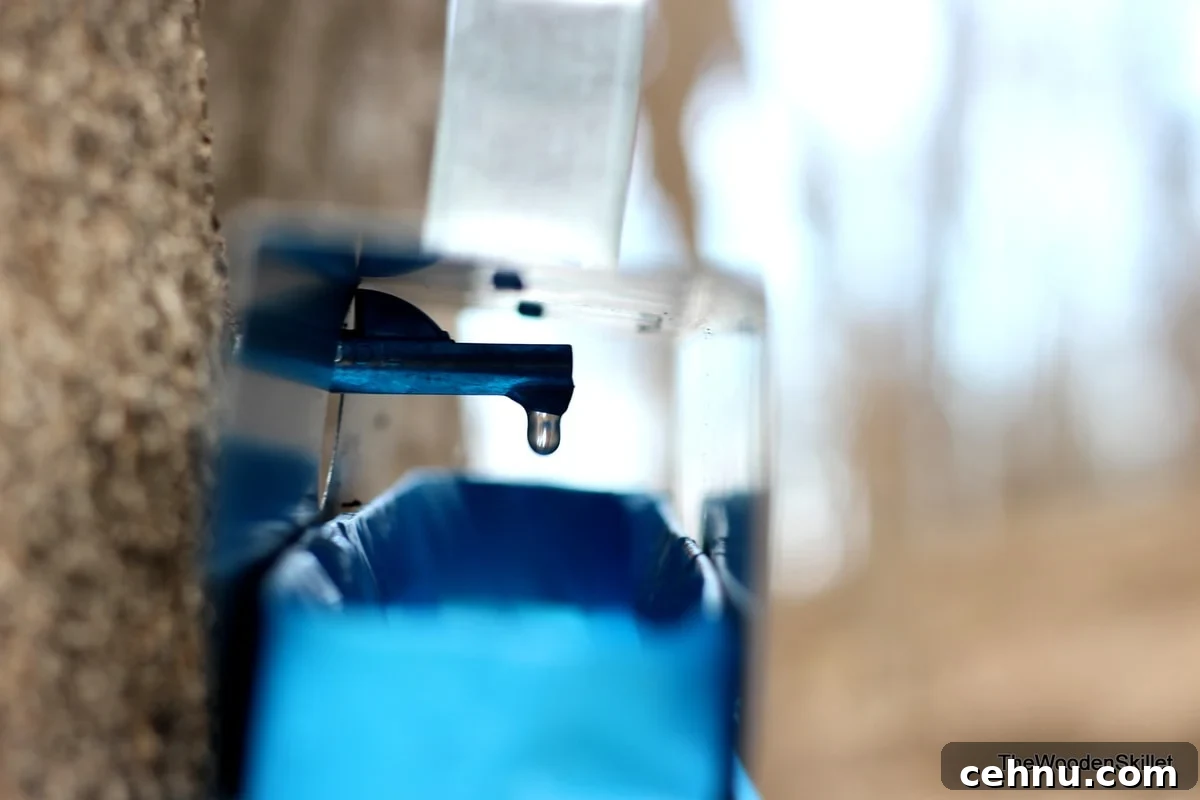
How to Tap Maple Trees – a clear, practical guide to tapping maple trees and collecting sap for making maple syrup.
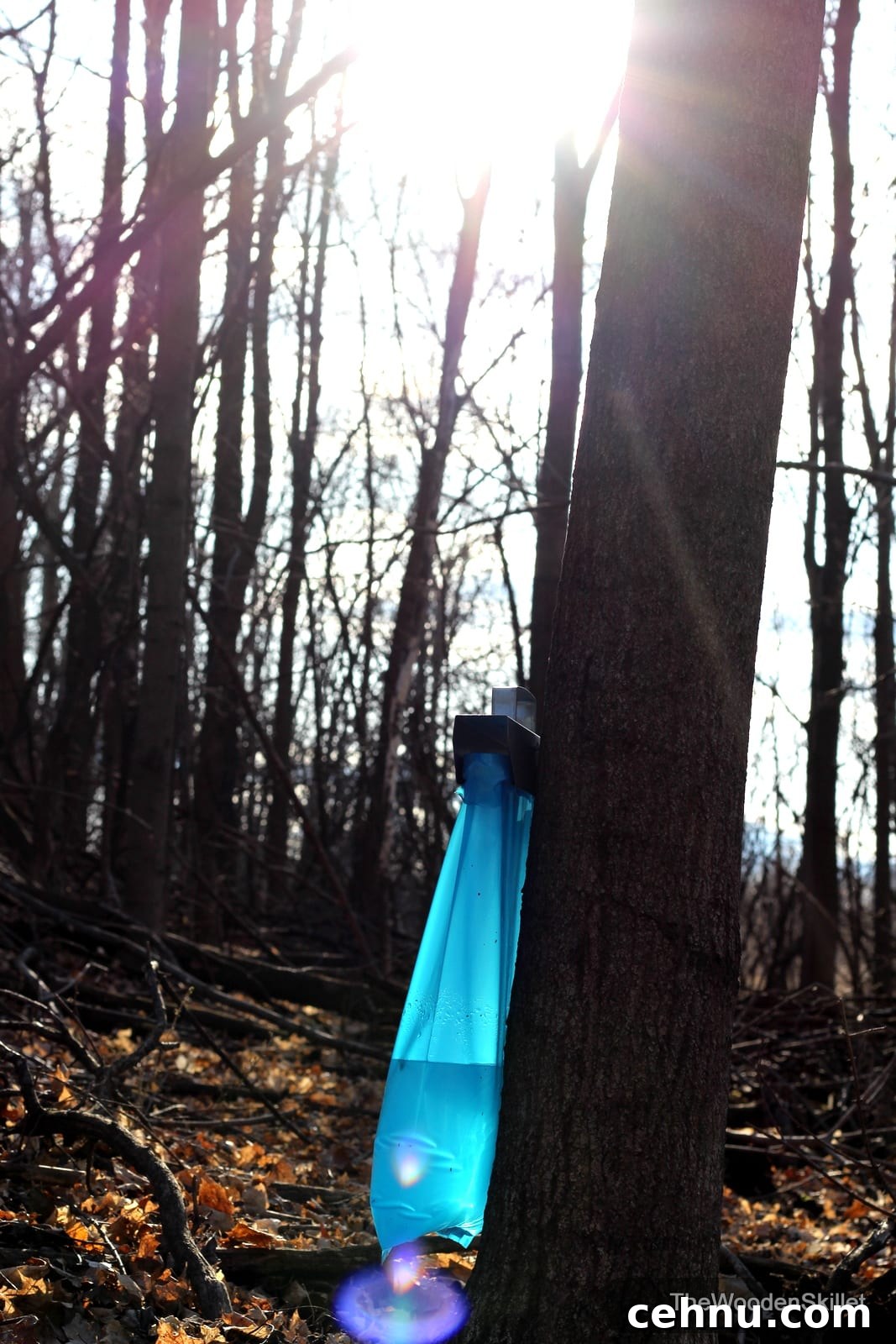
Real maple syrup is a simple delight worth trying. As a child I looked forward to heading into the woods in March to collect sap, boil it over an open fire, and enjoy fresh syrup the next morning. That tradition made the process feel magical—and it is surprisingly straightforward once you know the basics.
What You Will Need
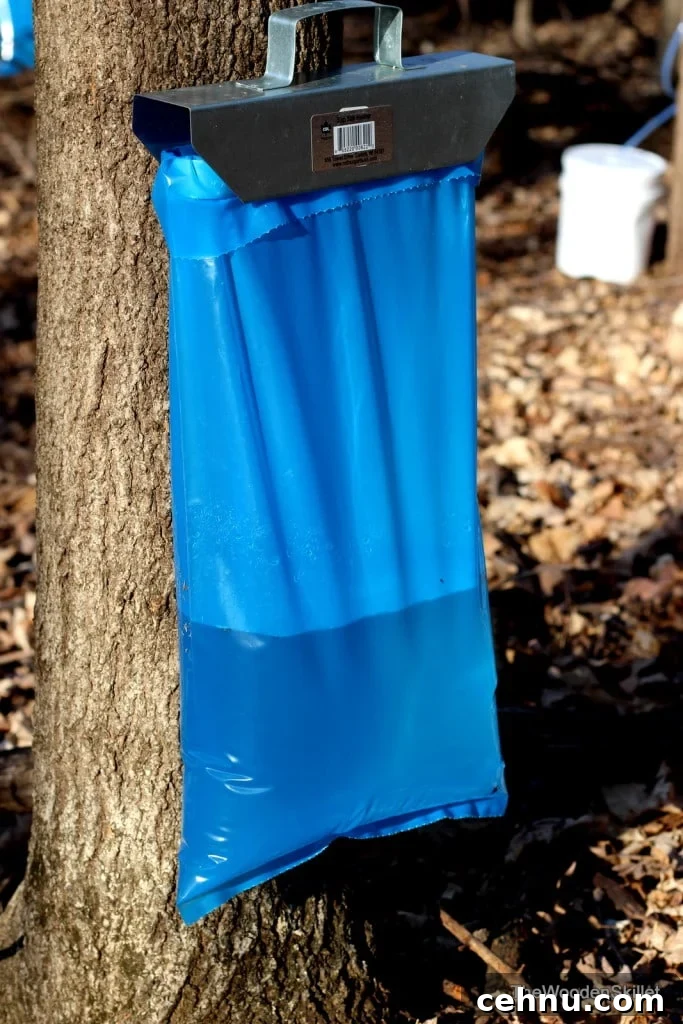
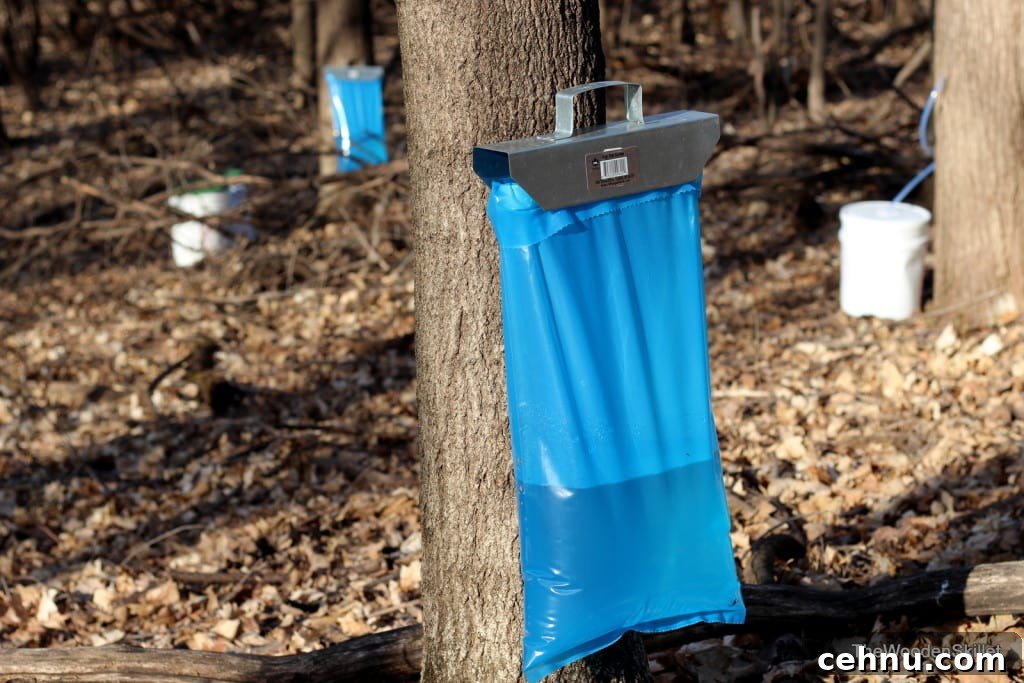
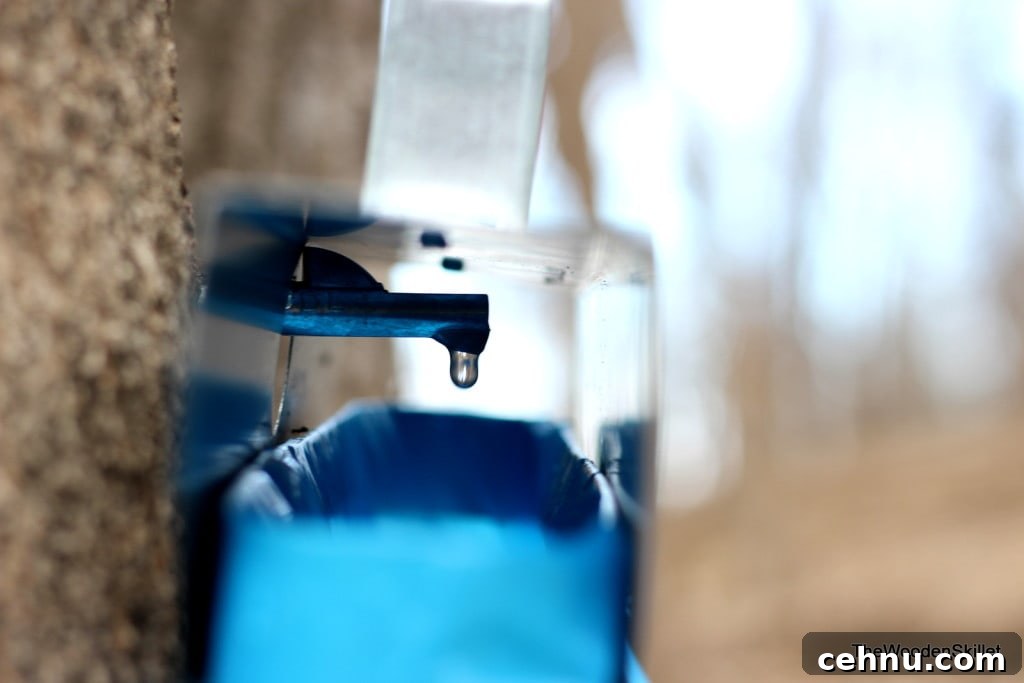
- Taps – Taps come in plastic or metal. Plastic taps are usually paired with plastic tubing that drains sap into a bucket on the ground. Metal taps are often used with hanging bags that clip or fit directly on the spout.
- Bags and Sack Holders – Sap bags hang from the tap so sap flows directly into them. You can also use a food-grade bucket to collect sap, but buckets can admit more dirt and debris than bags do.
- Food-Grade Buckets – Use food-safe containers to store sap before boiling. Avoid construction or utility buckets that are not intended for food use.
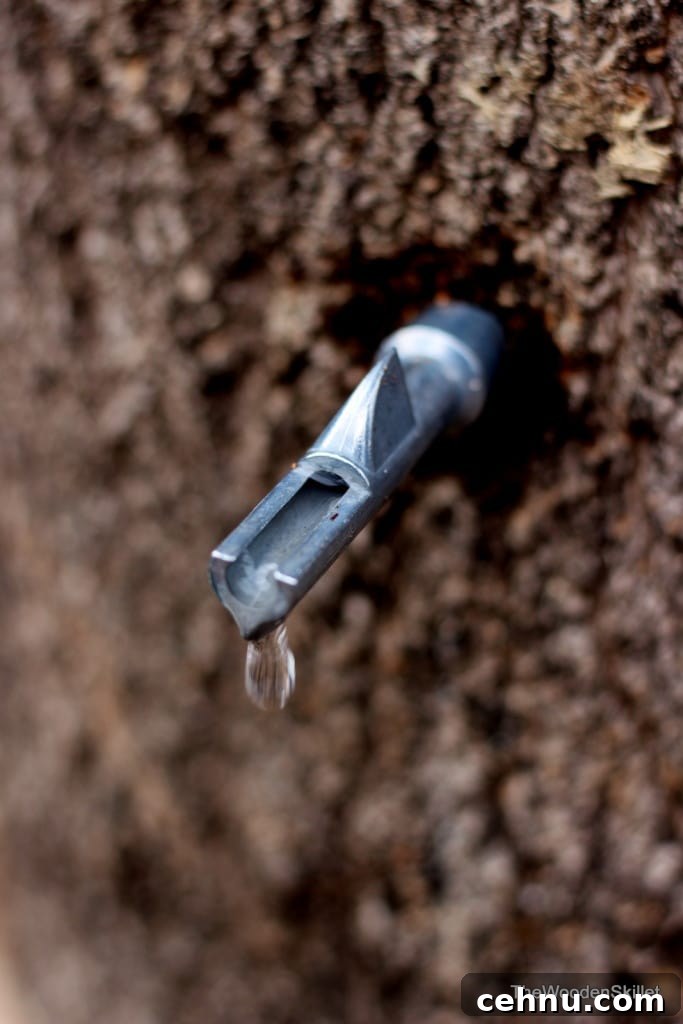
Below is an example of a bag designed to hang on a metal tap. These systems keep sap cleaner and are easy to install and maintain.
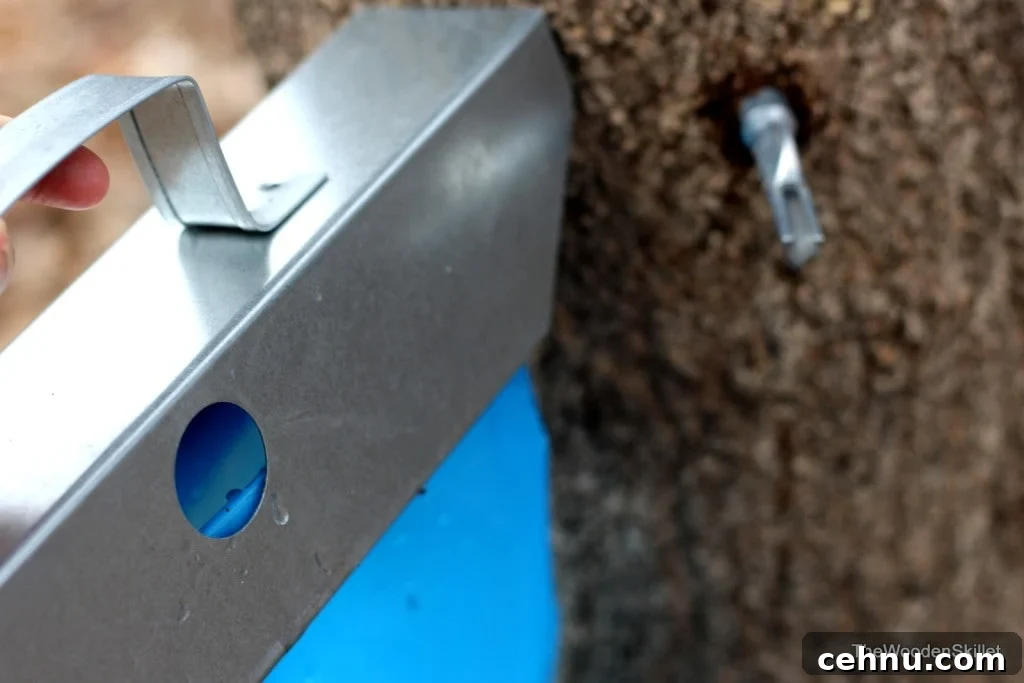
Note: Once your sap is collected, it must be boiled down to make syrup. This guide focuses on tapping and collecting; details about boiling and finishing are covered in a separate how-to on making maple syrup.
How to Locate Maple Trees
Identify sugar maple trees: For syrup production, sugar maples are preferred because their sap has a higher sugar concentration. Identify them in fall or early spring by looking for opposite branching and leaves that typically have five lobes and turn yellow or red in autumn. Mark trees during the growing season so you can find them easily when tapping season arrives.
Other species and sap-to-syrup ratios:
- Sugar maple: approximately 40:1 (gallons of sap to make 1 gallon of syrup)
- Red or Douglas maple: similar ratios to sugar maple in many cases
- Box elder: about 60:1
- Birch: about 100:1
These ratios vary by tree, season, and local conditions, but they give a general sense of how much sap is required.
When Can You Start Tapping Maple Trees
Sap typically flows from late February through March in many regions, though timing depends on local climate. The prime sap-flow period occurs when nighttime temperatures fall below freezing and daytime temperatures rise above freezing. This freeze–thaw cycle increases internal pressure in the tree and encourages sap movement. Season end is usually indicated when sap turns from clear to cloudy; cloudy sap signals the run is over.
How Many Taps Per Tree
Plan your taps by trunk circumference at breast height:
- 10–14 inches: one tap
- 15–19 inches: two taps
- 20–24 inches: three taps
Even for trees larger than 24 inches, it’s generally not recommended to use more than three taps. Place taps on the south side when possible and avoid tapping the same spot year after year—alternate locations to reduce stress on the tree.
How to Tap a Maple Tree
- Use a 7/16-inch drill bit and bore a hole about 1½ inches into the tree at a slight upward angle. Keep the hole clean and straight.
- Insert the tap firmly into the hole and hang your bag or connect tubing to a food-grade bucket. Make sure all containers and fittings are clean and food-safe.
How to Collect and Store Sap
Check taps regularly. Store sap in a cool place and boil it as soon as practical. It’s fine to wait a few days before boiling provided the sap stays cold; extended storage at warm temperatures can allow spoilage. When collecting, filter out obvious debris and keep batches from different collection times separate if you plan to produce different syrup grades.
How to Make Maple Syrup from Sap
Boiling sap down to syrup requires patience and attention to temperature and consistency. There’s a separate guide that details evaporating sap, finishing syrup, and grading. Briefly: you’ll evaporate most of the water content until the sugars concentrate and reach the proper boiling point for syrup, then filter and bottle when cooled.
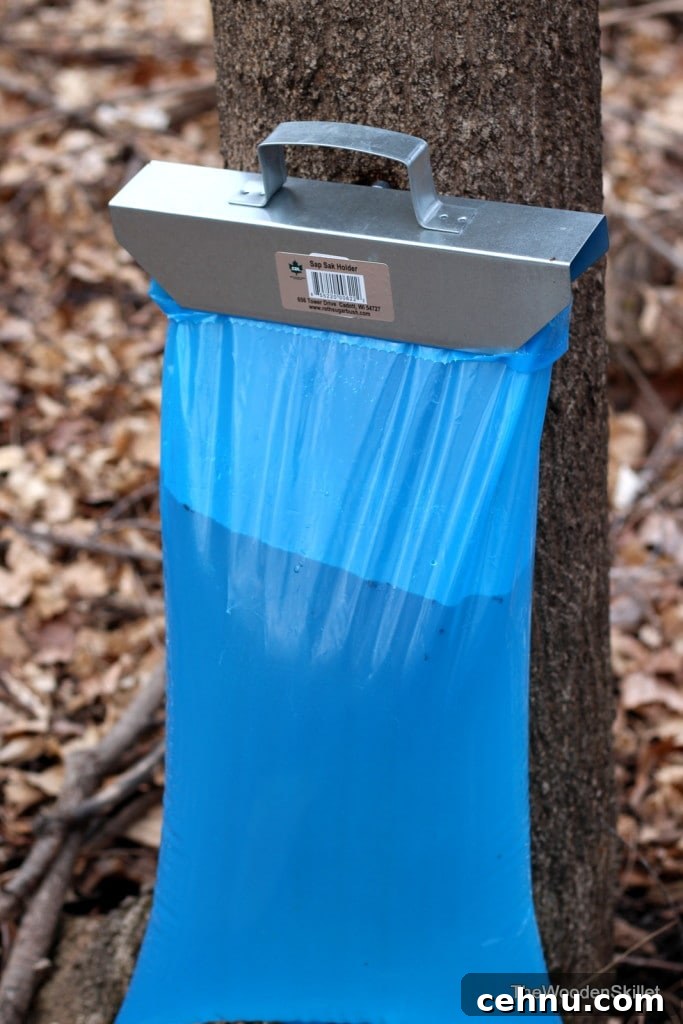
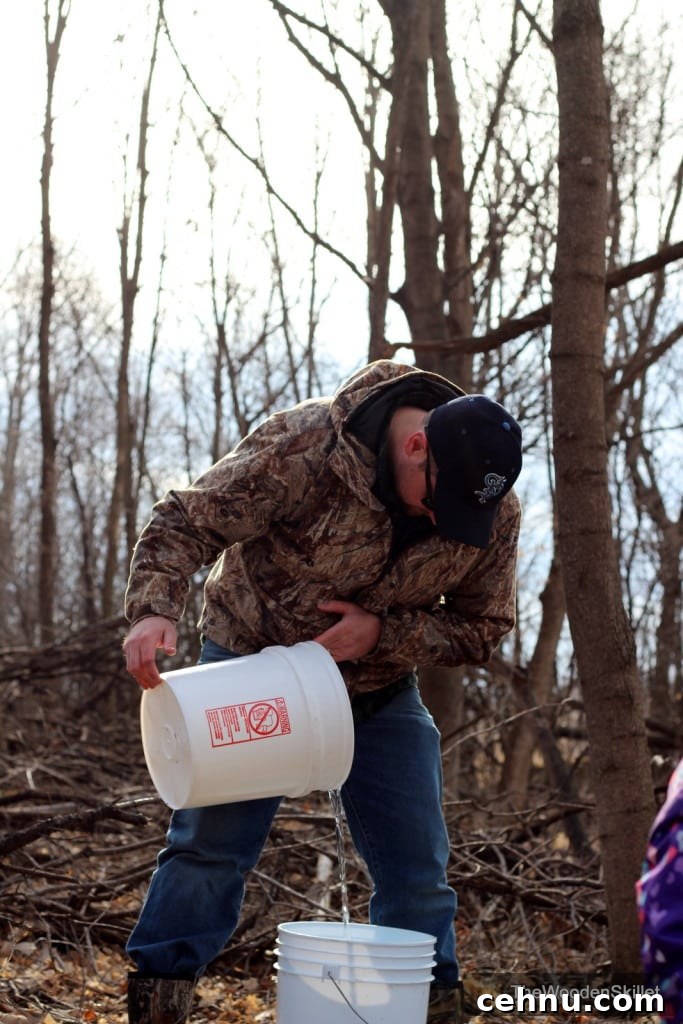
This bag is full of sap and ready to be emptied into storage.
Tips for Tapping Maple Trees
- You don’t need a large forest to enjoy tapping. Ask permission to tap a few trees on public property, a neighbor’s property, or a friend’s land if needed.
- Bring children along—tapping is an excellent hands-on activity and a great way to teach where food comes from.
- A small number of trees can yield a satisfying amount: tapping five trees over a month can produce dozens of gallons of sap, which boils down to a modest amount of syrup.
- Occasional bugs or debris in sap are normal. Skim or filter when combining batches; insects typically sink and can be removed.
- Keep early- and late-season sap separate if you want to produce different grades of syrup, as flavor and color change through the season.
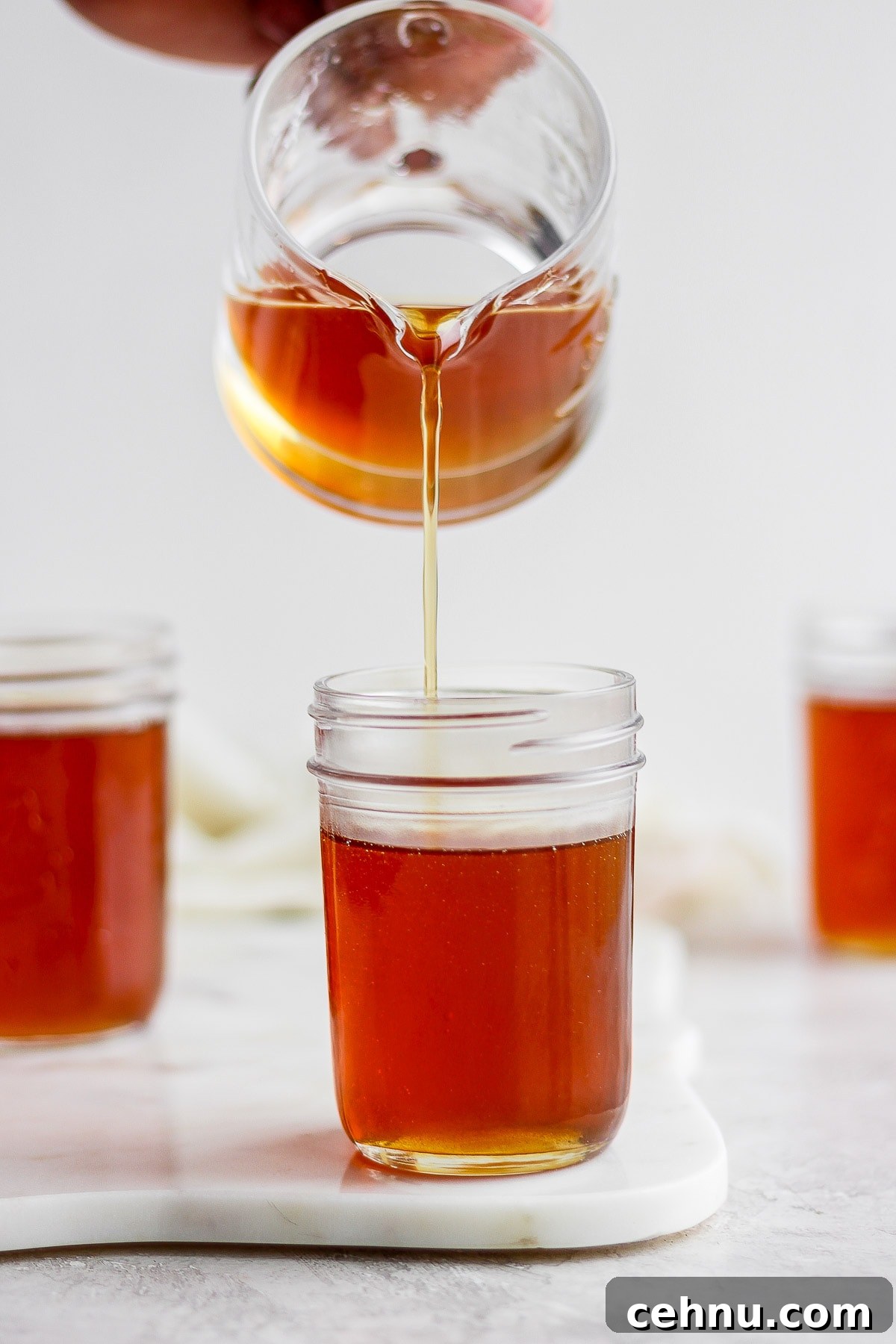
Enjoy the process and the delicious results. Follow along with my social channels for behind-the-scenes photos and updates about tapping and syrup-making.