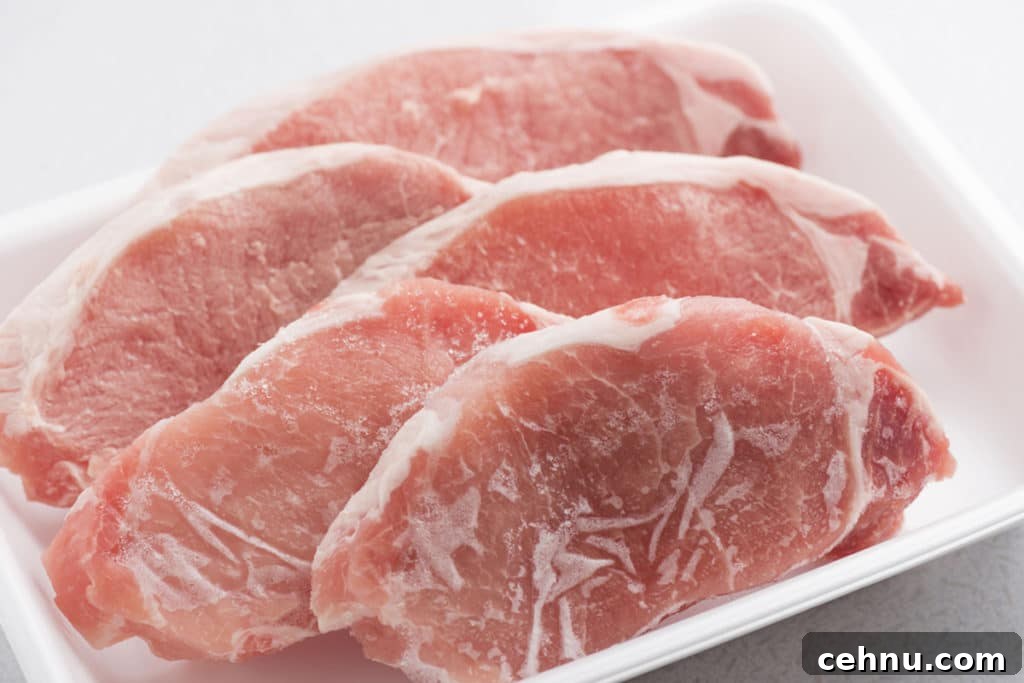
Sous vide cooking is one of the most reliable ways to make tender, juicy, and evenly cooked food at home. The method is simple, mostly hands-off, and popular with both professional chefs and everyday home cooks because it delivers consistent results. But what if you planned a sous vide dinner and forgot to thaw the chicken, steak, fish, or pork? Fortunately, you can cook food straight from frozen with a sous vide machine and still get excellent results.
Cooking frozen food sous vide can make weeknight meals much easier. It allows you to buy meat, seafood, poultry, and fish when they are on sale, portion them properly, freeze them, and cook them whenever you need a quick, high-quality meal. This approach can also help reduce food waste and save money, especially when compared with eating out. With a well-stocked freezer and a little planning, you can prepare restaurant-style meals at home without thawing everything in advance.
Before you place frozen meat in a water bath, there are a few important things to understand. Proper packaging, safe cooking temperatures, and adjusted cook times all matter when cooking sous vide from frozen. Once you know the basics, the process is easy and convenient.
Packaging is important
The packaging used for frozen food makes a big difference in sous vide cooking. In some cases, you may be able to cook the food in the package it was frozen in, but only if the bag is heat-safe, well sealed, and suitable for sous vide. Never cook frozen food in packaging that contains an absorbent pad, a foam tray, or moisture-absorbing packets. These materials should always be removed before cooking.
If you find a good deal on tenderloin, steak, chicken breasts, or pork chops, consider portioning the food before freezing it. For example, you can ask the butcher to cut a tenderloin into 1.5-inch steaks and package each steak individually. Individual portions freeze faster, cook more evenly, and are easier to use for quick meals.
The bag must be strong enough to hold up during freezing, storage, and cooking. Thin or damaged bags can leak, which may affect the texture and flavor of the food. If you are unsure about the original packaging, repackage the meat at home in a sous vide vacuum-seal bag or a freezer-safe zip-top bag. If you use a zip-top bag, remove as much air as possible with the water displacement method before sealing it.
It is also important not to overfill a sous vide bag. Crowding too many pieces of meat into one bag can cause uneven shapes and may prevent the food from cooking as evenly as it should. The flavor may still be good, but the final presentation and texture can suffer. For the best results, arrange food in a single layer with enough space for water to circulate around the bag.
Cook times aren’t that much different
Cooking frozen food sous vide does take longer than cooking fresh food, but the difference is usually simple to calculate. According to ChefSteps, a helpful rule is to take the recommended cooking time for a fresh piece of protein, divide that time by two, and then add that number to the original cooking time.1 Another easy way to think about it is to multiply the fresh cooking time by 1.5.
For example, if a fresh filet normally takes 60 minutes to cook sous vide, divide 60 by two. That gives you 30 minutes. Add those 30 minutes to the original 60-minute cook time, and the total cooking time becomes 90 minutes.
You can also use the multiplication method: 60 minutes x 1.5 = 90 minutes. Both methods give the same result.
This adjustment helps the frozen center come up to temperature before the food finishes cooking. However, cook time can still depend on the thickness and shape of the food. A thick steak, large chicken breast, or dense piece of fish may need more time than a thin portion. Sous vide is forgiving, but it is still best to follow reliable time and temperature guidelines for the specific food you are preparing.
Is cooking frozen meat sous vide safe?
Yes, cooking frozen meat sous vide can be safe when it is done correctly. In fact, cooking straight from frozen may help reduce handling and limit cross-contamination because the food does not need to sit out while thawing. It can also help preserve quality, since the meat is not frozen, thawed, and then held for an extended period before cooking.
Food safety depends on using the right temperature and holding the food at that temperature long enough. Pasteurization is the process of gently heating food over time to reduce harmful pathogens. For many meats, this process begins around 130 degrees Fahrenheit when the food is held at the proper temperature for the appropriate amount of time. The exact time and temperature depend on the type, thickness, and cut of meat.
Another way to reduce surface bacteria on whole cuts of meat is to pre-sear them before sous vide cooking. With whole cuts such as steaks or roasts, most bacteria are found on the surface. A quick sear before bagging and freezing, or before cooking if the meat is not already frozen, can help reduce microbes while also improving flavor. Ground meats are different because bacteria can be mixed throughout the meat, so they require careful handling and appropriate cooking temperatures.
If you want to better understand safe cooking practices, read this article to learn more about sous vide safety.
What about a pre-marinated meat?
Pre-marinated meats can be frozen and cooked sous vide, but it is important to understand how marinades behave in a sealed bag. Because sous vide cooking traps the food and marinade together, flavors can become more concentrated than they would on a grill or in a pan. Nothing drips away or evaporates, so strong ingredients may have a bigger impact on the final dish.
Salt, sugar, alcohol, and acidic ingredients such as citrus juice or vinegar can all affect the flavor and texture of sous vide meat. A marinade that tastes balanced for grilling may become too intense when cooked in a sealed bag. Acidic marinades, in particular, can change the texture of meat if the food sits in them for too long before freezing or cooking.
If you are not sure what is in a marinade, it may be better to keep the seasoning simple. You can skip the marinade and add fresh herbs, spices, garlic, butter, or other aromatics before cooking. This gives you more control over the final flavor and helps avoid overly salty or mushy results. For more guidance, check out this great article on seasoning foods for sous vide cooking.
Cooking sous vide from frozen is a practical way to prepare delicious, tender, and perfectly cooked meals with less prep time. Whether you are cooking steak, chicken, pork, fish, or seafood, the key is to package the food properly, adjust the cooking time, and follow safe temperature guidelines. With a little preparation, your freezer can become a reliable source of quick, healthy, high-quality meals at home. Have more questions? Leave a comment below.
Contributor:
This article was written by Stephanie Searor, MS RD LDN
References:
- Chef Steps. You can cook frozen food sous vide without defrosting! Here’s how. https://www.chefsteps.com/activities/you-can-cook-frozen-food-sous-vide-without-defrosting-here-s-how. Updated 2019. Accessed January 1, 2020.