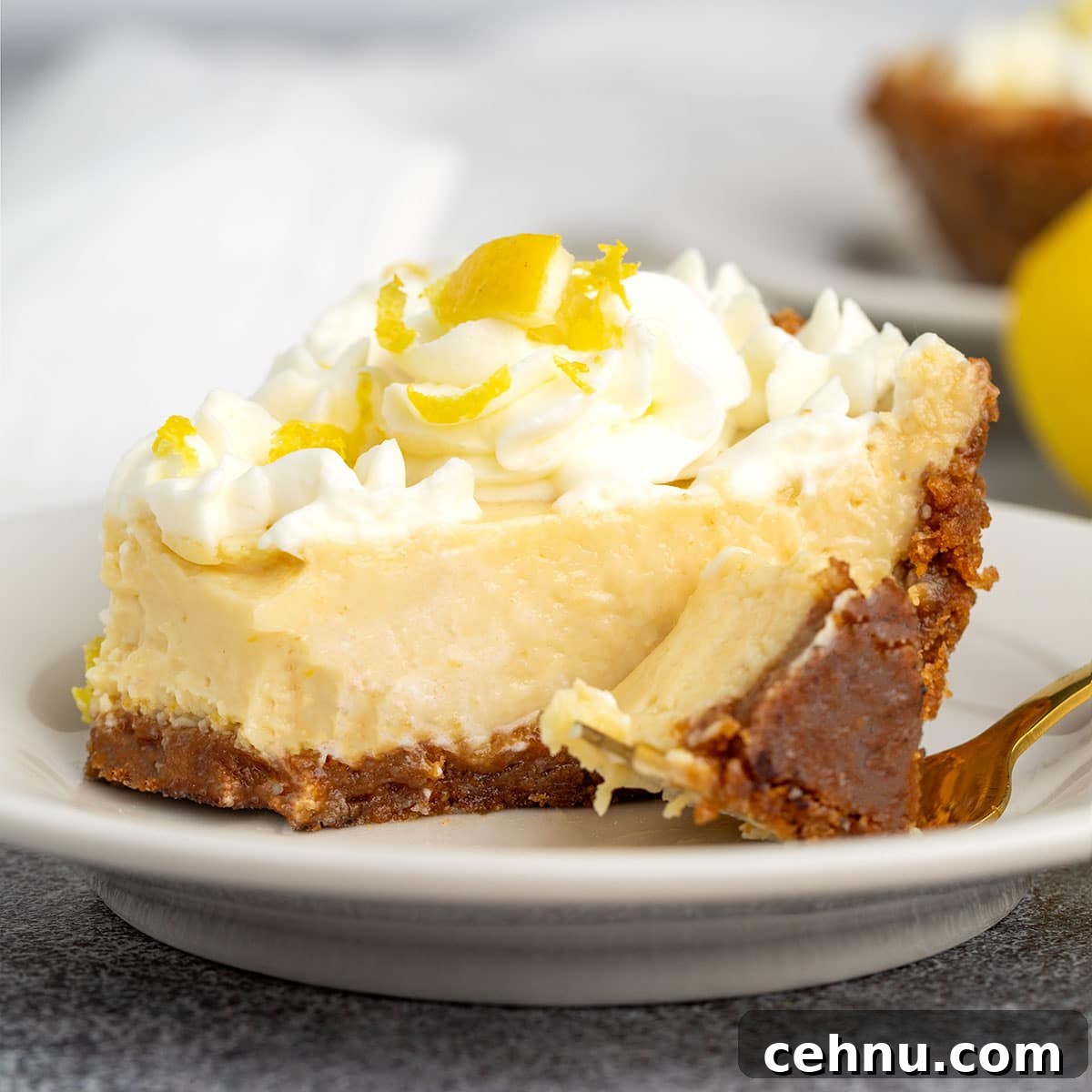
This gluten free lemon pie is sweet, tart and refreshingly tangy, paired with a buttery, crisp cookie crust. It’s served chilled, making it an ideal make-ahead dessert for gatherings or weeknight treats.
After years of testing gluten-free recipes, this filling has been refined to set into a firm, creamy custard that slices cleanly every time. Below you’ll find clear step-by-step guidance so each slice comes out with the crust intact and the filling perfectly set.
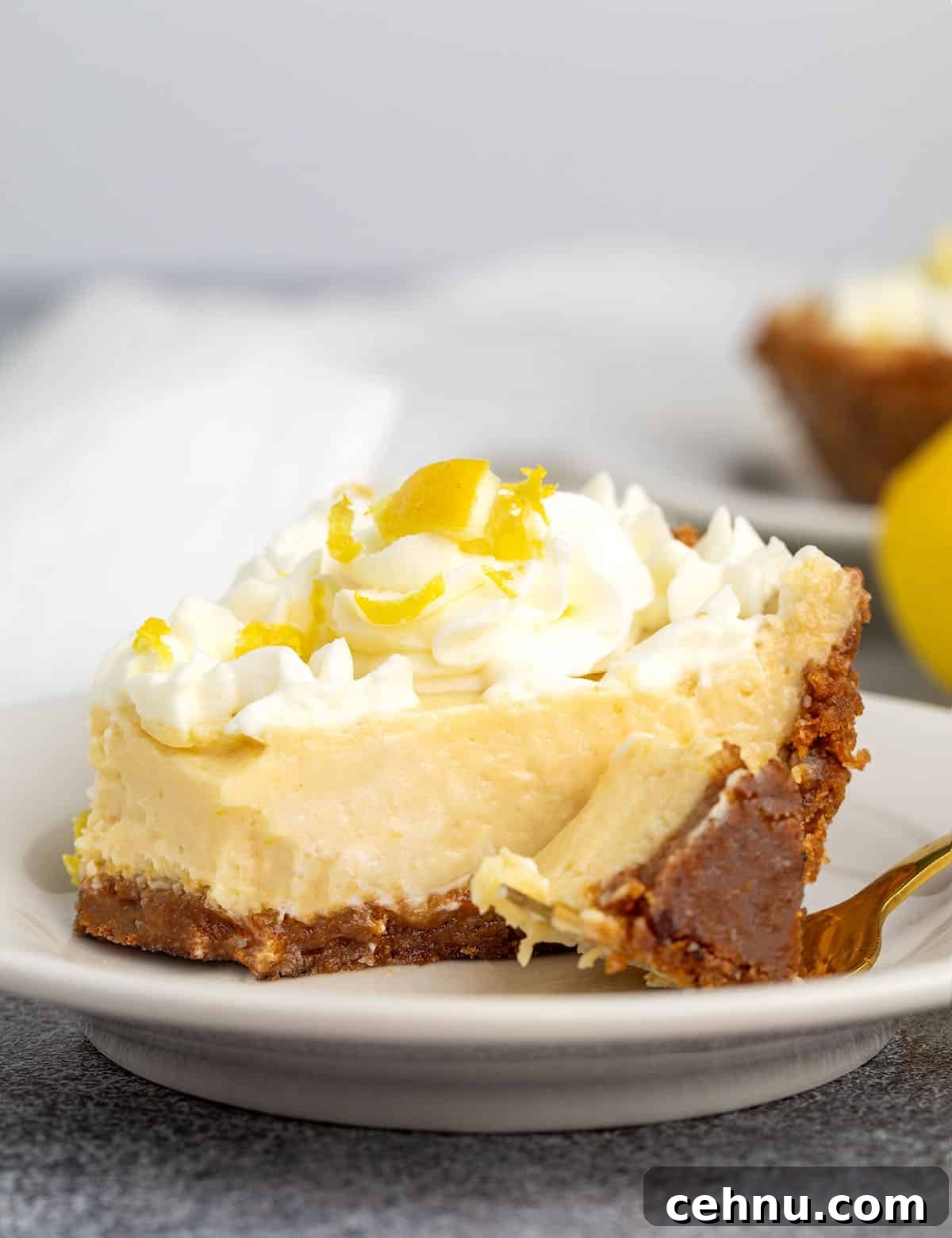
Why this recipe works
- The filling uses only a few ingredients plus salt, so each component contributes clear flavor and structure.
- The recipe is flexible — you can use different citrus juices or combinations for varied flavor profiles.
- No complicated techniques: the crust and filling are mixed separately in one bowl each, then baked.
- Parbaking the crust in a straight-sided pan helps ensure each slice releases cleanly from the pan.
Ingredients explained
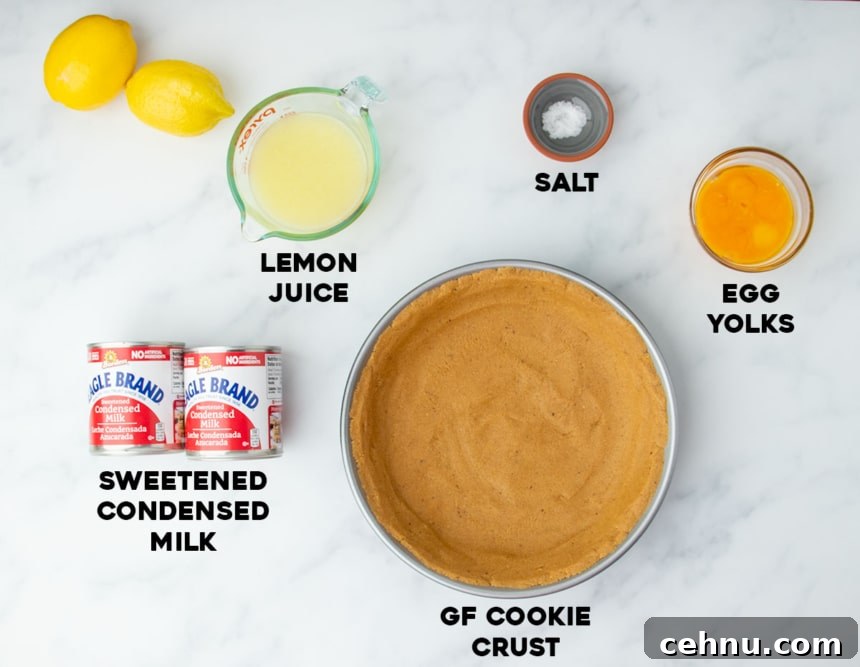
With so few ingredients, each one has an important role:
- Gluten free cookie crust – Crunchy cookies plus sugar and butter form a flavorful, cohesive base that firms up as it cools.
- Lemon juice – Provides the pie’s bright, tangy flavor and moisture. Use fresh-squeezed and strained juice for best results (about 6 lemons yields roughly 1 cup).
- Sweetened condensed milk – Supplies sweetness and the creamy texture of the filling.
- Egg yolks – Yolks set the custard by forming a protein network in the oven; they also help prevent separation as the pie cools.
- Salt – Balances sweetness and enhances the lemon’s brightness.
Ingredient swaps and variations
Dairy free
Replace regular sweetened condensed milk with sweetened condensed coconut milk and use a dairy-free butter substitute in the crust. Ensure your gluten-free cookies are dairy-free as well.
Egg free
To replace egg yolks, try a cornstarch slurry (2 tablespoons cornstarch dissolved in 1 1/2 tablespoons lukewarm water) combined with 1/4 cup (about 120 g) room-temperature sour cream for body and texture.
Citrus options
Use other citrus juices such as lime, key lime, orange, or ruby red grapefruit for different flavor variations. Mixing lemon with lime also adds a bright, complex note.
Cookie crust
Any crunchy gluten-free cookie can replace graham crackers in the crust: gluten-free vanilla wafers or digestive-style biscuits work well. You can also use a gluten-free shortcrust pastry for a slightly richer, flakier base if you prefer.
Expert tips for a perfect lemon pie
Choose a pie pan with straight sides
Straight-sided pie plates prevent the crust from sliding during parbaking. If your pan has sloped sides, take extra care when pressing and consider alternative preparation techniques to keep the crust stable.
Parbake the crust
Partially baking the cookie crust helps it hold together when you slice and serve. Parbaking also reduces the chance of a soggy bottom after the filling is baked and chilled.
Use fresh-squeezed, strained lemon juice
Fresh, strained lemon juice avoids the preservative bitterness found in many bottled juices and ensures a clean, bright flavor in the finished pie.
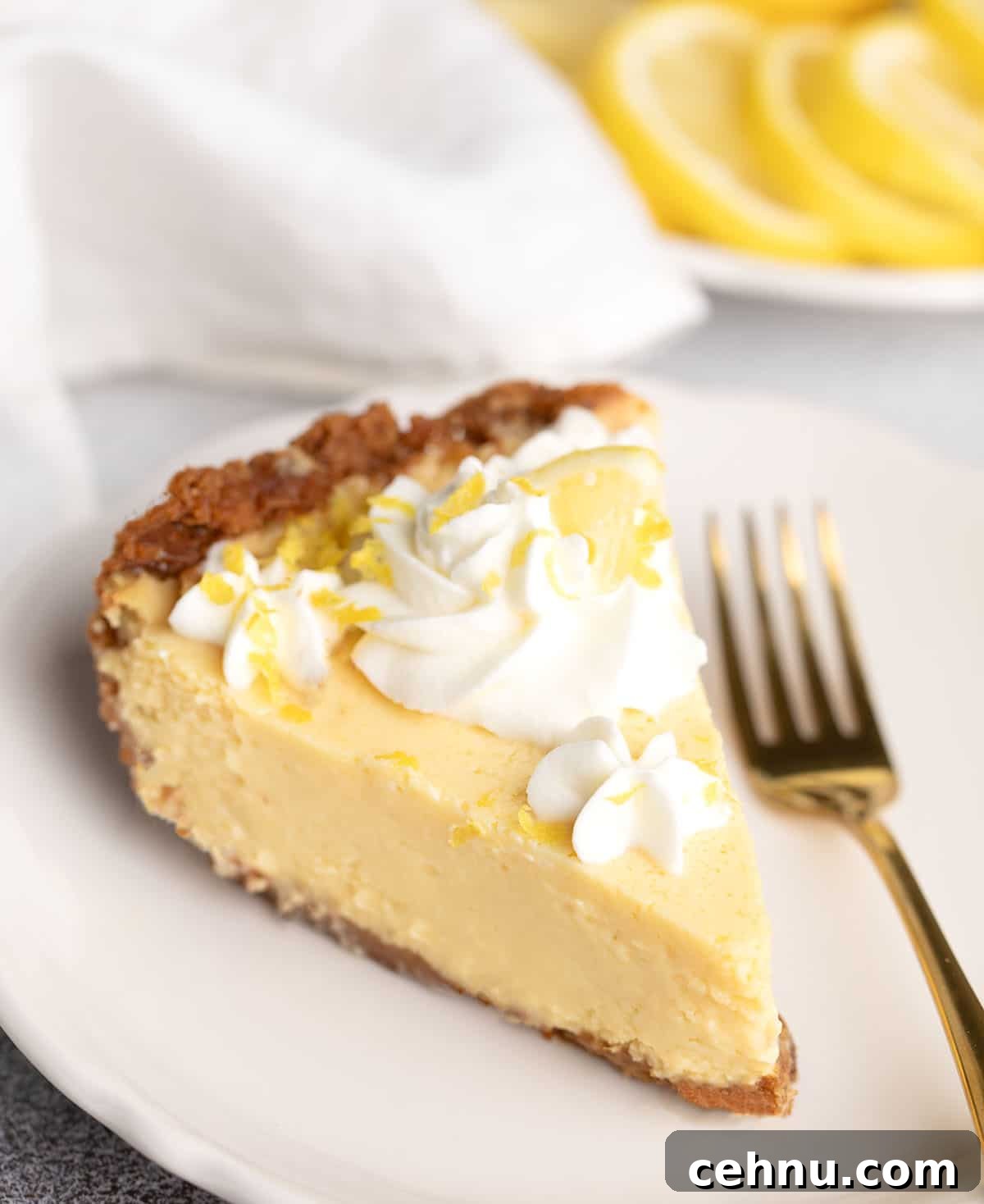
How to make gluten free lemon pie (step by step)
Follow these steps to make a fresh gluten free lemon pie that slices cleanly and looks as good as it tastes.
1. Prepare the graham cracker crust
Combine 8 ounces of gluten-free graham cracker crumbs, 1/3 cup (67 g) granulated sugar, and 8 tablespoons (112 g) unsalted melted butter. Press the mixture into an even layer across the bottom and up the sides of a 9 to 10-inch pie plate at least 1 1/4 inches deep.
Bake the crust in a 350°F oven for about 8 minutes, or until it is mostly set. Let it cool for at least 5 minutes before filling so it firms up and handles baking of the filling better.
2. Make the filling
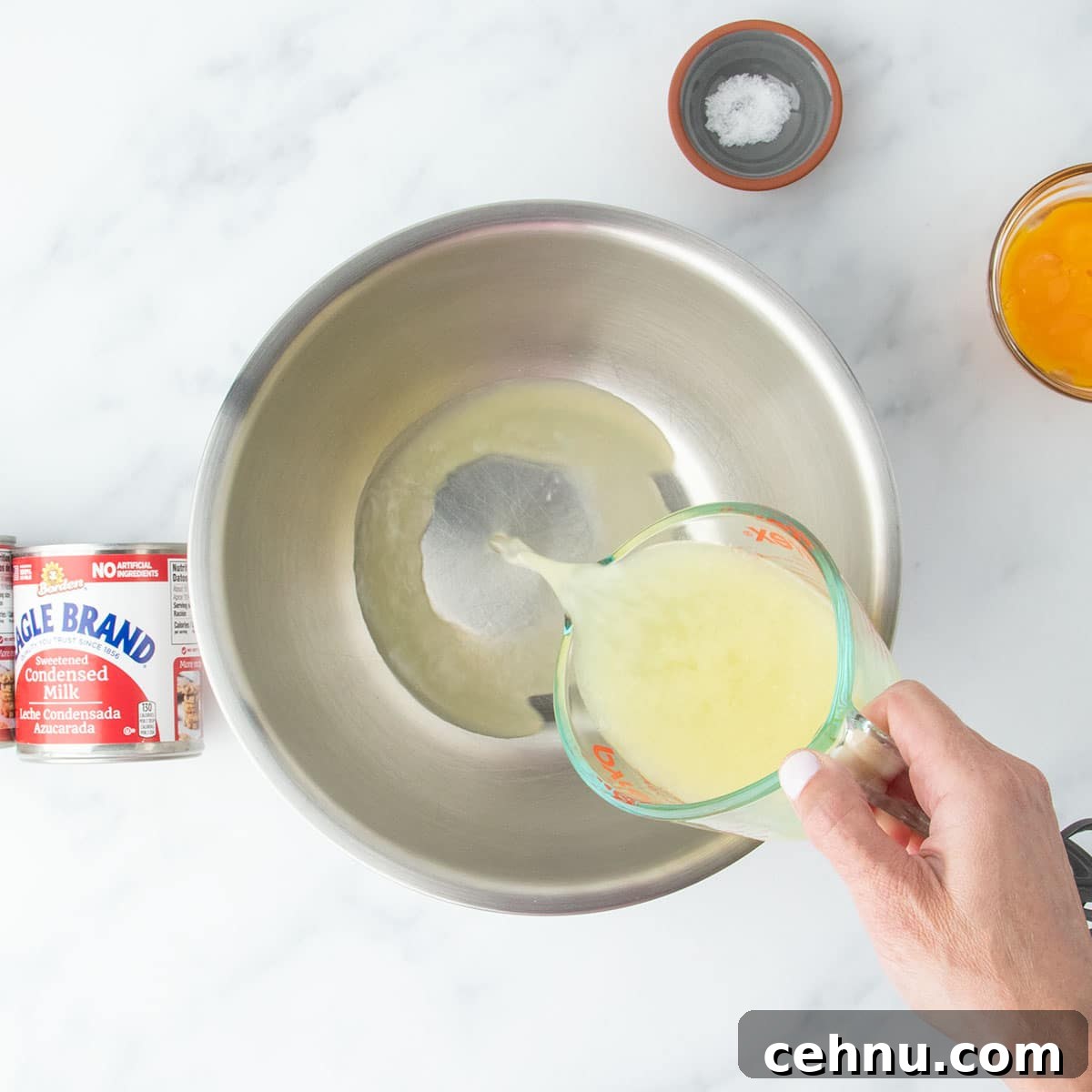
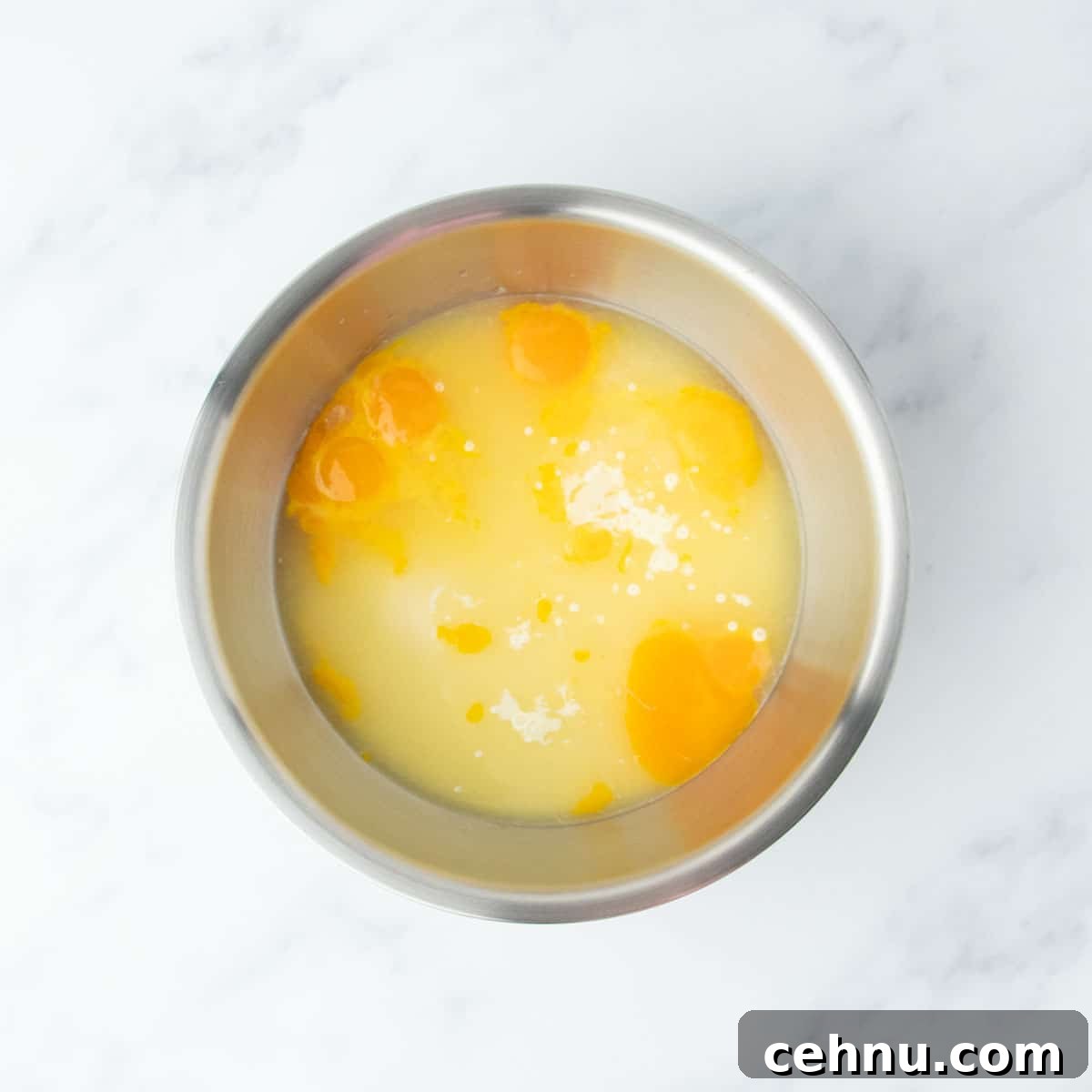
The filling is simple: fresh lemon juice, egg yolks, sweetened condensed milk, and a pinch of salt. Add the lemon juice to the mixing bowl first to avoid splatter when combining the thicker ingredients.
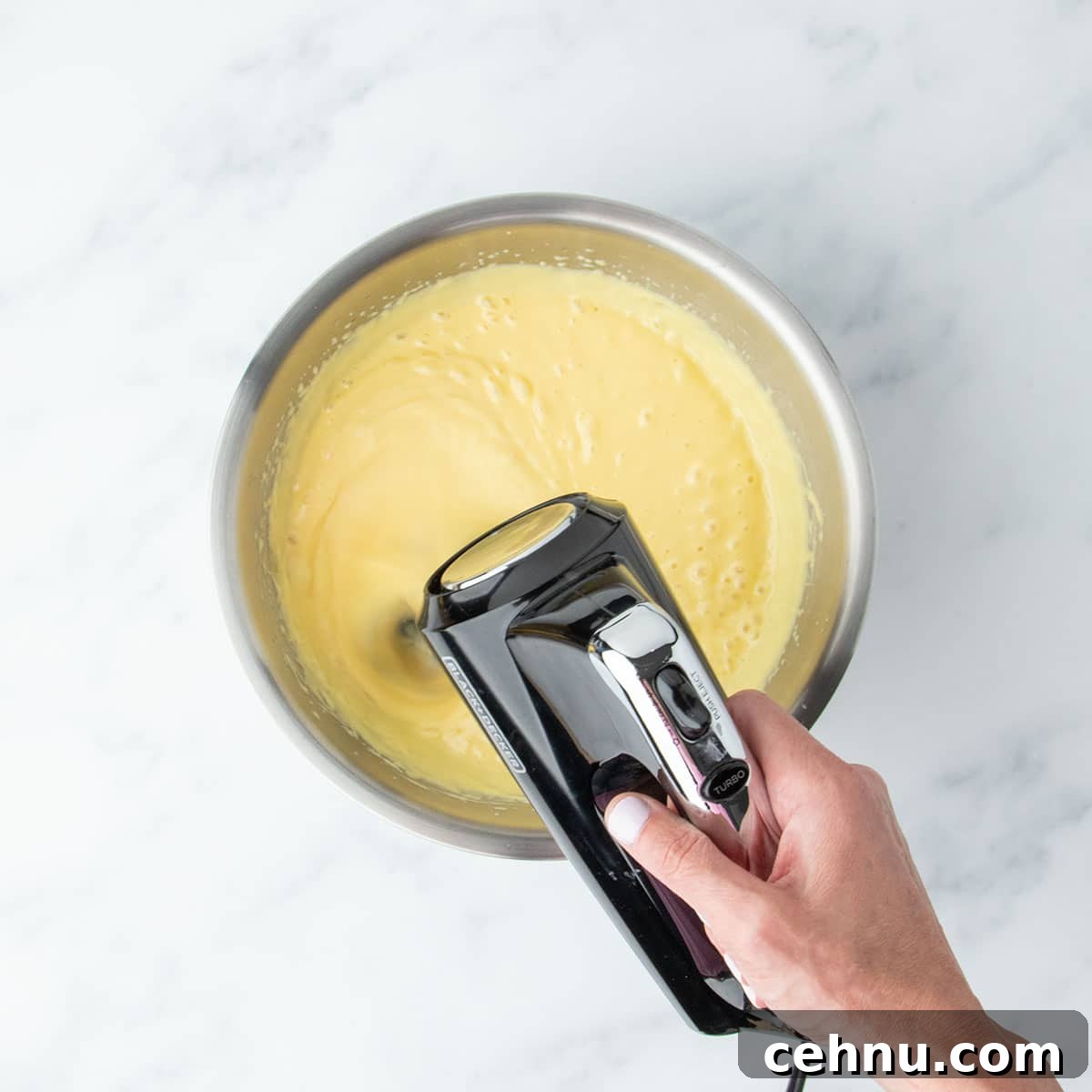
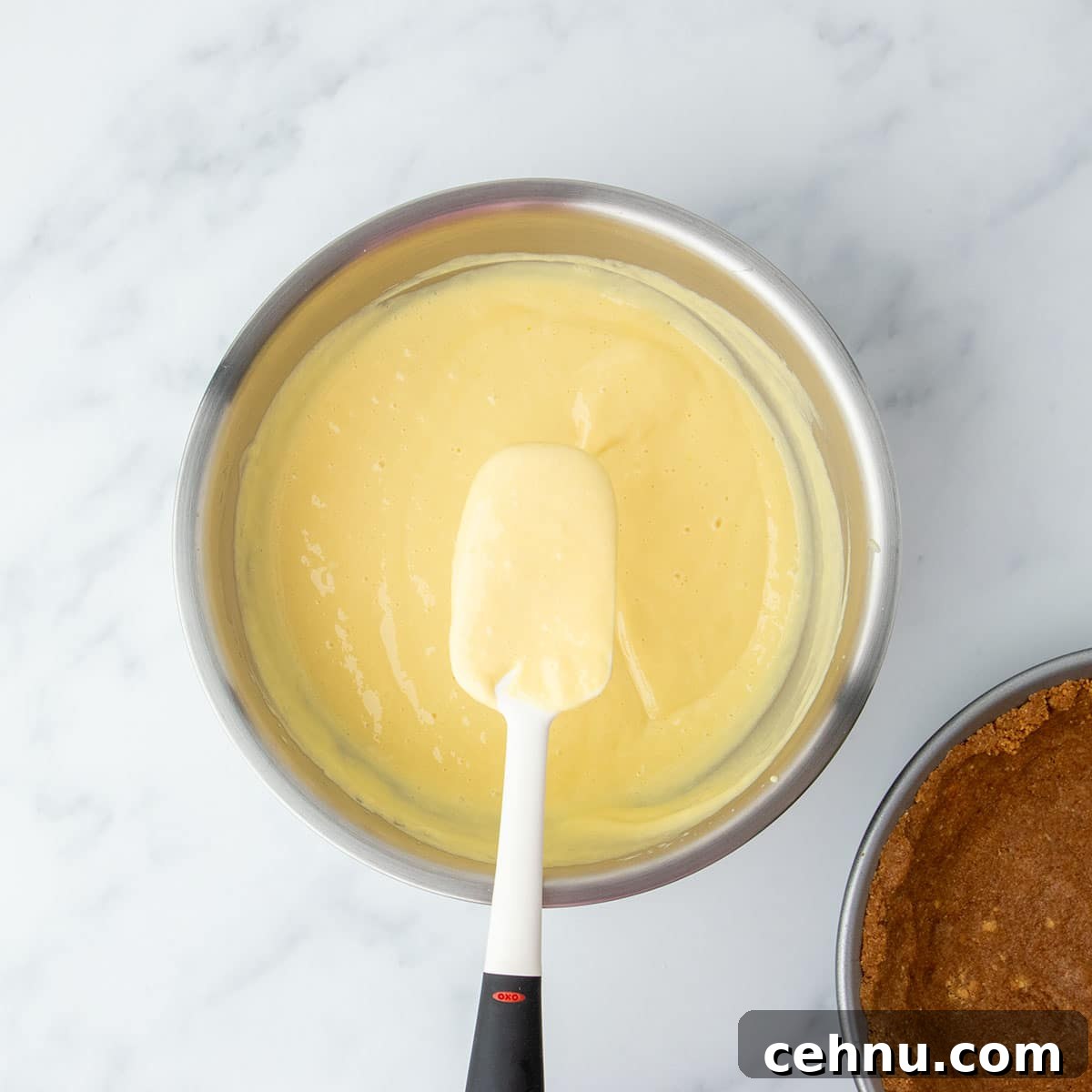
Beat the ingredients at medium-low speed with a handheld or stand mixer until smooth and slightly lightened in color, about 2 minutes. You can whisk by hand for roughly 3 minutes if needed. Make sure all ingredients are at room temperature so they combine smoothly without lumps.
3. Fill and bake the pie
Pour the filling into the parbaked and cooled crust. Tap the pie plate firmly on a flat surface a few times to release larger air bubbles that can cause tunnels in the filling.
Bake at 325°F for about 25 minutes. The filling is done when it is evenly colored and jiggles slightly in a controlled, jello-like way when the pan is moved gently. Avoid overbaking — the filling will firm further as it cools.
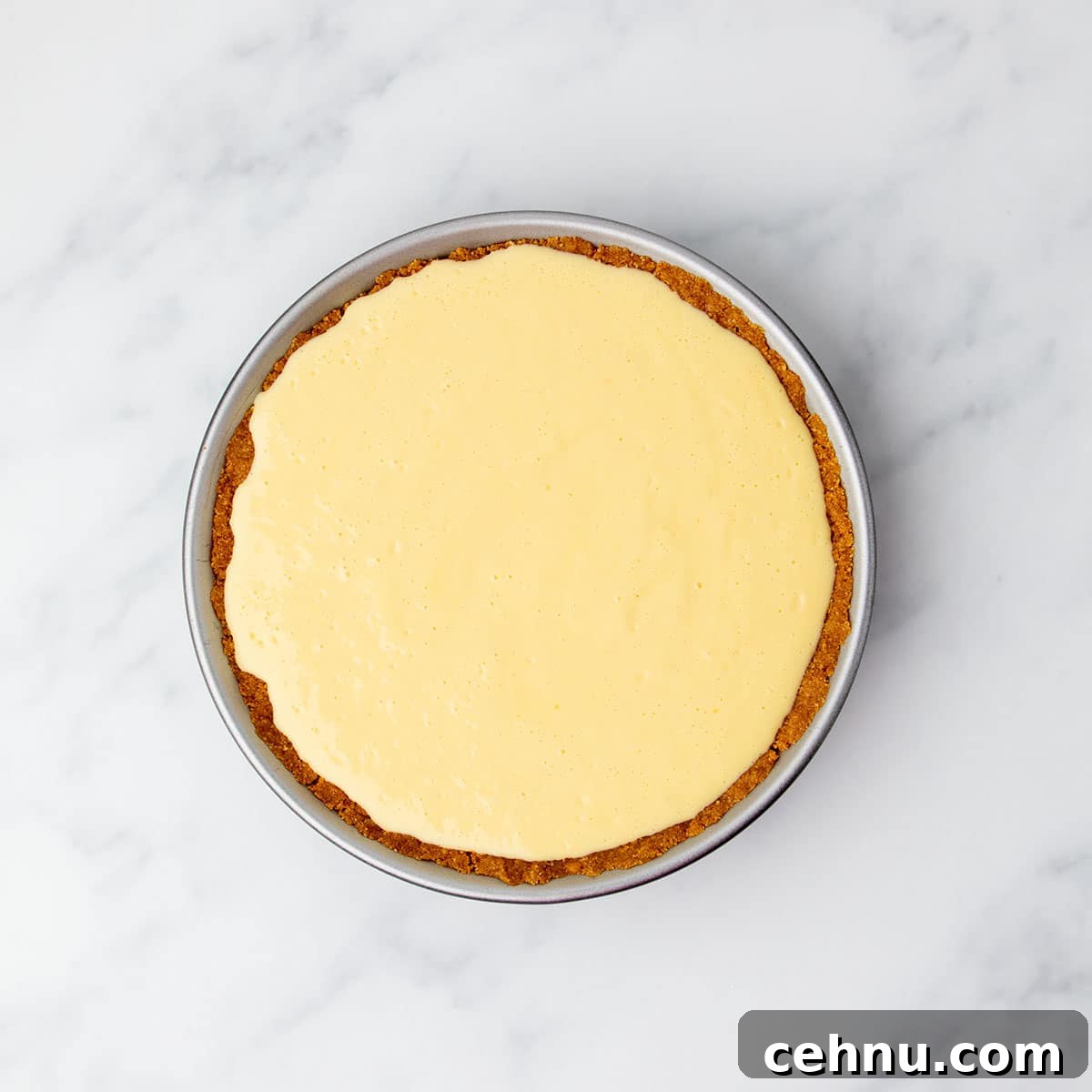
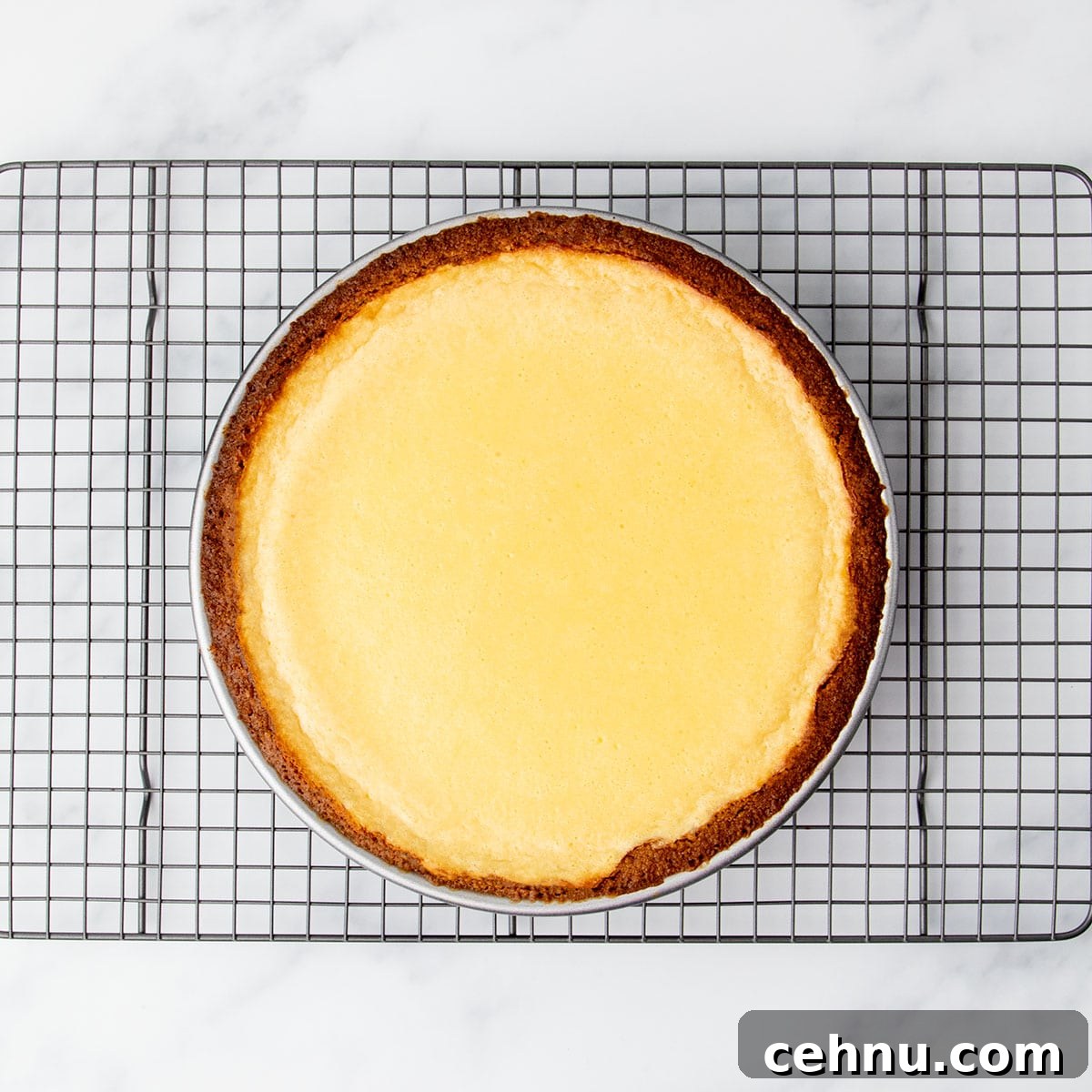
4. Cool, chill, and decorate
Allow the pie to cool completely on a wire rack (about 2 hours) before covering. Cover with plastic wrap without touching the surface of the filling, or tent loosely with foil if needed. Refrigerate for at least 3 hours, ideally overnight, for the firmest, easiest-to-slice filling.
Just before serving, top the pie or individual slices with whipped cream and lemon zest. For clean slices, use a sharp knife and cut in one smooth motion, wiping the blade between cuts. Run an offset spatula or straight edge around the crust to free the edges before removing the first slice.
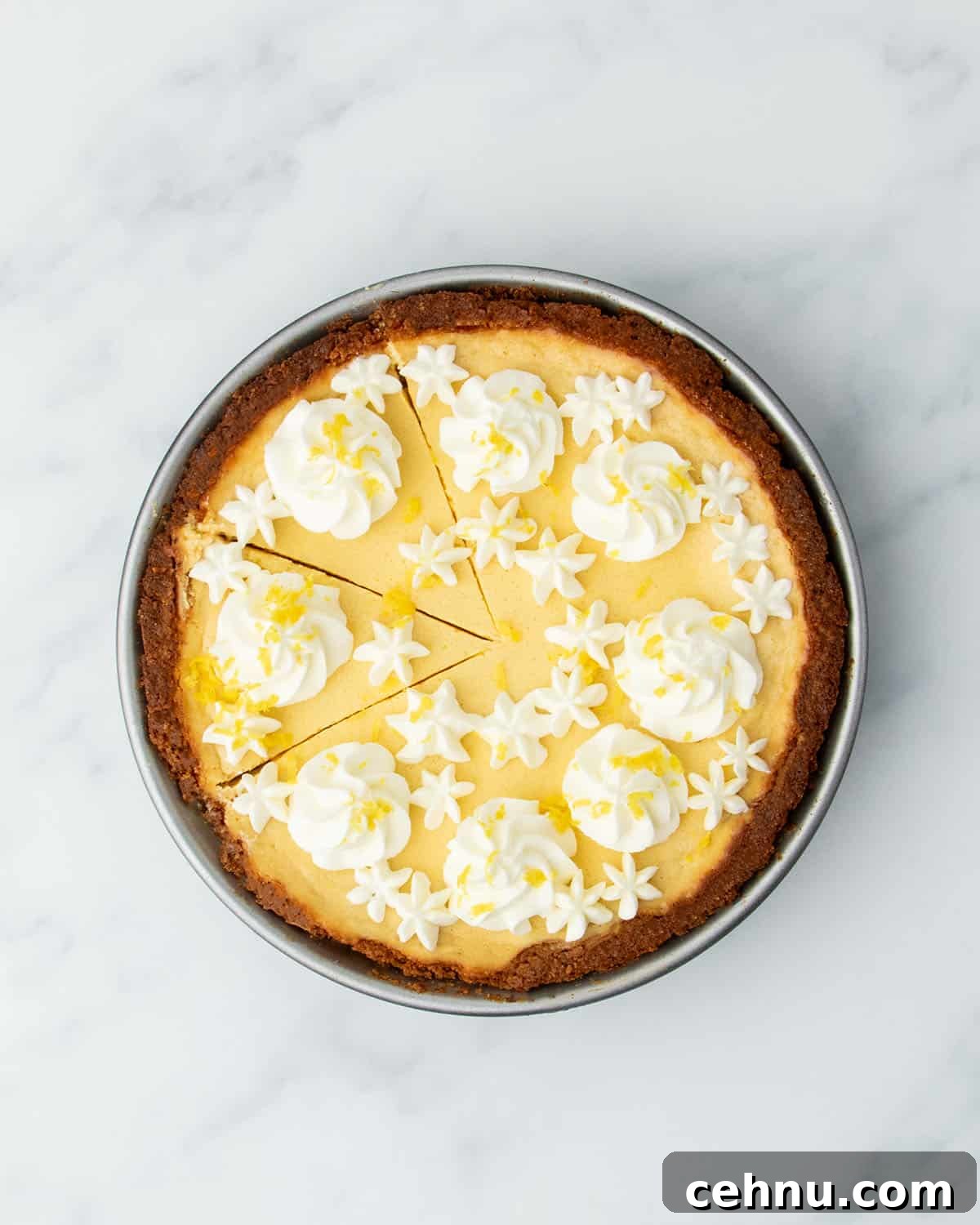
Gluten Free Lemon Pie – Recipe
Gluten Free Lemon Pie
By Nicole Hunn
Prep Time: 15 mins | Cook Time: 40 mins | Cooling and chilling time: 5 hrs | Total Time: 5 hrs 55 mins | Yield: 8 slices
Equipment
- 9 to 10-inch pie plate, at least 1 1/4 inches deep
Ingredients
For the crust
- 1 recipe gluten free graham cracker crust (see notes for crust recipe)
For the filling
- 1 cup (8 fl oz) freshly squeezed lemon juice, strained and at room temperature (about 6 medium lemons)
- 6 egg yolks (about 150 g), room temperature
- 2 14-ounce cans (28 oz) sweetened condensed milk, room temperature
- 1/8 teaspoon kosher salt
For serving
- Whipped cream
- Lemon zest
Instructions
Make the crust
- Preheat oven to 325°F.
- Prepare the graham cracker crust mixture and grease a 9–10-inch pie plate. Press crust into bottom and up the sides in an even layer.
- Bake the crust in the center of the oven for about 8 minutes, until beginning to set. Cool at least 5 minutes before filling.
Make the filling
- In a large bowl combine the lemon juice, egg yolks, sweetened condensed milk, and 1/8 teaspoon kosher salt.
- Beat with a handheld mixer or stand mixer on medium-low until very smooth but not foamy (about 2 minutes). You may whisk by hand about 3 minutes if needed.
- Pour the filling into the prepared, cooled crust and tap the pie plate on the counter to release large bubbles.
Bake
- Place the pie in the preheated oven and bake 25–30 minutes, until the filling is mostly set but still jiggles slightly when moved.
- The top will be a slightly deeper color and the filling should be uniform in color.
Cool and chill
- Remove the pie and cool fully on a wire rack (about 2 hours).
- Cover without touching the filling (plastic wrap or tented foil) and refrigerate at least 3 hours or overnight for best results.
- Top with whipped cream and lemon zest, slice into 8 wedges with a sharp knife, wiping clean between cuts, and serve chilled.
Notes
Dairy-free: Use sweetened condensed coconut milk in the filling and vegan butter in the crust; ensure cookies are dairy-free.
Egg-free: Substitute 2 tablespoons (18 g) cornstarch dissolved in 1 1/2 tablespoons lukewarm water plus 1/4 cup (120 g) room-temperature sour cream for the egg yolks.
Nutrition
Serving: 1 slice | Calories: 339 kcal | Carbohydrates: 47 g | Protein: 8 g | Fat: 14 g | Saturated Fat: 5 g | Cholesterol: 165 mg | Sodium: 215 mg | Fiber: 0.5 g | Sugar: 36 g
Nutrition information is automatically calculated and should be used as an approximation.
Storage instructions
Store the whole pie or individual slices covered in the refrigerator for up to 5 days. Avoid letting anything touch the surface to preserve the smooth finish.
For longer storage, freeze the pie or slices uncovered for about 2 hours, then wrap tightly with freezer-safe wrap and store up to 3 months. Defrost overnight in the refrigerator for even thawing.
FAQs
You can, but fresh-squeezed and strained lemon juice is recommended. Bottled juices often contain preservatives that can produce a bitter note when baked.
Can I use a premade crust?
Yes, a premade gluten-free graham cracker crust can be used.
Can I bake this pie without a crust?
Yes, but removing it from the pan will be harder. A springform pan or a tart pan with a removable bottom makes it easier to unmold.
Can I freeze this lemon pie?
Yes — freeze for up to 3 months and defrost in the refrigerator.
Can I make this with other citrus fruits?
Yes — lime, key lime, orange, or ruby red grapefruit can replace lemon juice for different flavors.
Does the type of pie pan matter?
Yes. Sloped-sided pans can cause the crust to slump during prebaking; choose a straight-sided pan and one deep enough to hold the filling.
Why should ingredients be at room temperature?
Cold ingredients can cause the filling to clump and prevent a smooth, uniform custard.
What to do with leftover egg whites?
Freeze leftover egg whites for later use (thaw at room temperature before using). They work well in recipes such as angel food cake, vanilla cake, gluten-free bread, or flourless meringue-style cookies.
- Gluten free angel food cake — uses many egg whites
- Gluten free vanilla cake — uses several egg whites
- Gluten free bread recipe — can use leftover whites
- Flourless chocolate cookies — often use egg whites