Birthday parties often fall into predictable patterns: the same cake, the same chips, the familiar spread that looks fine but rarely becomes a topic of conversation. There’s nothing inherently wrong with that setup, but it often misses an element that makes a gathering feel special. What people remember are the thoughtful, slightly unexpected foods — the indulgent little things that turn a get-together into a celebration.
Reintroducing appetizers and small desserts that have quietly faded from party tables can change the whole mood. Guests linger, return for seconds, and the food becomes part of the evening rather than mere background. Thoughtful bites and varied sweets invite conversation and make the event feel intentionally festive.

Desserts Beyond Cake
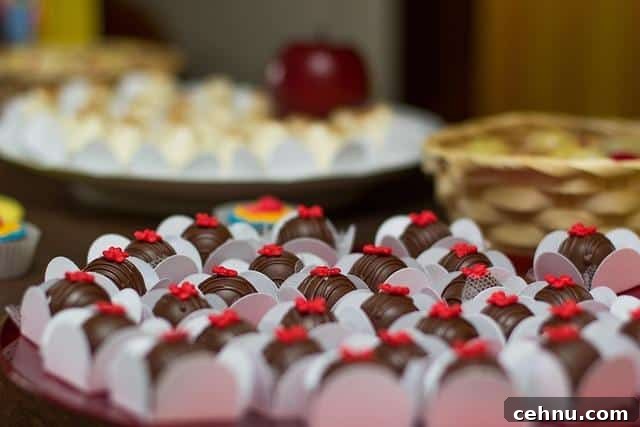
While cake remains a classic centerpiece, leaning on it alone leaves the dessert table feeling incomplete. The most memorable birthday spreads include a secondary set of sweets — items that guests didn’t plan on but are delighted to find. Chocolate trays, mini pastries, or bite-sized confections draw attention because they feel low commitment but indulgent.
A simple box or tray of assorted chocolates solves a common party problem. Not everyone wants a full slice of cake after a meal, but many will reach for a single piece of chocolate. These small offerings are easy to share, add variety to the dessert selection, and keep guests returning to the table without effort. Including a range of textures and flavors among small desserts makes the dessert course feel curated rather than routine.
The Comeback Of Finger Foods
There was a time when well-crafted finger foods dominated celebration menus. Over the years, they were often replaced by larger, simpler items that are easier to prepare but less memorable. Bringing back small, well-seasoned bites shifts the energy immediately: guests feel free to mingle without being tied to a plate, and the event becomes naturally more social.
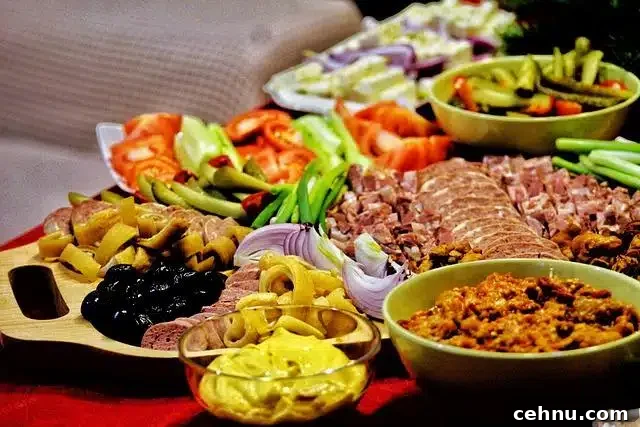
Mini sliders, stuffed mushrooms, skewered bites, and similar handheld options disappear fast because they’re easy to grab and easy to justify going back for. Smaller portions encourage tasting rather than committing, creating the sense of abundance hosts want without requiring a huge spread. Thoughtful finger foods also let hosts showcase variety without a heavy workload.
Chocolate As A Centerpiece
Chocolate doesn’t have to hide at the edge of the table. When you make it part of the visual display — layered on a tray, stacked attractively in a box, or artfully arranged across a table — it becomes a natural focal point. A striking chocolate display adds occasion and draws guests in without feeling forced.
In this role, chocolate changes the social dynamic. People gather around it, compare bites, and chat about their selections. It becomes more than just taste; it becomes a small communal ritual that keeps the table lively throughout the evening. Guests will return repeatedly, not out of hunger, but because the chocolate display has become part of the party’s rhythm.
Making Space For Everyone
Party food doesn’t have to be complicated, but it should feel inclusive. When guests can approach the table and instantly spot something for them, it removes hesitation and makes the experience smoother. Variety matters more than sheer quantity: a few well-chosen options that accommodate different needs are more effective than one large, limited selection.
Including gluten-free appetizers and other accessible choices is a small adjustment that makes a big difference. These options don’t need to be isolated or announced; a few naturally integrated choices — roasted vegetable skewers, cheese-based bites, or simple protein options — let everyone grab something without feeling singled out. The goal is seamless inclusion so guests can enjoy the party without second-guessing.
Balancing Sweet And Savory
A well-balanced party table moves between sweet and savory in ways that feel natural. When a spread leans too far in one direction, interest can fade quickly. Salty, savory bites reset the palate after a sweet morsel, and a touch of sweetness satisfies after a bold savory choice. This simple rhythm keeps guests exploring the table throughout the event.
Alternating flavors — crunchy and soft, salty and sweet, rich and light — increases variety without complexity. Guests will often switch between types without noticing, which keeps the table active and engaging rather than becoming an afterthought once the initial plates are gone.
Why Variety Changes Everything
Variety doesn’t mean overwhelming the table or turning the home into a catering showcase. It’s about selecting a handful of intentional items instead of defaulting to the same predictable choices. When guests see a mix of options that feel thoughtfully chosen, they sense that the host invested care into the experience, even if preparation was simple.
That kind of consideration changes how people engage: they stay longer, talk about the food unprompted, and leave with a stronger memory of the event. The most effective spreads are those that prioritize approachable, shareable items and a few inspired touches that feel celebratory rather than extravagant.
A Better Kind Of Birthday Table
The difference between a forgettable spread and one people genuinely enjoy often comes down to a few deliberate choices. A balanced mix of small bites, a thoughtful dessert arrangement, and a couple of inclusive options can transform how a party feels without making hosting harder. When the food is inviting instead of predictable, the rest of the gathering tends to fall into place more naturally.