This post is sponsored by Merial, a world-leading animal health company providing a comprehensive range of products to enhance the health and well-being of pets. All opinions are my own. Please see below for additional disclosure.
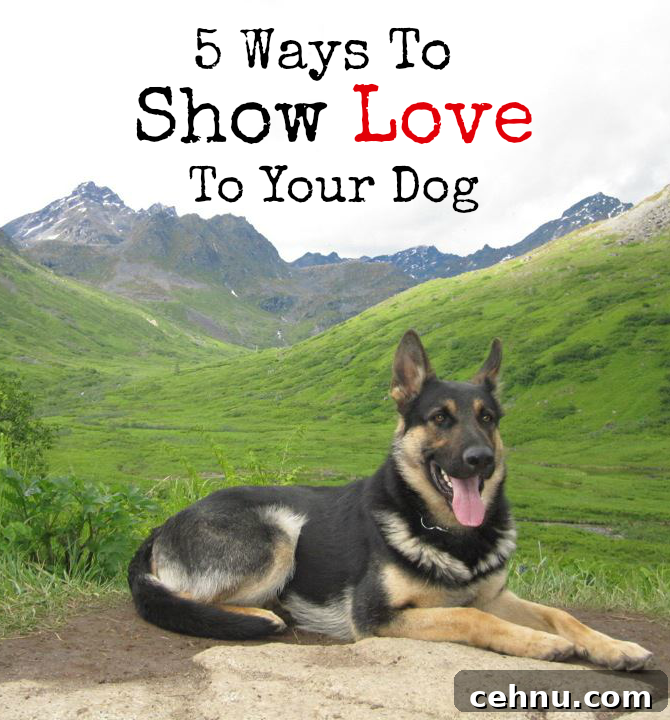
I can’t imagine life without our dog. “Bear” has been part of our family for more than six years and still behaves like a puppy—attempting to curl up in my lap despite weighing over 70 pounds. He’s affectionate, loyal, and always ready for an adventure.
Bear loves car rides, family hikes, and camping trips. He makes outings more enjoyable and gives us peace of mind as a trained family protection dog. While Bear protects our family, we’re responsible for his care. We love him, and he shows that love back every day.
Owning a dog is one of the most rewarding experiences, but it comes with responsibilities. Dogs need daily care, a safe environment, and consistent attention. As you learn your dog’s personality, you’ll discover the best ways to keep them happy and healthy. Here are five practical ways to show love to your dog, each focused on long-term well-being and strong bonding.
Five Ways To Show Love To Your Dog
1. Train your dog. Training provides structure and helps prevent common behavioral problems like jumping, chewing, and excessive barking. Start basic obedience training early, and practice consistently. Teaching commands such as sit, stay, come, and leave it improves safety and communication. For working breeds or dogs with specific roles, consider formal training programs or working dog sports that channel energy into constructive tasks.
Bear began Schutzhund-style training when he was a few months old, and the entire family participated. The process required persistence and patience, but watching him gain confidence and learn protection and obedience skills was incredibly rewarding.

2. Feed your dog nutritious food. A balanced diet supports healthy weight, energy levels, and coat condition. Some dogs have special dietary needs due to allergies, age, or medical conditions—your veterinarian can recommend the right food and feeding schedule. Monitor portion sizes and body condition to keep your dog at a healthy weight; obesity can reduce quality of life and lead to health problems.
Our vet has helped us choose food that keeps Bear at a healthy weight—around 72 pounds—and maintains a shiny, healthy coat. Consistent feeding routines and quality nutrition make a big difference in overall well-being.
3. Exercise and play with your dog. Daily physical activity is essential. Different breeds and individual dogs have varying exercise requirements, but most benefit from regular walks, play sessions, and mental stimulation. Games like fetch, tug, and scent work stimulate both body and mind. Off-leash exploration in safe areas lets dogs use their natural instincts and burn energy.
I often take Bear on both on-leash and off-leash walks. He loves to sniff and investigate, and socializing at parks gives him positive interactions with people and other dogs. Regular activity keeps him calm at home and strengthens our bond.
4. Spend quality time together. Busy schedules can make it hard to give a dog focused attention, but consistent one-on-one time reinforces trust and affection. Simple activities include daily walks, brushing sessions, shared play, and including your dog in family outings. Letting dogs rest near family members, joining them on short errands when appropriate, and involving pets in safe activities all strengthen the human-animal bond.
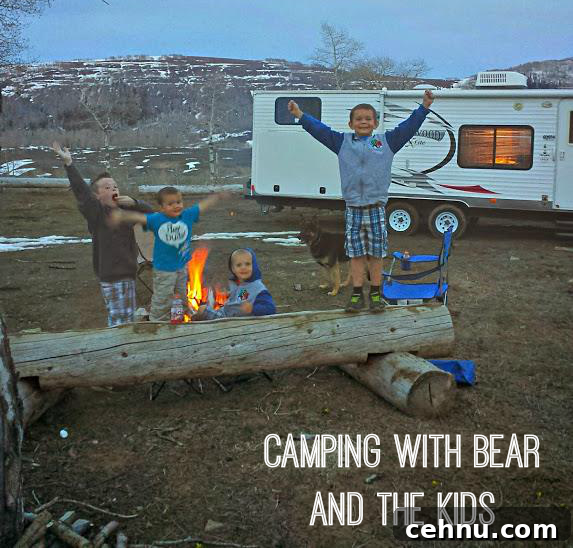
Our children play frequently with Bear in the yard, and we take him on trips when possible. He especially enjoys camping where he can explore new smells and terrain. Regular walks and playtime are good for both his physical condition and our family life.
5. Protect your dog from fleas and ticks. Fleas and ticks can cause irritation and transmit disease, so prevention is important. Discuss vet-recommended options for flea and tick protection with your veterinarian. Some products are available by prescription and should be used as directed to keep your dog protected year-round.
Our veterinarian recommends NexGard (afoxolaner) as one option for monthly flea and tick protection. NexGard chewables are palatable for many dogs and are prescribed by veterinarians. Talk to your veterinarian about whether a specific product is appropriate for your dog and about any available offers or programs through your clinic.
Do you have a dog? How do you show love to your dog? What are your dog’s favorite activities? Have you discussed flea and tick protection with your veterinarian?
IMPORTANT SAFETY INFORMATION
NexGard is for use in dogs only. The most frequently reported adverse reactions include vomiting, dry or flaky skin, diarrhea, lethargy, and decreased appetite. The safe use of NexGard in pregnant, breeding, or lactating dogs has not been evaluated. Use with caution in dogs with a history of seizures. For complete prescribing information and safety details, ask your veterinarian.
®NexGard is a registered trademark of Merial. ©2015 Merial, Inc., Duluth, GA. All rights reserved.
This is a sponsored conversation written by me on behalf of Merial, the maker of NexGard. As part of the sponsorship, I received compensation for my time. The opinions and text are my own.