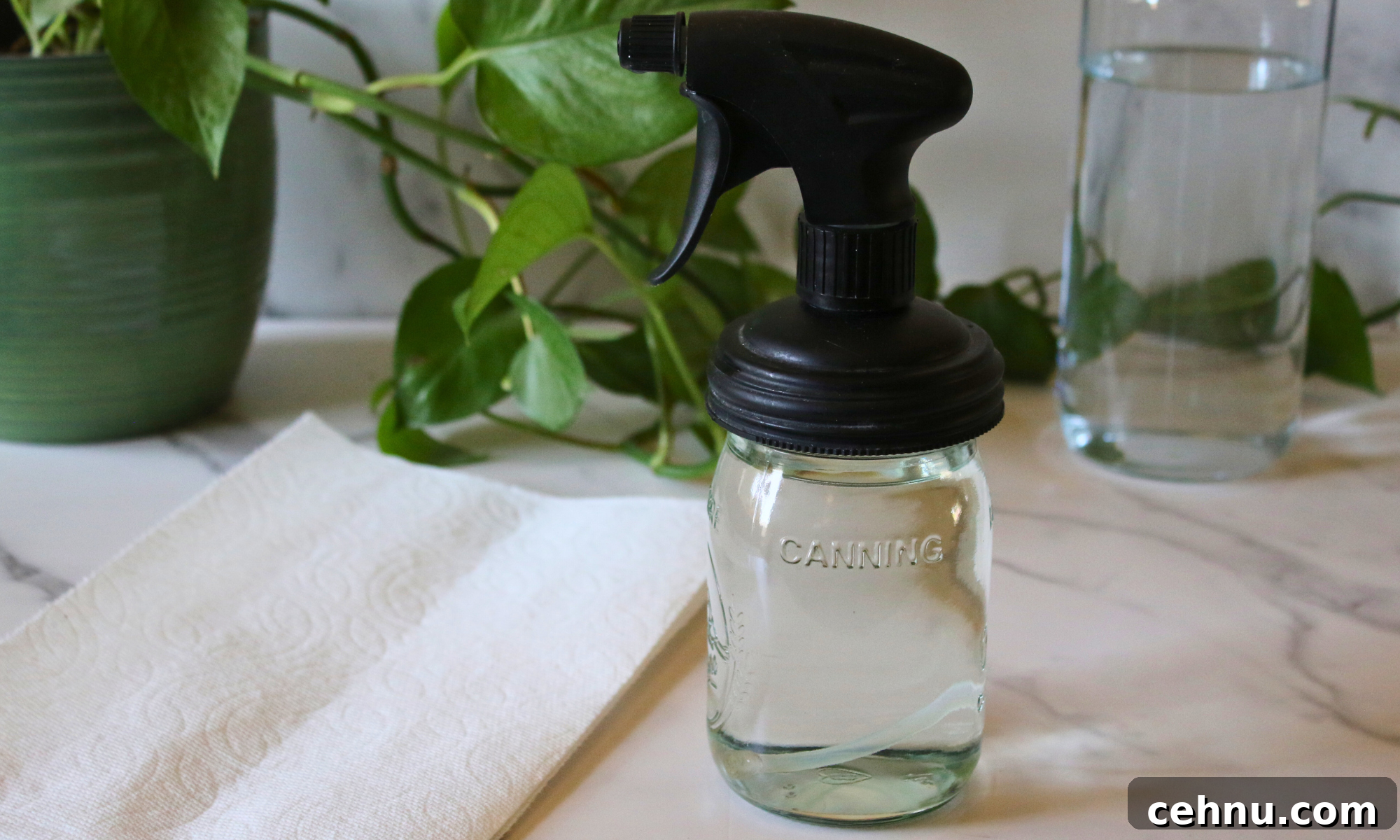
Whether you’re removing toothpaste splatter from bathroom mirrors or giving your home’s windows a seasonal refresh, this easy homemade window cleaner delivers clear, streak-free glass without harsh chemicals. It uses simple pantry ingredients and works quickly — perfect for regular upkeep or quick touch-ups.
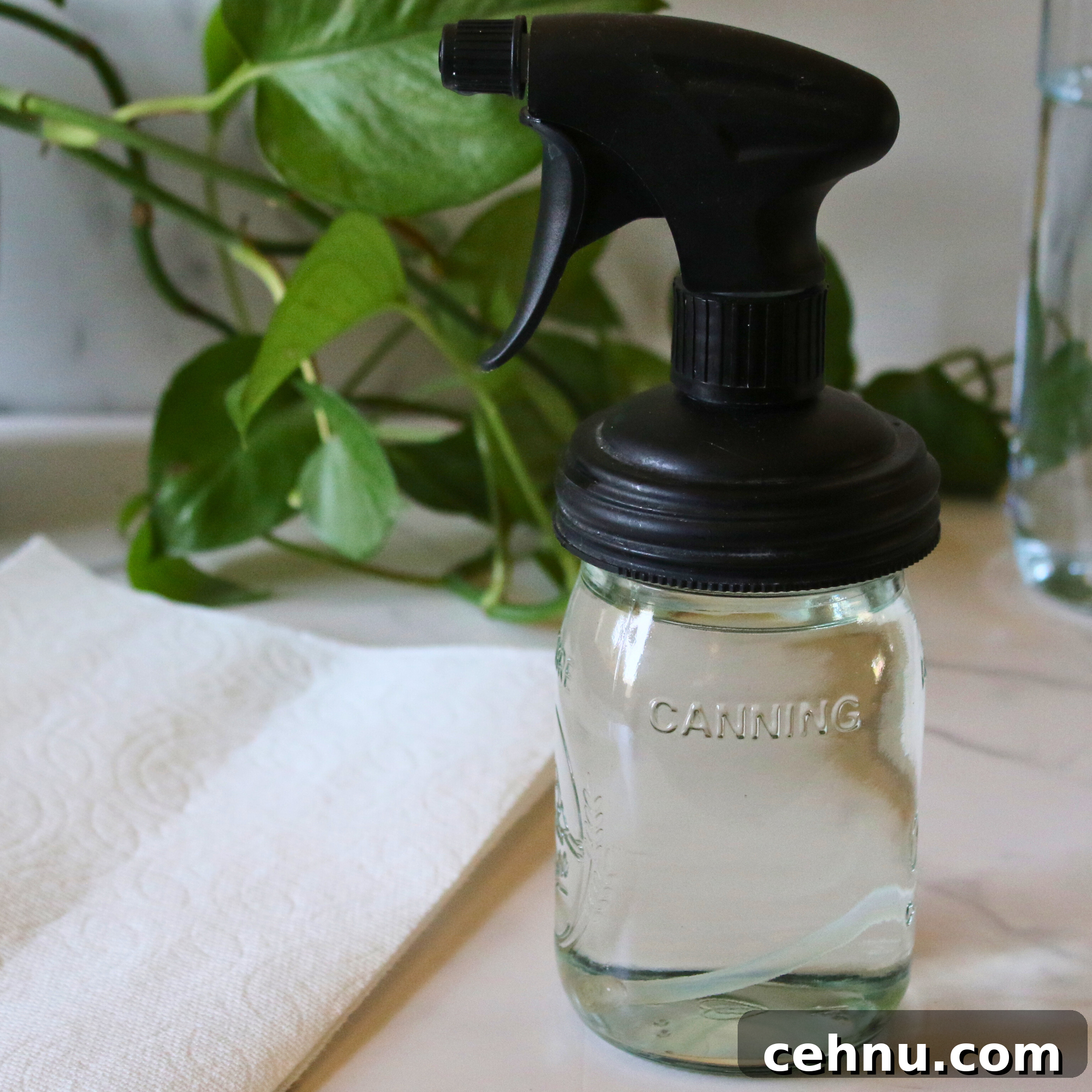
If store-bought glass cleaners leave you bothered by strong scents or unsure about ingredients, a two-ingredient DIY glass spray is a great alternative. This simple formula combines isopropyl (rubbing) alcohol and distilled water for fast-drying, streak-free results. You can also add a few drops of essential oil for a pleasant aroma. Most of the materials are likely already in your home, and the mixture is inexpensive to make.
How To Make Homemade Window Cleaner
For a reliable, streak-free glass cleaner, gather the following:
- 1 cup distilled water
- 1 cup 70% isopropyl alcohol (rubbing alcohol)
- Optional: 5–10 drops of essential oil (lemon, lavender, or eucalyptus)
- 1 empty spray bottle (glass is preferred)
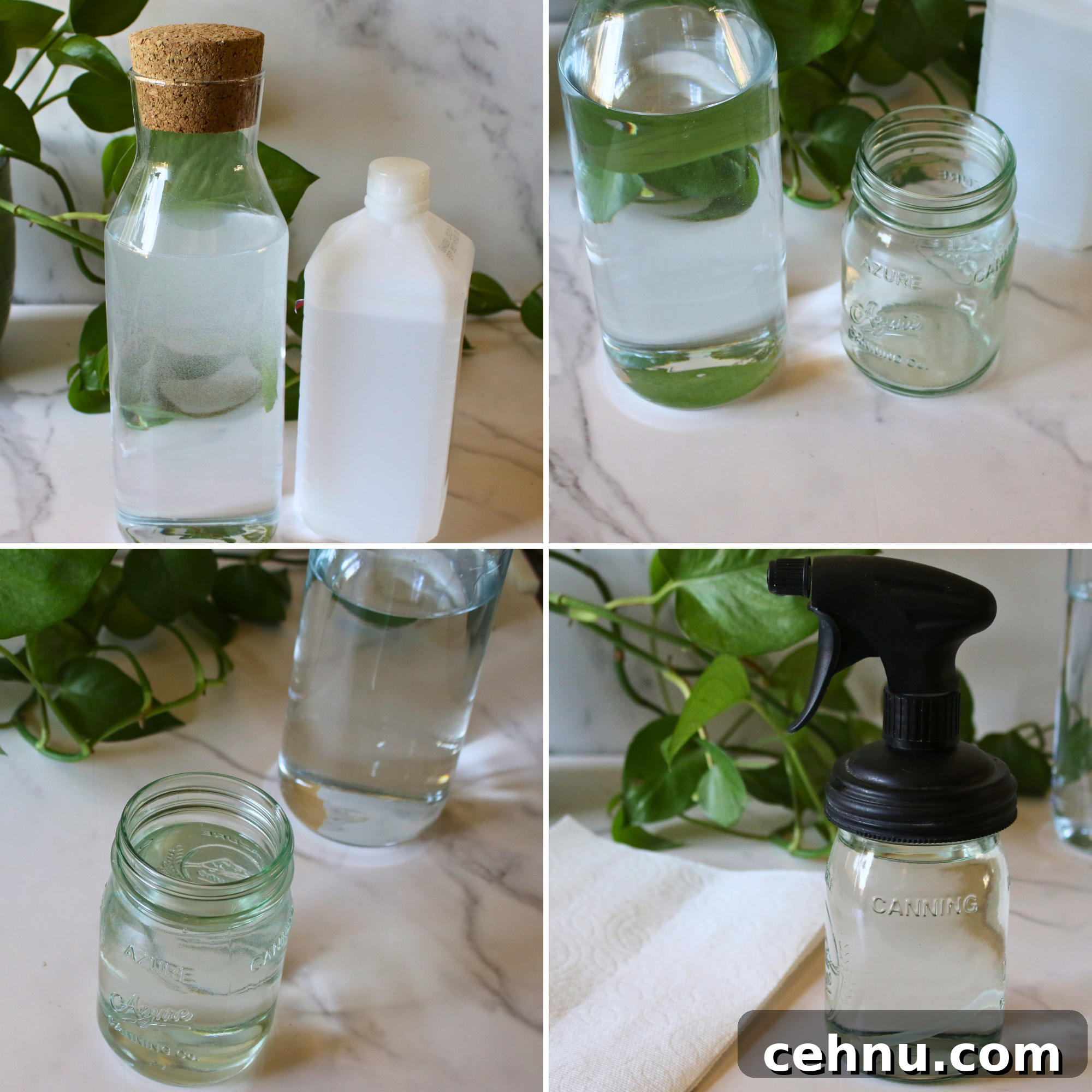
Combine 1 cup of distilled water with 1 cup of 70% isopropyl alcohol in a measuring cup or bowl. If you choose to use essential oil for scent, add 5–10 drops and stir. Pour the mixture into a clean spray bottle and secure the nozzle. Shake gently before each use to ensure the ingredients are mixed.
How to Use Homemade Window Cleaner
Follow these steps for the best, streak-free finish:
- Dust first. Wipe away loose dust or pet hair with a dry, lint-free cloth. Removing grit prevents smearing and makes the cleaner more effective.
- Spray evenly. Mist the glass lightly and evenly — you don’t need to soak it.
- Let it sit briefly. Wait 10–15 seconds to allow the alcohol to break down grime and dissolve residues.
- Wipe with microfiber. Use a clean microfiber cloth to wipe in a circular motion, then finish with vertical or horizontal strokes to remove streaks and polish the surface.
For large windows, work in sections and avoid cleaning in direct sunlight, which can cause the solution to dry too fast and leave marks. Use two cloths when possible: one for initial cleaning and a second dry cloth for final polishing.
Why This DIY Window Cleaner Works
The recipe relies on two simple components:
- Distilled water — free of minerals that can cause spots or streaks, especially important in areas with hard tap water.
- Isopropyl alcohol — a fast-evaporating solvent and disinfectant that dissolves grease and speeds drying for a streak-free finish.
Together they cut through fingerprints, grease, and everyday dirt while evaporating quickly to minimize water spots. Distilled water prevents mineral deposits on glass and mirrors, making it the preferred choice over tap water when available.
How to Customize This Recipe
Adjust the basic formula to suit your needs:
- Add essential oils. Lemon, lavender, or eucalyptus add a light, natural scent. Start with 5 drops and increase as desired.
- Use vinegar for extra degreasing. Replace part of the water with white vinegar for better grease-cutting power; be aware the vinegar odor fades as it dries.
- Swap witch hazel for alcohol. Witch hazel is a gentler alternative, though it won’t evaporate as quickly as isopropyl alcohol.
Suggested Mix Variations:
- Standard mix: 1 cup distilled water + 1 cup 70% isopropyl alcohol
- With vinegar: 1 cup water + ½ cup isopropyl alcohol + ½ cup white vinegar
- With essential oils: Add 5–10 drops of essential oil to any mix
Homemade Window Cleaner FAQ
Can I use tap water instead of distilled?
Yes, tap water will work in a pinch. However, distilled water is recommended to avoid mineral deposits that can create spots or streaks, especially in hard-water areas.
Is this safe for tinted windows or car windows?
Many people use this cleaner on home and car glass, but always check the manufacturer’s recommendations for tinted or treated glass. Some tint films may be sensitive to alcohol-based products. Test a small, inconspicuous area first.
Does this cleaner disinfect, too?
Yes. The isopropyl alcohol in the mix has disinfectant properties, making this solution useful for mirrors and frequently touched glass surfaces. It’s not a replacement for disinfectants designed for heavy contamination, but it does add hygiene benefits to regular cleaning.
Can I store this long-term?
Stored in a tightly sealed bottle and kept in a cool, dark place, this cleaner will remain effective for months. Clearly label the bottle and keep it out of reach of children and pets. Shake gently before each use to remix any separated ingredients.
Related
- DIY Natural Grout Cleaner
- DIY Oven Cleaner Paste
- DIY Granite Cleaner
- Homemade All Purpose Cleaner Recipe
- DIY Degreaser Spray
- DIY Dish Soap Bar (Solid Dish Soap)
Whether you’re tackling grimy bathroom mirrors or giving your windows a seasonal refresh, this simple homemade window cleaner gets the job done—no fancy chemicals required.
- Author: Tiffany Pelkey
Ingredients
- 1 empty spray bottle (glass or plastic)
- 1 cup distilled water
- 1 cup 70% isopropyl alcohol
- (Optional) 5–10 drops essential oil
Instructions
- Combine ingredients: In a measuring cup, mix 1 cup distilled water and 1 cup 70% isopropyl alcohol. Add essential oils if desired.
- Pour into a spray bottle: Use a funnel to avoid spills and secure the spray top.
- Shake gently: Give the bottle a quick shake before each use to ensure an even mix.
Notes
Tips: Use microfiber cloths for the best, lint-free finish. Avoid cleaning in direct sunlight to prevent quick drying and streaks. Test any new mixture on a small area if you’re concerned about sensitive surfaces or window tints. Never ingest the solution and keep it clearly labeled and out of reach of children.