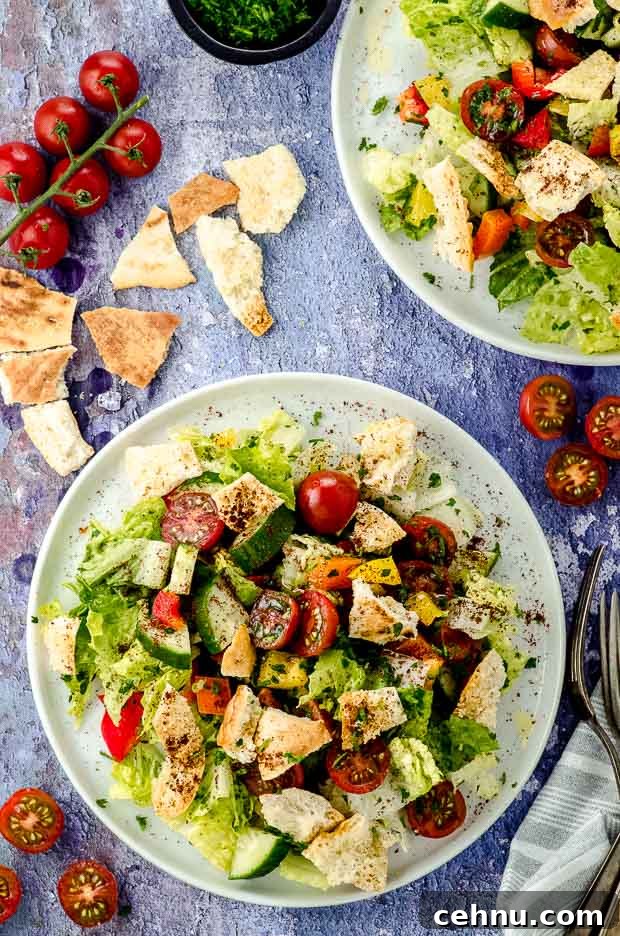
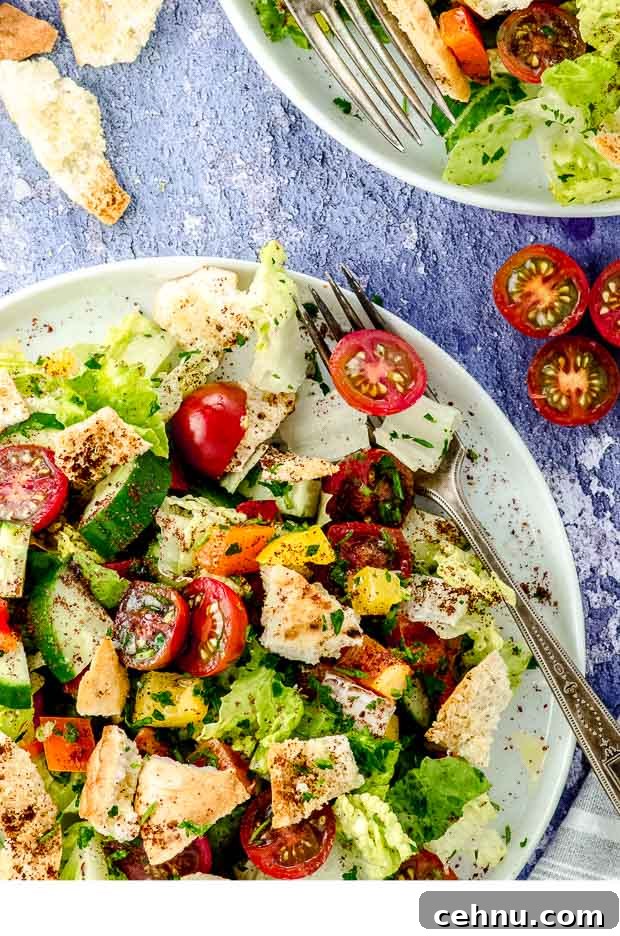
Fattoush is a classic Lebanese bread salad featuring crisp lettuce, ripe tomatoes, cucumbers, colorful bell peppers, fresh herbs and crunchy pita croutons, all dressed in a bright lemon-and-olive-oil dressing.
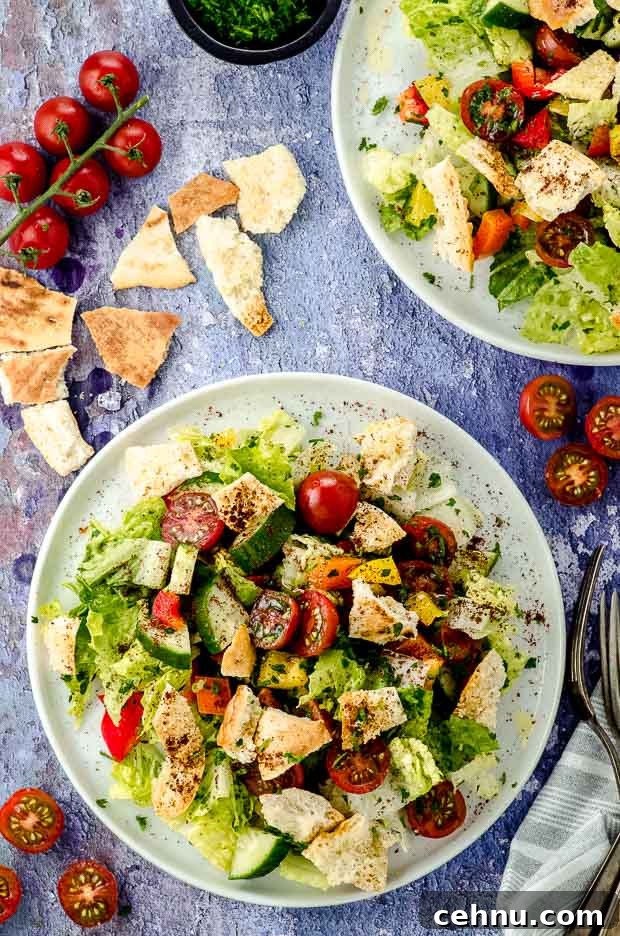
Our Fattoush salad recipe is straightforward and full of fresh flavors. Raised in a Jewish Lebanese household in Barcelona, we grew up with many Middle Eastern favorites, and Fattoush remains one of the most refreshing and versatile salads from our childhood.
What is Fattoush?
Fattoush is a fresh chopped salad that highlights seasonal vegetables and herbs, finished with crisp pita pieces. The name comes from the Arabic word “fatteh,” which means crumbs, reflecting the traditional use of leftover pita bread transformed into crunchy croutons. This salad combines vibrant textures and tangy notes that make it an excellent starter or side.
The essential elements are crunchy pita, fresh greens, tomatoes, cucumbers, bell peppers and plenty of parsley and mint. Sumac, a lemony red spice, adds the distinctive tang that defines many Lebanese salads.
How to Make the Pita Croutons for Fattoush
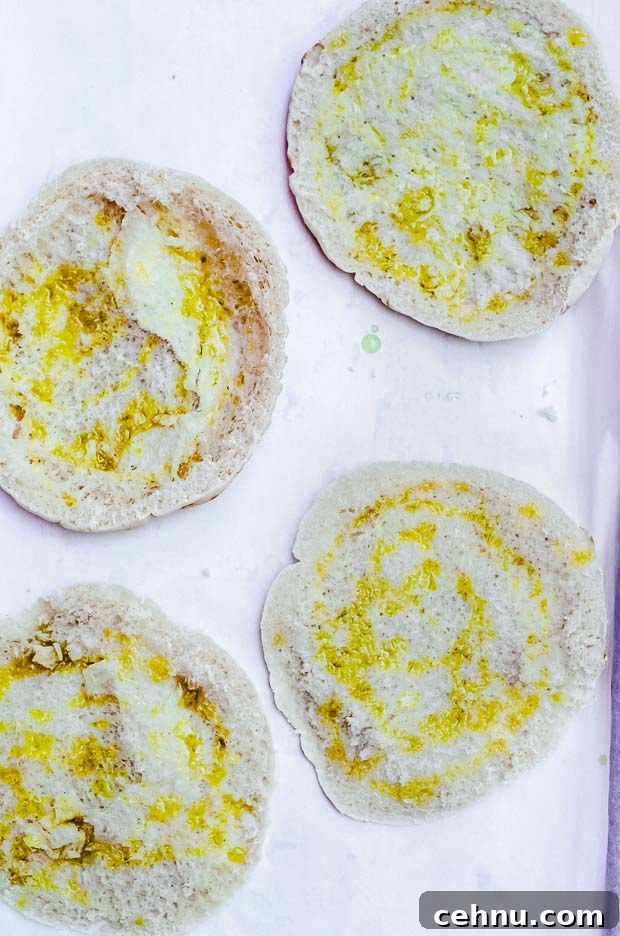
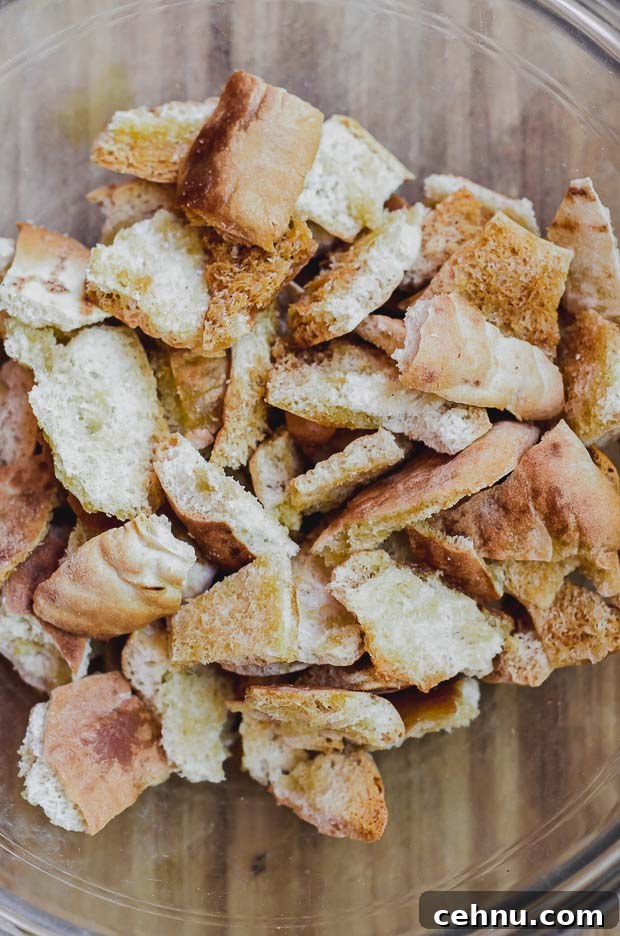
Traditionally, pita for Fattoush is fried, but a lighter and equally delicious method is to bake the pita until crisp. The goal is golden, crunchy pita pieces that hold up when tossed with the salad and dressing.
Split pita pockets in half, brush or drizzle with olive oil, sprinkle lightly with salt, and bake at 375°F (190°C) for 15–20 minutes until golden. Allow the pita to cool so it crisps up further, then break into bite-sized pieces just before serving to keep them crunchy.
How to Make the Best Fattoush
To keep the pita pieces crunchy, add the dressing only at the last moment. You can prepare and store the chopped vegetables and the baked pita separately in airtight containers in the refrigerator for up to two days.
- Bake the pita croutons until crisp.
- Chop all vegetables into bite-sized pieces.
- Combine lettuce, vegetables, herbs and seasonings in a large bowl.
- Just before serving, add the pita croutons, toss with dressing, and serve immediately.
Fattoush Salad Dressing
The dressing for Fattoush should be simple and bright: good-quality olive oil, freshly squeezed lemon juice and salt. Whisk these together and toss with the salad at the last minute. For a slightly sweeter, deeper note, a small drizzle of pomegranate molasses can be added to the dressing.
Fattoush Ingredients
Use the freshest produce you can find: vibrant vegetables and fragrant herbs make this salad sing.
- Pita pockets: baked or fried into croutons; homemade pita croutons are best.
- Extra virgin olive oil: for the dressing and for brushing the pita.
- Romaine lettuce hearts: for crispness (iceberg works in a pinch).
- Cucumber: English or Persian, diced.
- Bell peppers: a mix of yellow, red and orange for color and crunch.
- Tomatoes: ripe, juicy tomatoes or cherry/grape tomatoes when out of season.
- Parsley and mint: fresh herbs are essential; dried herbs won’t give the same result.
- Sumac: a tangy red spice that lends an unmistakable lemony note—key to authentic flavor.
- Dressing: olive oil, lemon juice and salt.
FAQ
What is sumac?
Sumac is a tangy, lemon-like spice made by grinding dried sumac berries. It adds bright acidity and a slightly fruity tartness that complements the lemon and olive oil in Fattoush. If you haven’t used sumac before, try sprinkling a little directly over the salad for the most noticeable effect.
Where can I buy sumac?
Sumac is increasingly available in regular grocery stores and is commonly found in Middle Eastern markets. If it’s not in your local spice aisle, check specialty food shops or well-stocked supermarkets.
Can I put sumac in the dressing?
You can mix sumac into the dressing, but adding some directly to the chopped salad helps the spice cling to the vegetables, giving a more even flavor distribution. Mixing only into oil may leave flavor trapped on the container sides.
What else can I add to Fattoush?
- Green onions or scallions
- Radishes for peppery crunch
- Red onion, thinly sliced
- Crushed garlic (sparingly)
- Feta cheese for a creamy, salty contrast
- Pomegranate molasses for sweet-tart depth
What to Serve with Fattoush
- Homemade hummus
- Baked or fried falafel
- Grilled vegetables or skewers
- Roasted chickpeas or spiced potatoes
- Flatbreads and mezze plates
Other Middle Eastern Recipes
- Watermelon and feta salad
- Tabbouleh (tabouli) salad
- Deconstructed hummus
- Cheese sambousek
- Maamoul cookies
- Knafeh and other desserts
Did you like this Fattoush Salad? Leave a comment or rating and share your variations. Try making the pita croutons at home and experiment with different herbs and the amount of sumac to find your preferred balance.
Recipe: Fattoush – Lebanese Bread Salad
Ingredients
- 2 pita pockets
- 6 tsp extra virgin olive oil to drizzle on the pita (1½ tsp per half pita)
- ⅛ tsp salt for the pita bread
- 2 romaine lettuce hearts, shredded
- 1 large English cucumber, diced (or 4 Persian cucumbers)
- ½ large yellow bell pepper, diced
- ½ large red bell pepper, diced
- ½ large orange bell pepper, diced
- 2 medium tomatoes, diced (or 1 pint grape tomatoes, halved)
- 1 small bunch parsley, chopped
- 1 small bunch fresh mint, chopped (optional)
- 2 tbsp sumac
- ¼ cup olive oil (or more to taste)
- ⅓ cup freshly squeezed lemon juice (or to taste)
- Salt to taste (about 1 tsp used here)
Instructions
- Preheat the oven to 375°F (190°C). Separate each pita pocket into two halves, place on a baking sheet, drizzle about 1½ tsp olive oil on each half and sprinkle with ⅛ tsp salt.
- Bake 15–20 minutes until golden and crisp. Watch the thinner halves closely to avoid burning. Let cool completely so they become crunchier.
- In a large bowl, combine shredded lettuce, cucumber, diced peppers, tomatoes, parsley, mint (if using), sumac and a pinch of salt.
- Just before serving, break the toasted pita into bite-sized pieces and scatter over the salad. Add lemon juice and olive oil, toss gently and serve immediately.
Nutrition
- Serving size: 1½ cups
- Calories: ~174
- Fat: ~10.6 g
- Carbohydrates: ~18.5 g
- Fiber: ~5.2 g
- Protein: ~4.3 g